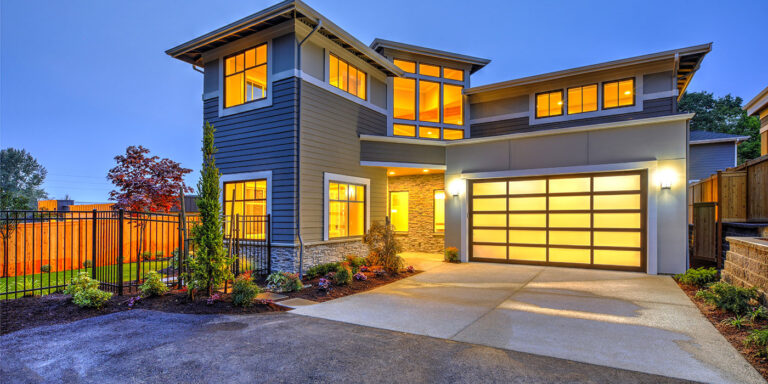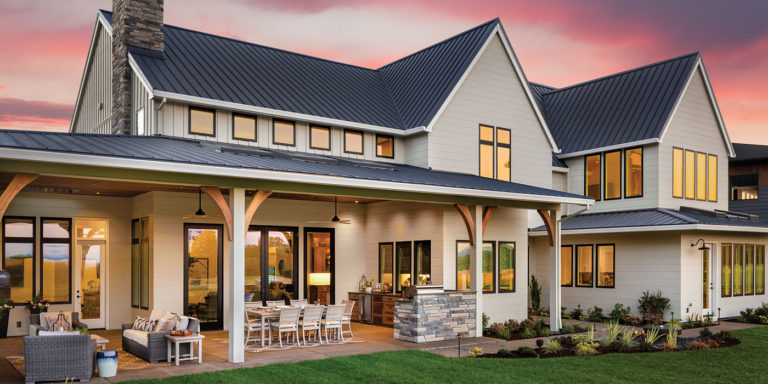
Exterior and interior design across Canadian homes are embracing natural light, architectural contrast and a stronger connection to the outdoors. While energy efficiency remains a top priority for homeowners, doors and windows are increasingly seen as defining design features that shape a home’s overall character.
From bold statement entryways to expansive glass installations that blur the line between indoor and outdoor living, today’s homeowners are looking for solutions that deliver both performance and visual impact. The result is a growing focus on doors and windows that feel intentional, customized and aligned with modern Canadian lifestyles.
Here are the top doors and windows trends shaping Canadian homes in 2026.
1. The “Pop of Colour” Statement Entryway
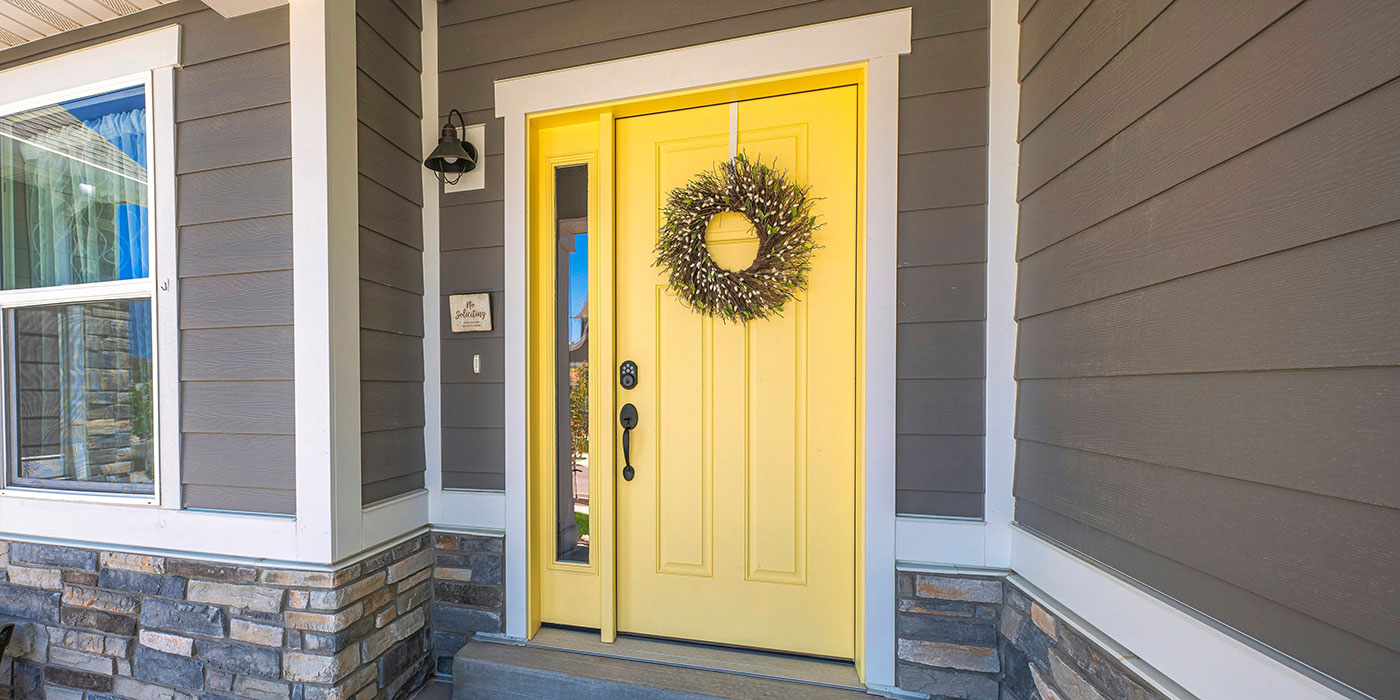
The front door is becoming one of the most expressive exterior design elements of the home. Rather than blending into the surrounding facade, homeowners are embracing bold colours that create a memorable first impression.
Deep navy blues, forest greens, warm mustard tones, and rich burgundies are gaining popularity as alternatives to traditional black, white, or stained finishes. These colours add personality while helping the entryway stand out against brick, stone, siding or natural exterior palettes.
This trend works particularly well in Canada, where seasonal changes create dramatic backdrops throughout the year. A vibrant front door can add warmth and character during snowy winters, while complementing lush landscapes during the warmer months.
Timber Tip
If you’re introducing a bold front door colour, keep the surrounding trim and siding neutral. This allows the door to become the focal point without competing with other exterior elements.
2. High-Contrast Dark Frames
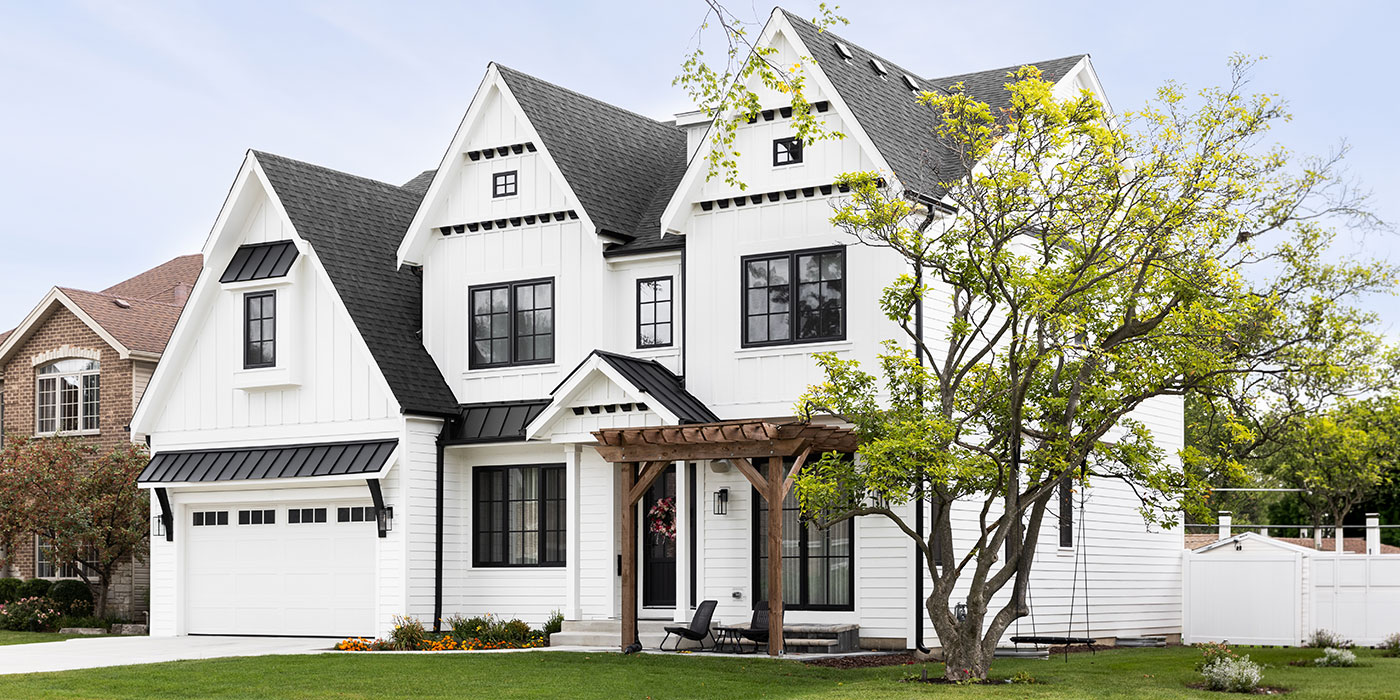
Black and dark charcoal window frames continue to dominate modern home design. Both inside and out, darker frames create sharp architectural lines that help define the overall aesthetic of the property.
Unlike traditional white frames that tend to disappear into the background, dark frames draw attention to the windows themselves. This creates a striking visual contrast against lighter siding, stone facades or interior wall finishes.
Many homeowners are also using dark frames to create a custom, high-end appearance. Large windows framed in black act almost like artwork, naturally drawing attention to outdoor views and surrounding landscapes.
Timber Tip
Dark window frames tend to stand out most on larger windows. If you’re only replacing a few windows at a time, prioritize the front elevation where the contrast will have the greatest visual impact.
3. Low-Maintenance Doors With Architectural Style
Natural materials continue to influence residential design, but homeowners are increasingly seeking alternatives that require less maintenance and greater long-term durability. As a result, high-performance fibreglass doors are becoming one of the most popular choices for modern Canadian homes.
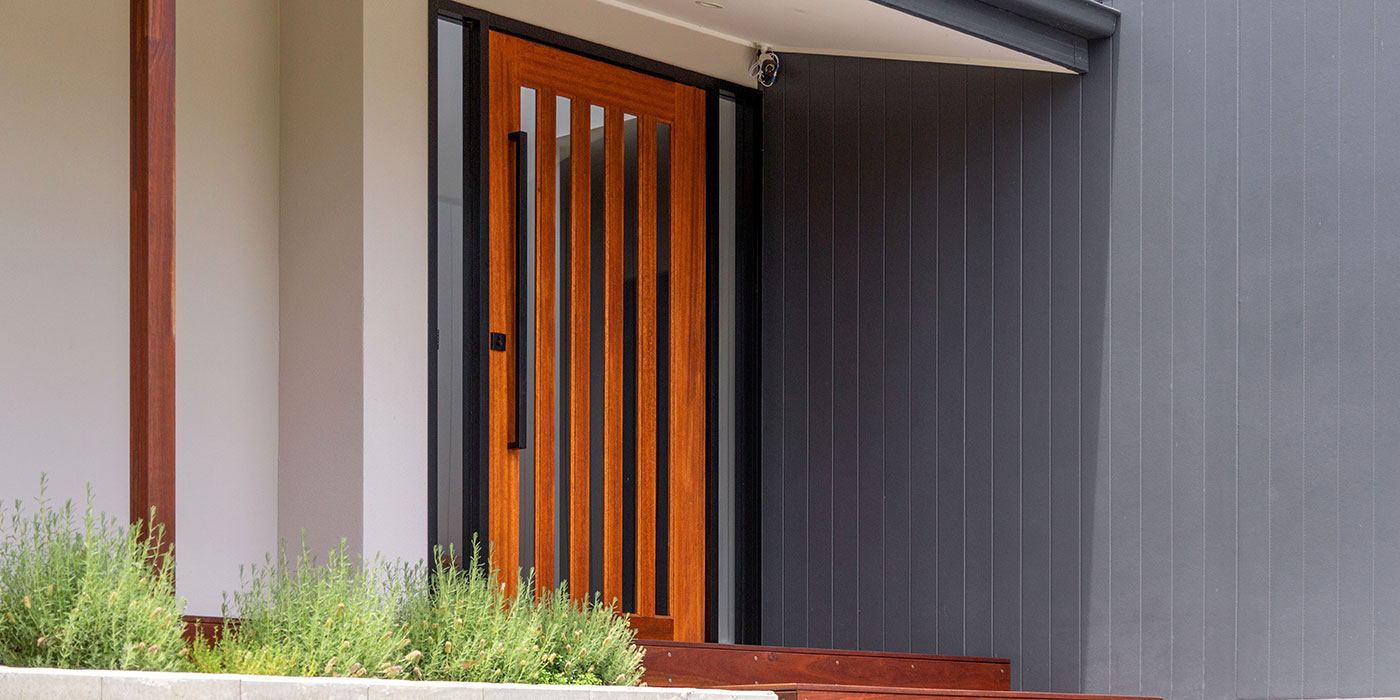
Today’s wood-look fibreglass doors closely replicate the warmth and texture of premium wood species like white oak, walnut and mahogany while offering superior resistance to warping, cracking, moisture and temperature fluctuations. Homeowners can achieve the appearance of natural wood without the ongoing upkeep often associated with traditional wood entry doors.
At the same time, design preferences are shifting toward cleaner, more architectural door styles. Flush-panel entry doors with smooth, uninterrupted surfaces are replacing ornate raised panels and decorative detailing. These minimalist designs create a sophisticated look that complements both contemporary and mid-century-inspired homes.
Whether finished in a realistic wood grain or painted in a bold statement colour, these streamlined door styles help create a custom appearance while maintaining the durability and low-maintenance benefits homeowners increasingly expect.
Timber Tip
When shopping, keep your home’s overall aesthetic in mind. It’s important to choose a low-maintenance door that complements your home’s aesthetics. Consider the lines created with the roofline, siding and stone veneer, and use the style of your door to pull it all together. Many door styles are available in a variety of colours (solid or wood tone), so choose your door’s colour to make a bold statement.
4. Maximized Light With Oversized Transoms and Sidelights
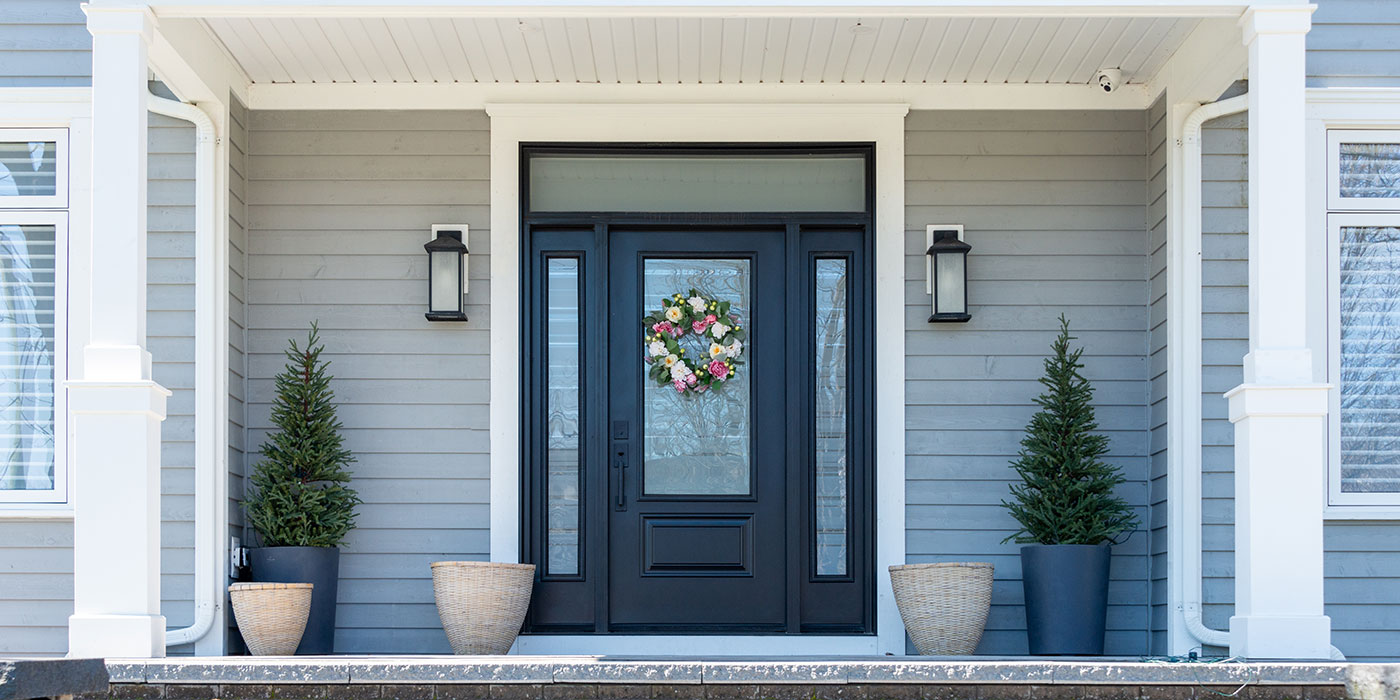
Natural light remains one of the most sought-after features in modern homes. To maximize daylight, homeowners are expanding the amount of glass surrounding entry doors through oversized transoms and extended sidelights.
Rather than treating the door as a standalone feature, designers are creating entire entry systems that stretch upward and outward with expansive glazing. This approach allows significantly more daylight to reach foyers, hallways and adjacent living spaces.
The result is an entrance that feels brighter, larger and more welcoming while creating a stronger visual connection between interior and exterior spaces.
Timber Tip
If privacy is a concern, consider textured, frosted, or decorative glass for sidelights and transoms. You’ll maintain natural light while reducing direct sightlines into the home.
5. Upgraded Patio Doors For Everyday Backyard Living
Canadian backyards continue to evolve into true extensions of the home, increasing demand for patio doors that support everyday indoor-outdoor living.
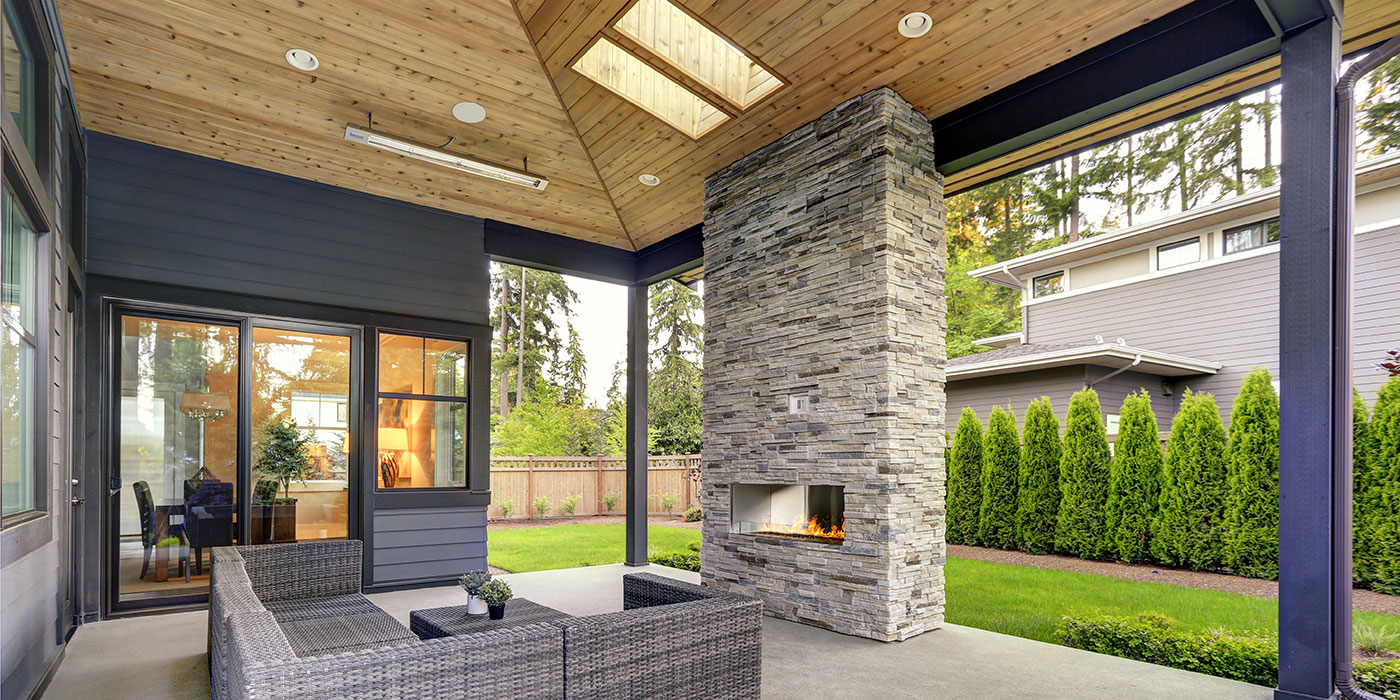
Many homeowners are replacing older sliding doors with wider contemporary systems that feature slimmer frames and larger glass panels. Elegant French doors also remain popular for those seeking a more traditional aesthetic.
These upgraded systems improve natural light, enhance backyard views and create smooth transitions between interior living areas and outdoor entertaining spaces. As outdoor kitchens, covered patios and backyard retreats become more common, the patio door is increasingly serving as a central architectural feature.
Timber Tip
Before selecting a patio door style, think about furniture placement and traffic flow. Wide-panel sliders require less clearance than swinging French doors and can maximize usable floor space.
6. Gridless Picture Windows
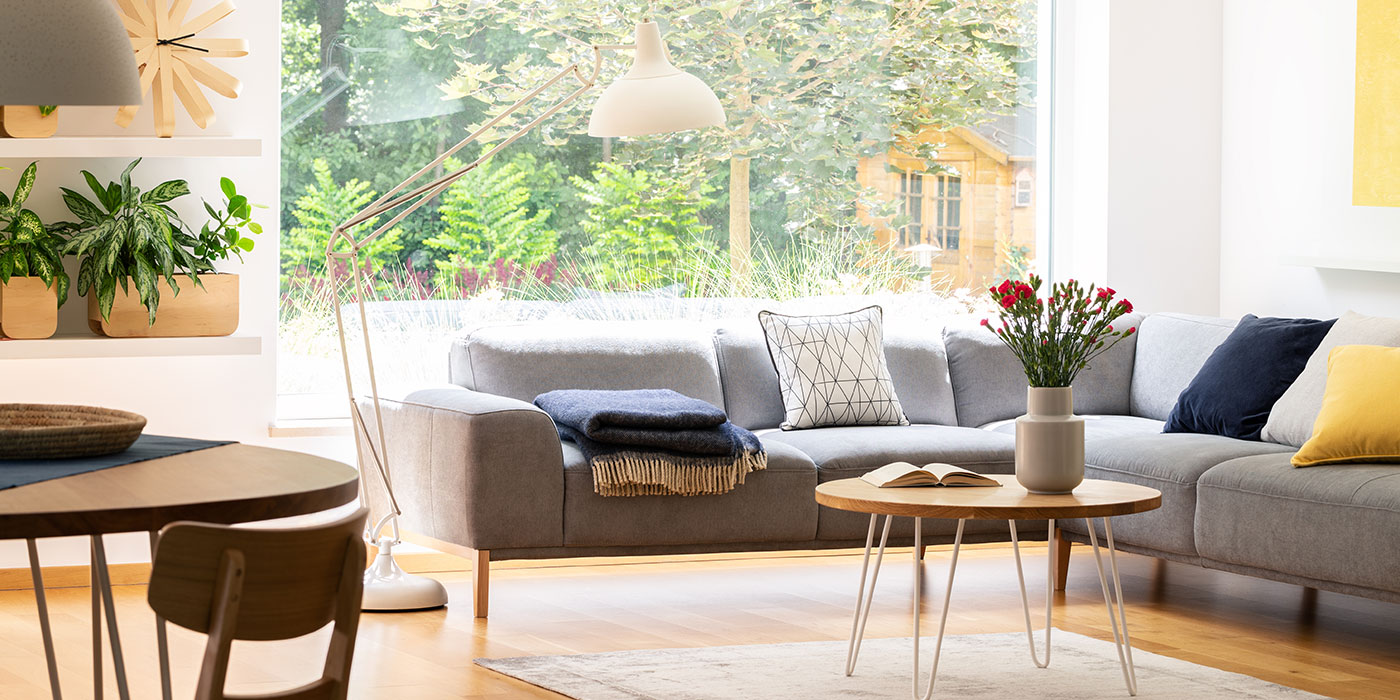
Large, uninterrupted glass surfaces are becoming a defining characteristic of modern residential design. Homeowners are increasingly replacing heavily divided or gridded windows with single-pane, expansive picture windows that maximize views.
Without visual interruptions, these windows create a cleaner appearance while allowing natural landscapes to become part of the home’s design. Whether overlooking a backyard, a ravine, a lake, or a city skyline, the view becomes a focal point.
This minimalist approach aligns particularly well with contemporary architecture, where simplicity and openness remain key design priorities.
Timber Tip
Large picture windows work best when positioned around your home’s strongest view. Even a modestly sized window can feel dramatic when it intentionally frames a landscape feature, a mature tree, or a backyard focal point.
7. Energy-Efficiency Windows
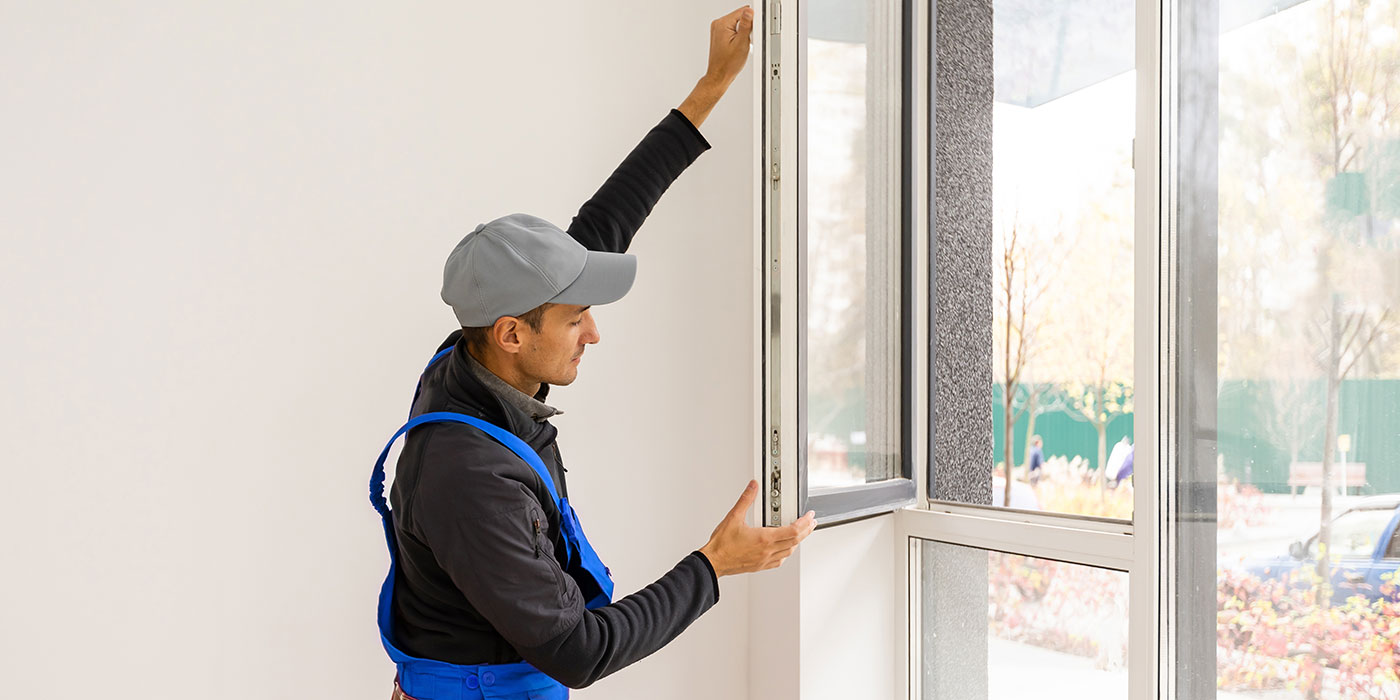
Energy efficiency remains one of the biggest priorities for Canadian homeowners, but today’s high-performance windows are proving that comfort and aesthetics no longer have to be competing goals. Advances in window technology are making it possible to create brighter, more open spaces without sacrificing thermal performance.
Modern window systems combine ultra-slim fibreglass or thermally broken aluminum frames with advanced triple-pane glass, invisible Low-E coatings, insulated spaces and argon gas fills. These innovations allow homeowners to install large windows and expansive picture glass while maintaining excellent insulation, reducing condensation and improving year-round comfort.
As homeowners become more informed about window performance, there is a growing interest in understanding what truly makes a window energy-efficient. Terms like U-Factor, Energy Rating (ER), thermal bridging and solar heat gain are becoming part of the purchasing conversation. Rather than focusing solely on appearance, homeowners are looking for products that will perform reliably through decades of Canadian winters, summer heat and seasonal temperature swings.
The result is a new generation of windows that can transform a drafty, energy-inefficient home into a quieter, more comfortable living environment while supporting the clean lines and expansive views that define modern design. Homeowners no longer have to settle for bulky frames or builder-grade aesthetics to achieve exceptional energy performance.
Timber Tip
When comparing energy-efficient windows, look beyond the glass itself. Frame construction, installation quality and overall performance rating often have just as much impact on comfort, condensation resistance and long-term energy savings as the glazing package.
As these trends continue to evolve, doors and windows are becoming far more than functional building components. They are increasingly shaping how Canadian homes look, feel and connect with the surrounding environment.