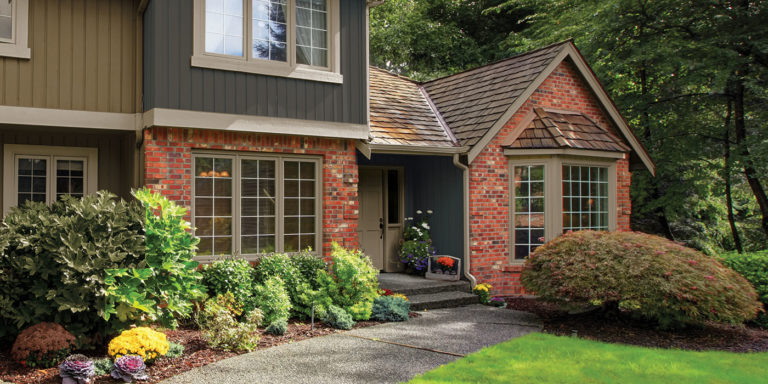
Century homes have a presence unlike that of many other home designs. Rooted in rich Canadian heritage, these homes were built before modern processes, resulting in a truly unique design and custom craftsmanship that is never fully duplicated between houses and are no longer the norm today.
From Farmhome Gothic details to Maritimes Saltbox silhouettes, their charm is rooted in complex rooflines, handcrafted geometry, and materials that have already stood the test of time. But today, without careful care and updates, these beautiful homes may be showing their age.
Instead of tearing down to rebuild, opt for strategic retrofits that preserve the home’s history while bringing a fresh, modern look to the exterior. Before you get started, make sure to check your local municipal or heritage regulations.
Here are five ways to modernize a century home without compromising its character or integrity.
1. Respect The Roof Geometry
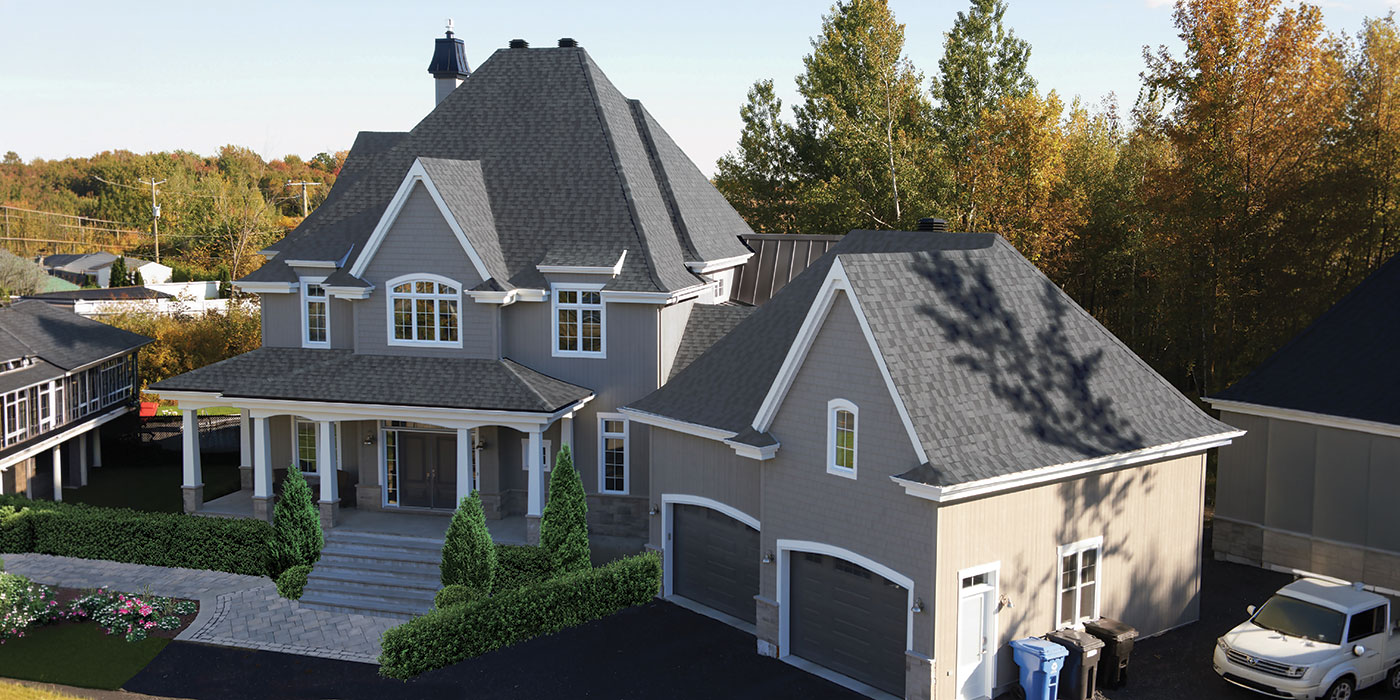
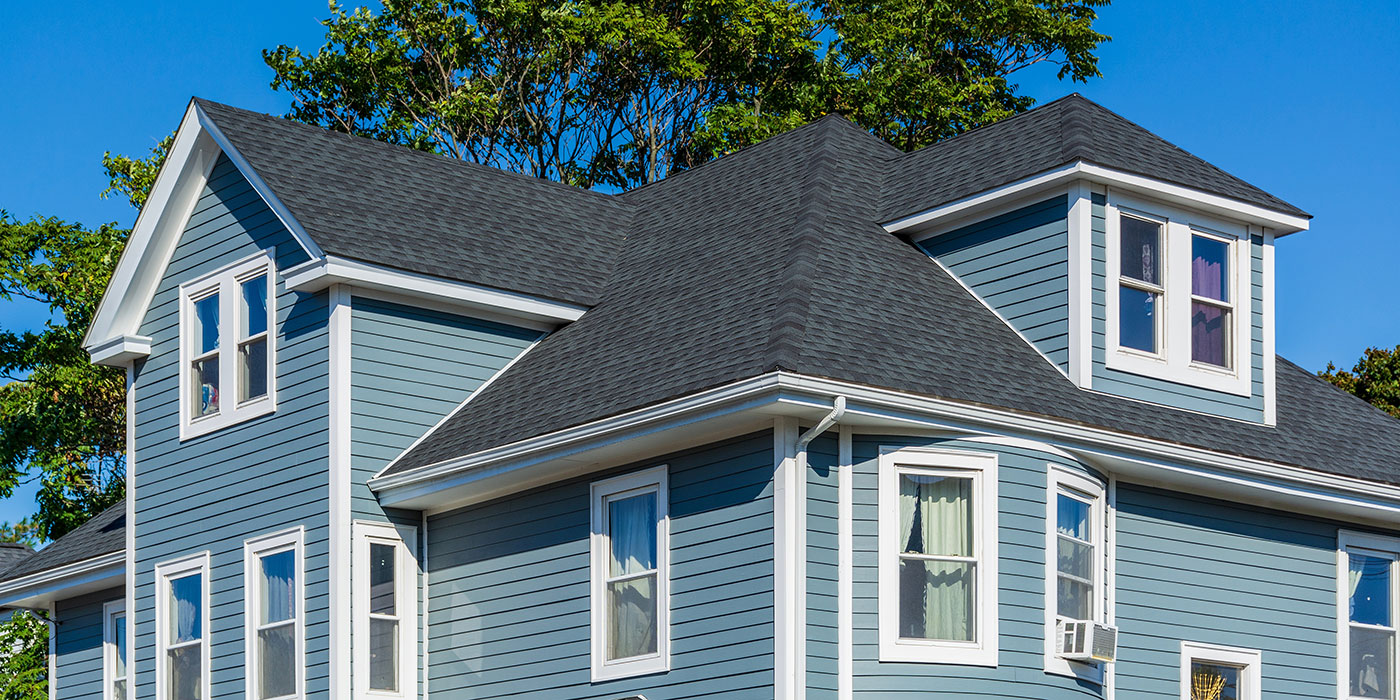
Century homes are often defined by their rooflines. Gables, valleys and dormers aren’t just aesthetic features; they’re also some of the most technically challenging areas to protect.
BP Signature Shingles are designed to flex and adapt across complex roof geometry while maintaining a dense, architectural profile. This allows them to be carefully installed through valleys and around dormers without losing visual consistency or weather protection.
The result is a roof that enhances a home’s original character while improving long-term durability, especially in high-exposure areas where snow, ice and rain tend to collect.
Timber Tip
When retrofitting your century home, shingles are often overlooked as a key element in the overall design. That couldn’t be farther from the truth. Basic shingles can significantly affect the home’s final look and feel. Opting for shingles that add character and dimension will preserve the home’s charm.
2. Seal The Most Vulnerable Transition Points
Dormers and roof intersections are where most retrofit failures begin. These are high-moisture zones where water is constantly working its way into small gaps.
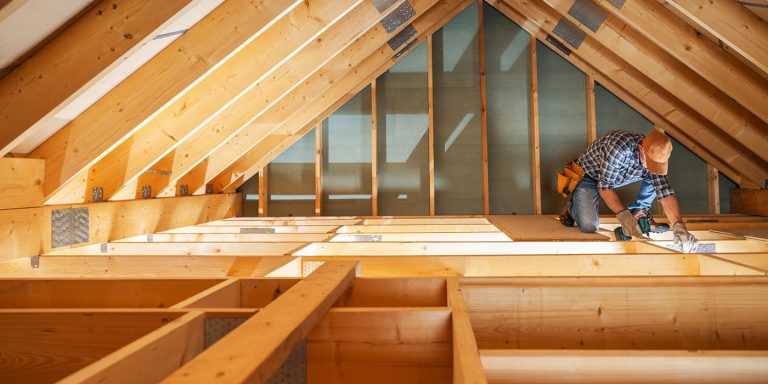
Although selecting quality shingles that can handle tight transitions without lifting or breaking seal integrity at valleys and intersections is essential, what lies underneath can make or break the upgrade.
Tuck NOVAFLASH is designed for these exact conditions, creating a high-adhesion, flexible moisture barrier that seals roof-to-wall junctions and other exposed transitions. Once applied, it acts as an invisible layer of protection against wind-driven rain and meltwater, delivering peace of mind for years to come.
Timber Tip
In older homes, where framing tolerances can vary, this added layer of defence becomes critical to long-term performance. Be sure to focus waterproofing efforts on dormers, valleys, and joints, as these are the first places moisture enters older structures.
3. Build An Exterior That Can Breathe
Century homes were not built with today’s modern understanding of energy efficiency and thermal comfort. In other words, they were not originally designed to be airtight.
Fortunately, today’s modern products are designed to increase your home’s thermal barrier, preventing heat loss during winter months and keeping cool air inside in the summer. However, without proper wrapping and consideration, retrofitting your older home with new siding can remove all moisture pathways, leading to internal condensation and decay.
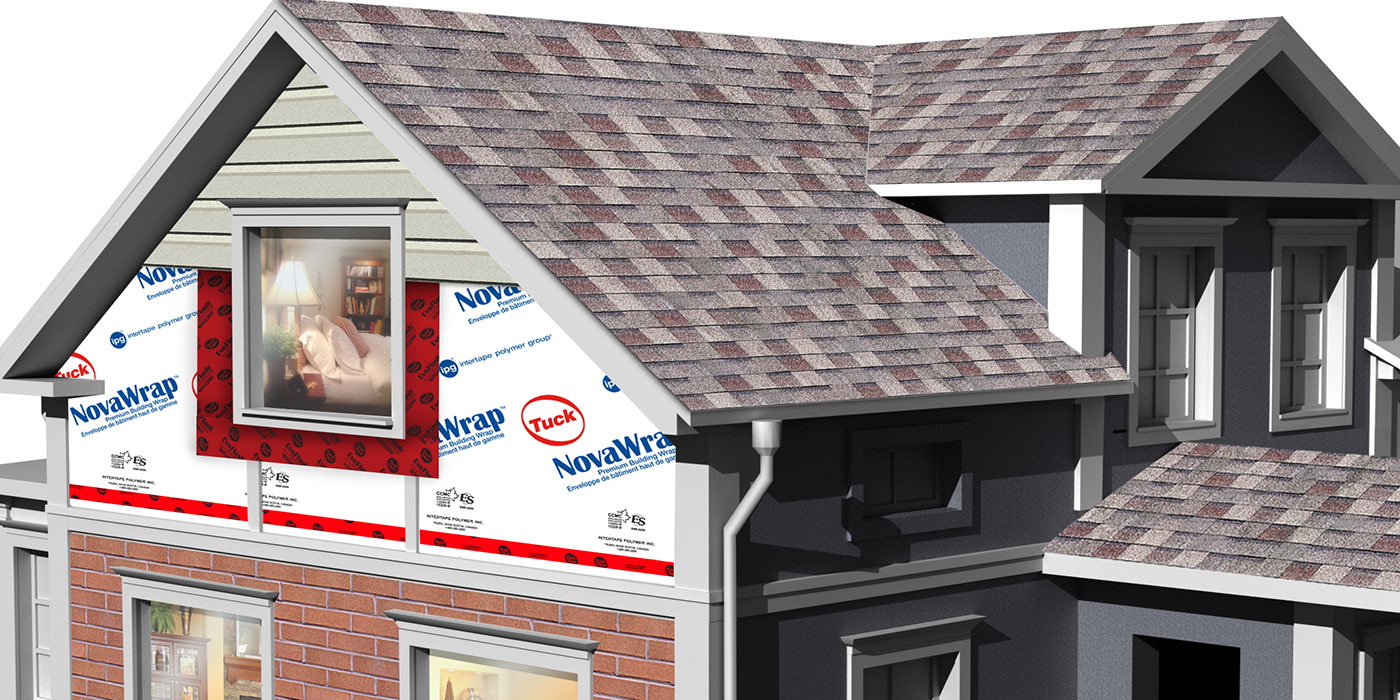
Tuck NOVAWRAP HOUSEWRAP helps achieve this balance by creating a protective barrier against wind and moisture while still allowing trapped vapour to escape outward. This breathability is essential in preventing moisture from becoming trapped within older wall assemblies. It improves comfort, reduces drafts, and helps stabilize the interior environment without compromising the home’s natural moisture management.
Timber Tip
In older homes, the quality and design of the siding is just as important as what’s underneath. Understanding the unique process of your home’s construction is essential to ensure that retrofits and home updates do more good than harm. From wrapping to shingles, wall systems need to not only block water from the core structure, but also allow vapour to escape.
4. Add Character With the Maibec Acenta Fastened Stone Veneer
Century homes are defined by their rich, tactile materials like rough brick, thick wood grain, or original stonework, so upgrading the siding with modern siding, clean lines, and rich colours can quickly overshadow the classic feel of the home’s structural design.
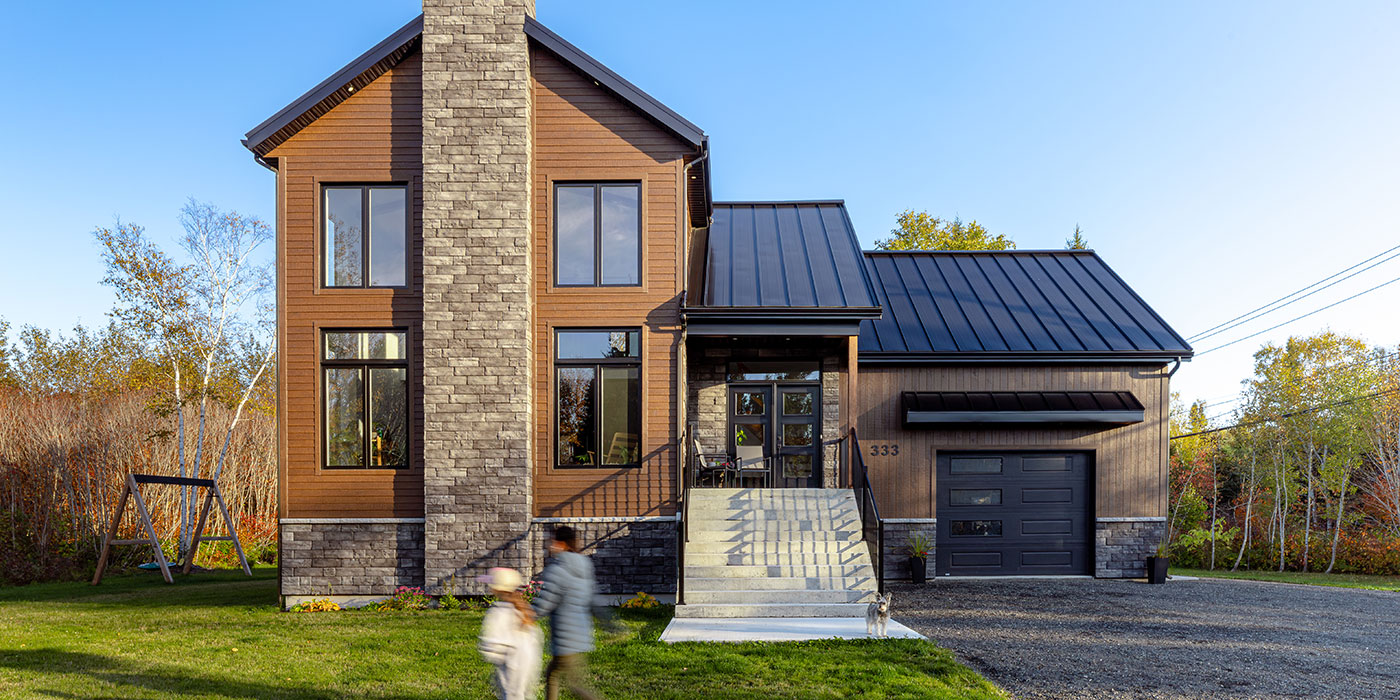
Adding fastened stone veneer to the lower portion of the home, or key focal points, can help soften that transition. The stone’s rich, natural textures create an elegant contrast with sleek contemporary materials. They bring warmth, character, and a welcoming feel to the home, rather than a cold, uniform appearance.
Historic homes are often defined by their unique architectural features and intricate details. To help preserve their character, it’s important to choose a fastened stone veneer that can integrate seamlessly with the building’s original lines and structure.
Installed one stone at a time, the Maibec Acenta Fastened Stone Veneer offers greater flexibility than stone panel systems. This versatility can make it easier to accommodate the unique architectural features and design details that give each home its character.
Timber Tip
Don’t just focus on the lower portion of your home. Fastened stone veneer can be used as an accent wall in place of siding to add depth and draw attention to the home’s unique and architectural design.
5. Balance Preservation With Performance
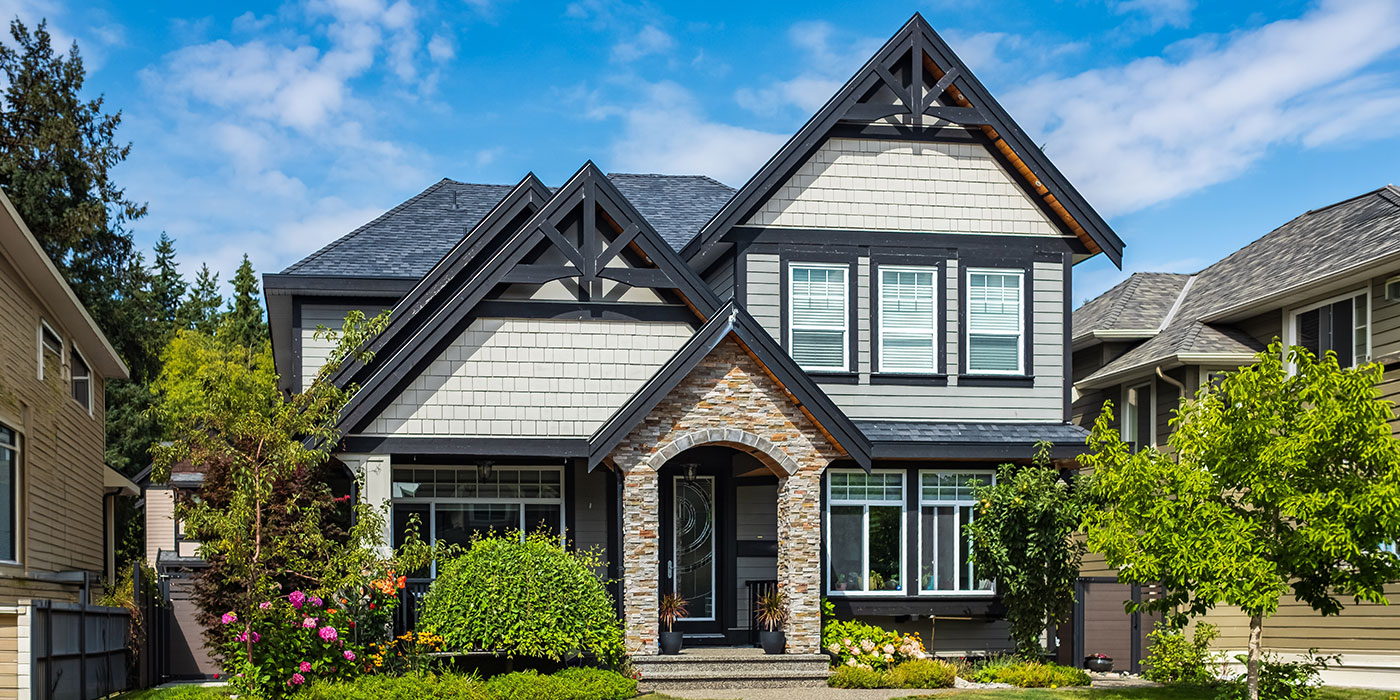
A successful century home retrofit doesn’t erase history; it strengthens it. The best results come from combining modern weather protection with materials that respect the home’s original design language.
That means reinforcing rooflines, protecting transitions and allowing walls to breathe, all while maintaining the unique architectural features that make these homes valuable in the first place. When each layer is chosen carefully, the home becomes more resilient without losing the character that made it worth preserving.
Timber Tip
When retrofitting a century home, it’s important to preserve its original beauty and character while protecting the structure underneath. This is done through proper weather barriers, flashing and upgraded exterior layers that protect old framing from moisture, drafts and seasonal movement. This sets the groundwork for installing upgraded siding, veneer and other aesthetic features that draw attention to the unique design.
A century home renovation is about balance: protecting original character while upgrading performance through rooflines, moisture control and precise material choices.
Your local TIMBER MART team can help you select the right roofing, flashing, wrap and siding solution to modernize older homes safely, while preserving their character and long-term integrity.