When homeowners think about improving comfort, windows are usually the first thing that comes to mind. They’re visible, easy to replace and often positioned as the obvious upgrade when a home feels drafty or inefficient.
Real comfort doesn’t come from a single upgrade. It comes from how the entire building envelope works together: walls, roof, foundation and windows acting as one integrated system. While windows tend to get the attention, it’s the walls that quietly do most of the work. They make up the majority of the building surface, carry the bulk of the insulation strategy and ultimately determine how well a home holds heat, manages moisture and maintains stable indoor conditions year-round.
To understand occupant comfort properly, we need to look beyond the glass and into the structure that surrounds it.
The Building Envelope
When we talk about occupant comfort, it’s easy to focus on what we can see—like windows. They’re tangible, visible, and relatively easy to upgrade. True comfort isn’t about a single feature. It’s driven by the entire building envelope—and it all starts with the walls.
The building envelope—walls, windows, roof, and foundation—is the barrier between inside and outside, controlling heat, air, and moisture movement. And while windows play a role, it’s the walls that carry the biggest load. In most residential homes, walls represent roughly 80% of the total surface area. That means they do the heavy lifting when it comes to maintaining consistent indoor temperatures, controlling air leakage, and shielding against external conditions.
Timber Tip
Insulation: The Foundation Of Thermal Performance
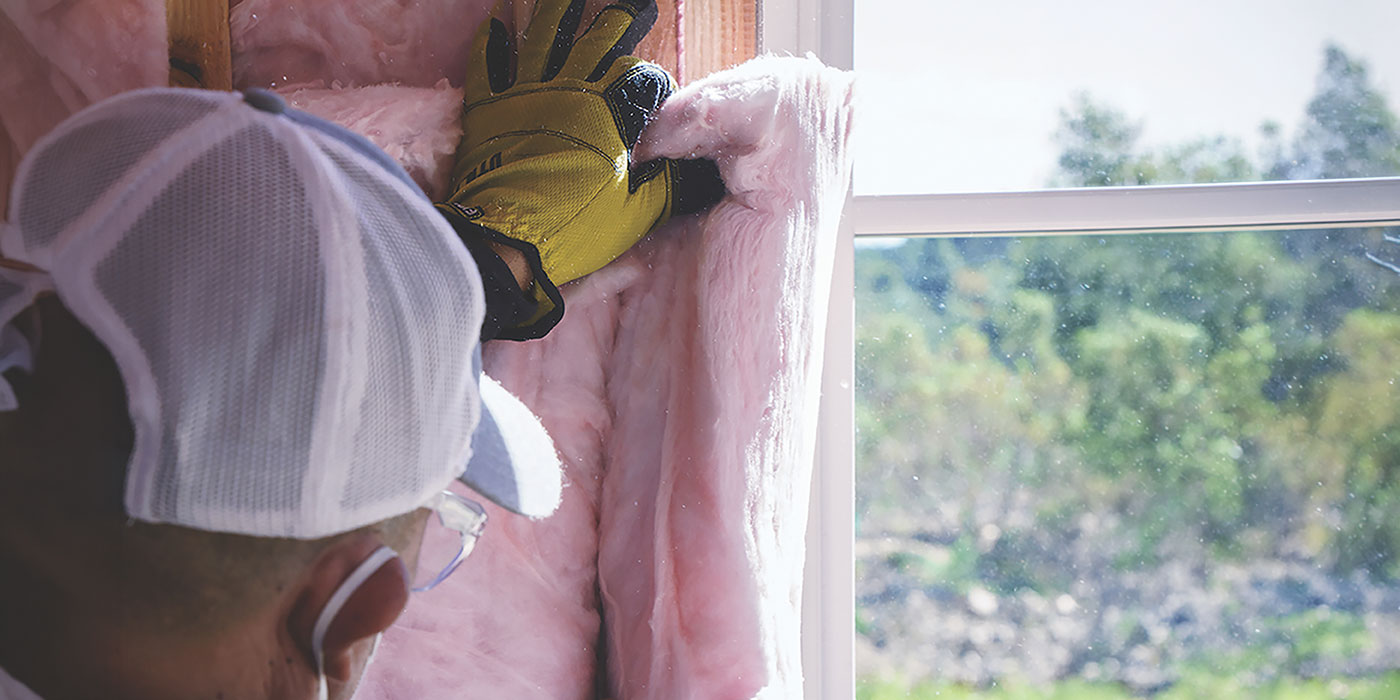
This is where insulation becomes critical. High-performance building envelopes incorporate high-performance insulation to help create a consistent, well-sealed thermal blanket, reducing drafts, uneven temperatures, and energy loss. When properly installed as part of a continuous wall system, insulation plays a foundational role in delivering the level of comfort occupants feel every day.
Windows Are A “Point Upgrade”, Not The Whole System
Windows are often the quick win. You can upgrade them to meet today’s code or improve efficiency, and that’s important. But windows are also replaceable. You can swap them out in 10, 15, or 20 years as technology evolves. Walls are different. Once they’re built, they’re there for the life of the building. Getting them right from day one—with the right insulation approach—is critical, because going back to add more is painful and costly.
This becomes even more important when we think about resilience. During a power outage, mechanical systems stop working. At that point, comfort depends entirely on how well the envelope performs. A well-insulated wall system, combined with high-quality windows, helps slow heat loss in winter and heat gain in summer, maintaining safer, more stable indoor conditions for longer—without relying on equipment.
The Envelope As A System, Not Separate Parts
The key is understanding that walls and windows must work in harmony. A high-performance window installed in a poorly insulated wall won’t deliver the comfort you expect. Likewise, even a well-insulated wall needs properly detailed windows to manage heat loss and heat gains and help maintain occupant comfort. The envelope is a system—every component must work together in perfect harmony. Air and wind barriers, in combination with quality insulation, help improve the home’s energy efficiency around windows and doors.
In the end, true occupant comfort isn’t about only optimizing parts of the building envelope. It’s about designing a durable, high-performing envelope that stands the test of time—one where well-insulated, airtight walls and windows are aligned and integrated, built for the future.
At TIMBER MART, we see the building envelope as more than a technical detail; it’s the foundation of how a home feels, performs and endures Canadian conditions.
Whether you’re renovating or building new, our team of TIMBER MART experts can help you choose the right materials and solutions to ensure your entire envelope works together for comfort, durability and long-term performance.