Canadian homeowners are thinking differently about renovations. Beautiful design is still important, but more people are choosing materials that can withstand harsher weather, improve energy efficiency and reduce their environmental impact for decades to come.
Future-proofing a home starts behind the walls, otherwise known as the invisible foundation. A high-performing building envelope helps regulate indoor temperatures, reduce energy consumption and protect the structure from moisture and extreme weather. Choosing durable, long-lasting materials today creates a home that’s better prepared for tomorrow, while delivering greater comfort every season.
Keep reading for four simple and effective ways to build a more eco-conscious home.
1. Build A Continuous Thermal Envelope
The building envelope is one of the most important factors in a home’s long-term performance. When insulation is interrupted by gaps or thermal bridges, heat escapes more easily in winter and enters more readily during the summer, requiring heating and cooling systems to work harder.
ROCKWOOL Comfortboard® creates a continuous layer of exterior insulation that helps reduce thermal bridging while maintaining stable thermal performance over the life of the building. Made from volcanic stone, it won’t shrink, settle or degrade over time, helping maintain energy efficiency year after year.
A continuous thermal envelope not only improves comfort but also reduces energy consumption, making it an important part of building a more sustainable and wellness-centric home.

Timber Tip
Install continuous exterior insulation over wall framing to help reduce thermal bridging at every stud. Even well-insulated wall cavities lose efficiency when exposed framing creates pathways for heat to escape.
2. Choose Materials Designed To Last
One of the most sustainable building decisions Canadian homeowners can make is choosing materials that continue performing for decades without needing replacement.
Unlike some insulation products that can lose effectiveness, ROCKWOOL Comfortboard® delivers durable thermal performance throughout the life of the building. Its stone wool composition also repels water while allowing water vapour to pass through, helping wall assemblies dry more effectively after seasonal moisture exposure. Long-lasting materials reduce maintenance, extend the life of the building envelope and minimize waste over time.
Timber Tip
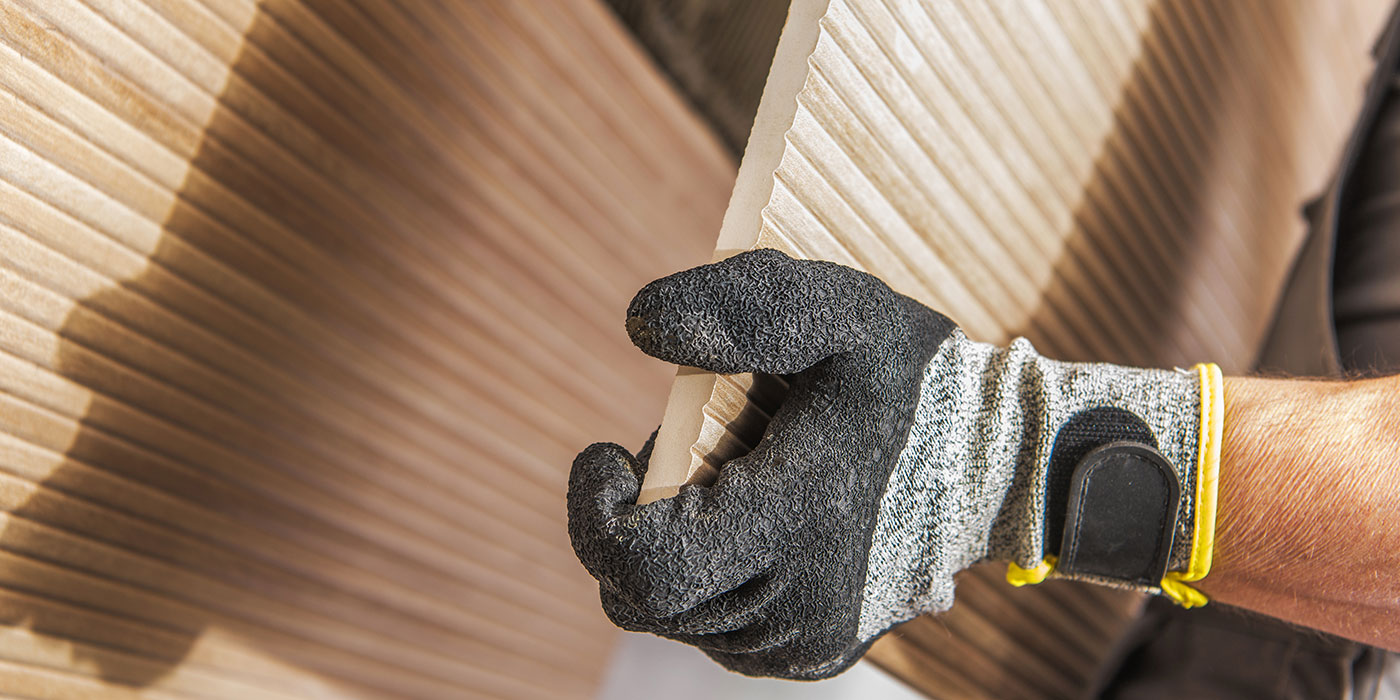
When replacing exterior cladding, inspect the weather barrier and insulation before installing new siding. It’s far easier and far less expensive to improve the wall assembly while it’s already exposed.
3. Build Fire Resilience Into The Envelope
As wildfire seasons become longer and extreme weather events become more common across Canada, homeowners are increasingly considering how building materials contribute to overall resilience.
Because ROCKWOOL Comfortboard® is manufactured from noncombustible volcanic stone, it provides an added layer of fire protection within the exterior wall assembly. It can withstand high temperatures without contributing fuel to a fire, helping strengthen the home’s overall envelope while continuing to deliver thermal and acoustic performance.
Building with fire resilience in mind doesn’t mean sacrificing design, it means creating homes that are prepared for changing conditions.
Timber Tip
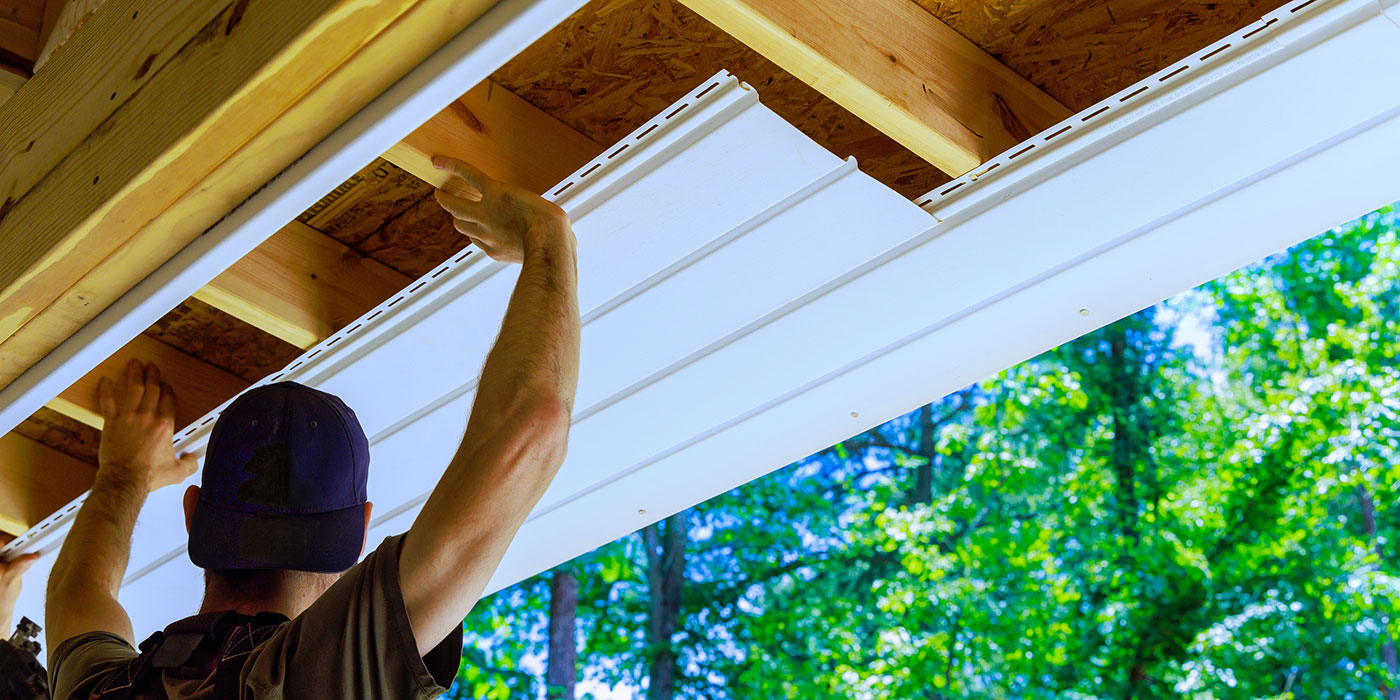
Pay special attention to vulnerable areas like exterior walls, soffits and roof-to-wall transitions. Using noncombustible materials in these locations helps strengthen the home’s first line of defence.
4. Complete The Comfort System From The Inside Out
A resilient home isn’t built with one product, it relies on every layer working together. While continuous exterior insulation protects the building envelope, cavity insulation completes the system by improving thermal performance inside the walls.
CertainTeed Lanaé Sustainable Insulation™ is crafted with high-recycled content and bio-sourced renewable materials while providing dependable thermal performance from R-8 to R-40. Its ultra-soft, odourless and formaldehyde-free composition helps create healthier indoor environments while reducing heat transfer throughout the year.
Together, CertainTeed Lanaé Sustainable Insulation™ and ROCKWOOL Comfortboard® create a complete comfort system that improves energy efficiency, supports indoor comfort and helps prepare homes for Canada’s changing climate.
Timber Tip
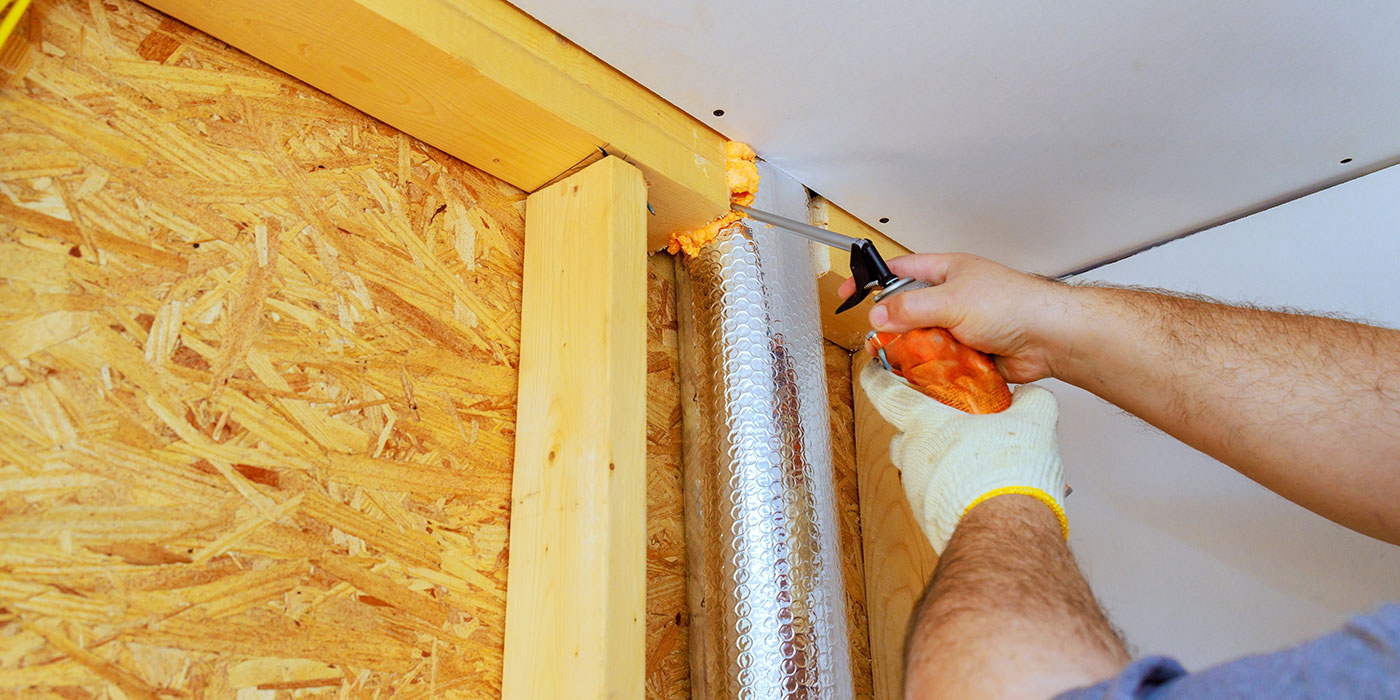
Before insulating exterior walls, seal gaps around plumbing penetrations, electrical wiring and window rough openings with the appropriate air-sealing products. Reducing air leakage allows insulation to perform as intended and improves overall energy efficiency.
Building a resilient home means looking beyond today’s renovation and planning for decades of comfort, efficiency and protection. By combining continuous exterior thermal envelope with high-performance cavity insulation, homeowners can reduce energy use, improve indoor comfort and strengthen their homes against whatever the Canadian climate brings.
Your local TIMBER MART team can help you choose the right insulation solutions to build a home that’s designed to last.