Winter has kept you indoors and focused on your interior projects, but spring will soon be springing! Seasonally, spring is one of the best times to take a closer look at your home’s exterior. As snow and ice disappear, winter can leave behind cracked caulking, damaged siding, clogged gutters and drainage issues that may seem minor now but can become expensive problems if they’re left untreated.
Your siding is more than a design feature. It is an important part of your home’s exterior envelope, helping protect the structure from moisture, temperature changes, wind, pests and other environmental stresses. Choosing the right material and keeping the entire exterior system in good condition can make a significant difference over the life of your home.
For Canadian homeowners, that means thinking beyond this year’s colour or exterior design trend. A well-planned siding upgrade should consider climate resilience, maintenance, fire protection, long-term value and the architectural style you want to achieve.
Whether you’re planning a spring or summer exterior renovation, exploring a simple home improvement or simply assessing what your home needs next, here are five ways to build a more resilient envelope:
1. Start With A Spring Thaw Inspection
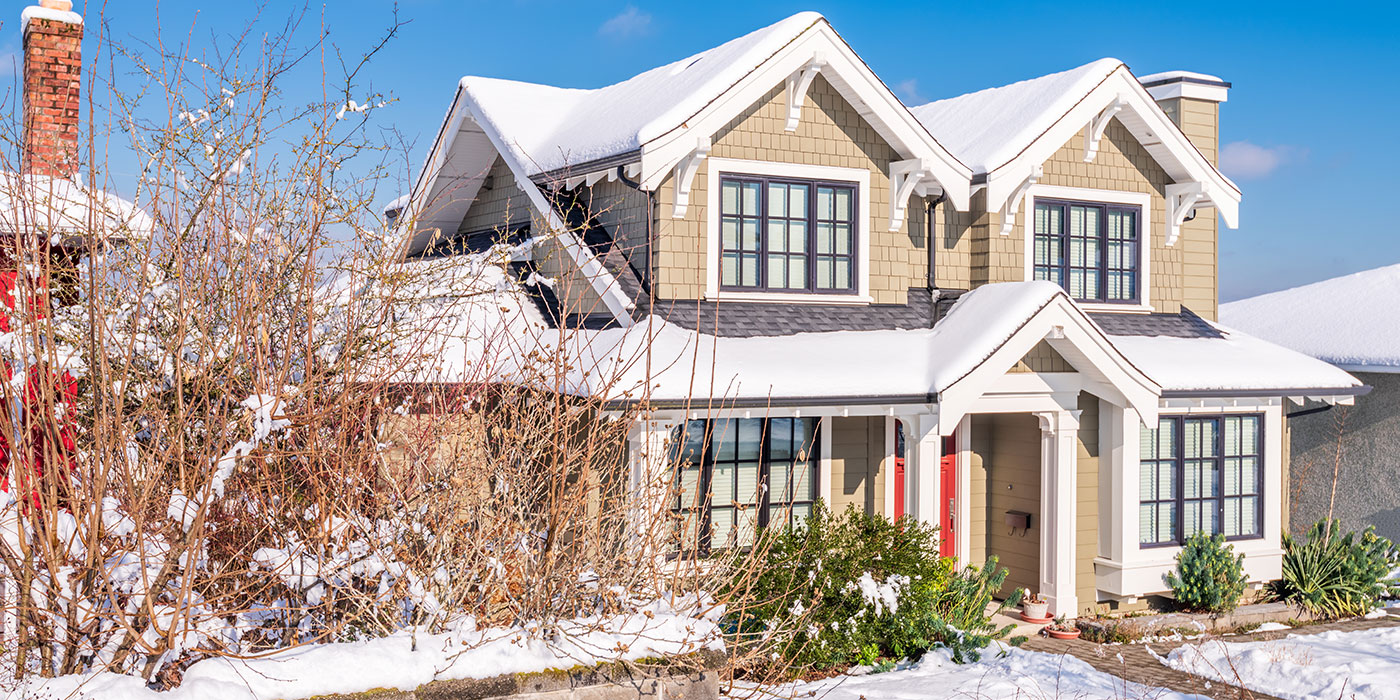
Before planning a siding replacement, walk around your home and look for signs of winter damage. Start at the roofline and work your way down, checking gutters and downspouts for damage, window and door caulking for cracks or gaps and siding for warping, cracking or loose sections.
Pay attention to the bottom of the house, too. Make sure grading directs water away from the foundation, and that basement window wells are clear of debris and can drain properly. Catching small issues early can help prevent moisture from becoming a much larger repair.
Richelieu Task Kneepads can provide added comfort when inspecting lower siding, trim, foundation drainage and basement window wells.
Timber Tip
Take photos of cracks, gaps or damaged areas during your inspection. They can help you track changes and give contractors a clearer picture of what needs attention.
2. Choose Materials That Can Handle Canadian Weather
Canadian exteriors have to withstand repeated cycles of freezing, thawing, moisture, wind and temperature changes. That makes the siding material, and the system behind it, an important part of your renovation plan.
Proper flashing, drainage, weather-resistant barriers and installation details all work together to manage moisture. If your home has experienced repeated water damage, peeling paint or deteriorating siding, address the underlying issue before installing a new exterior finish.
Hardie® Fiber Cement Siding is designed for climate resilience and provides resistance against water damage, pests, extreme weather and fire. It can be a long-term option for homeowners looking to upgrade both the performance and appearance of their exterior.

Timber Tip
Don’t use new siding to cover up an old moisture problem. Address drainage, flashing and damaged materials before installation begins.
3. Plan For A Changing Climate
Exterior planning is increasingly about more than rain and snow. Longer and more severe wildfire seasons have made fire resilience an important consideration, particularly for homeowners living in or near Wildland-Urban Interface areas.
Your siding can be one part of a broader wildfire-preparedness strategy. Hardie® Fiber Cement Siding is non-combustible, making it one option for homeowners looking to incorporate more fire-resistant materials into their exterior.
Fire-resistant siding is not a guarantee against fire damage, but carefully selecting home exterior products, including fire-resistant insulation & drywall, along with maintaining the area around your home and reducing combustible materials, can help harden your home against external fires and make it more resilient.
Timber Tip
Think beyond the siding. Roofs, decks, fences, landscaping, and stored materials can all play a role in your home’s overall resistance to wildlife. Choosing products with fire prevention in mind can limit damage should the unthinkable happen.
4. Combine Durability With Design
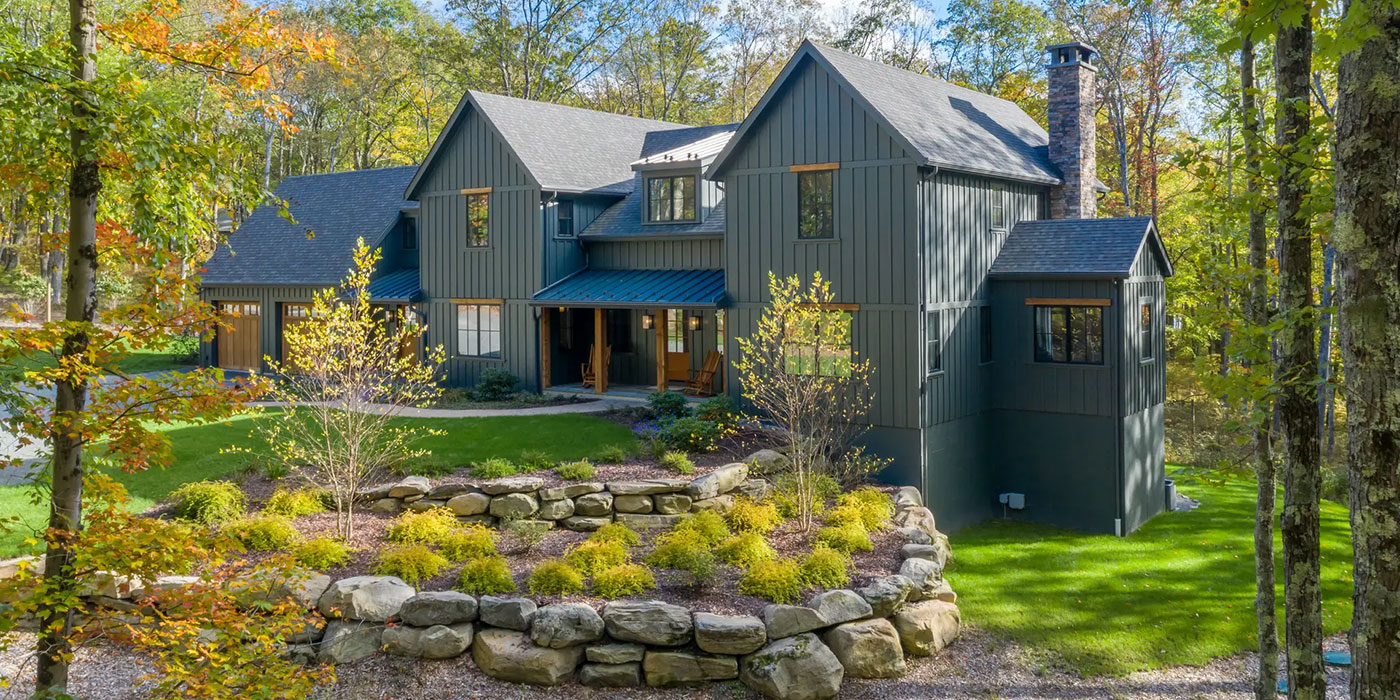
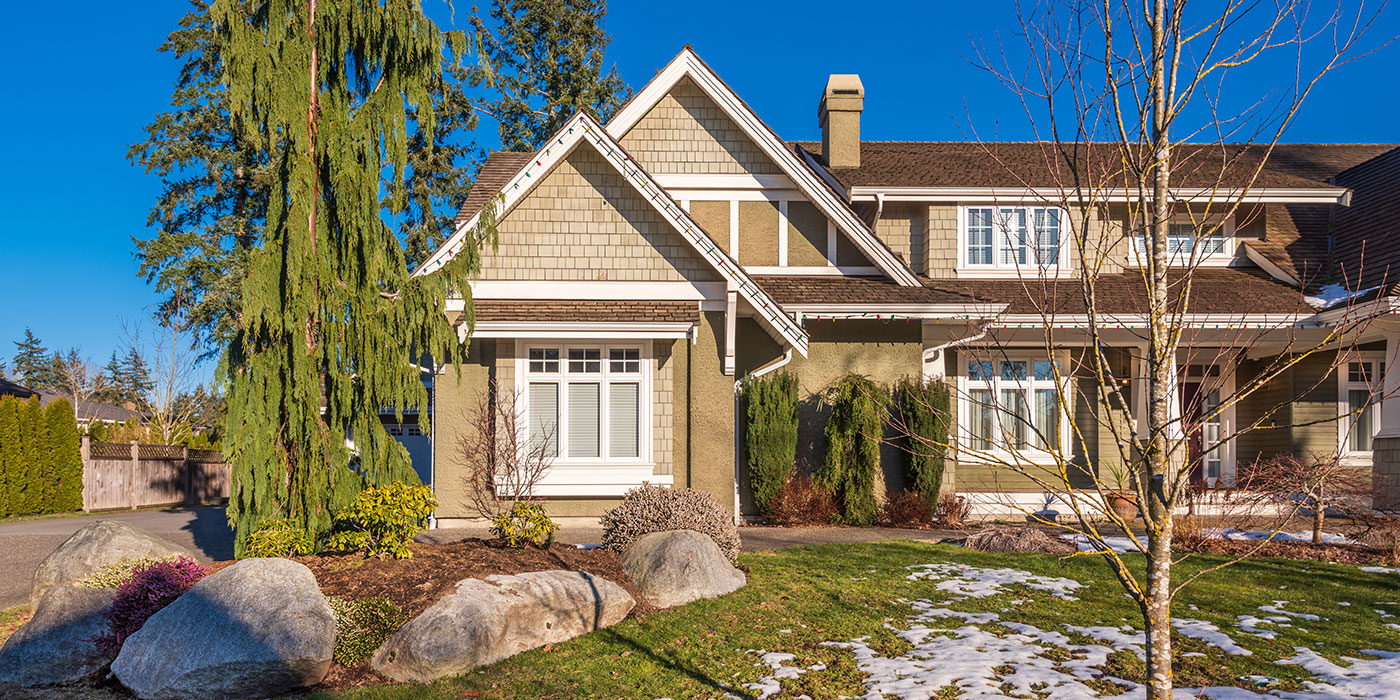
A durable exterior doesn’t have to look utilitarian. Modern siding profiles give homeowners plenty of options for creating distinctive architectural styles, from Modern Farmhouse board-and-batten to clean contemporary panels.
James Hardie offers a range of siding profiles, colours and styles, making it easier to create a cohesive exterior that compliments your roof, windows, doors, trim and landscaping. The goal is to choose a look that feels current while still complementing your home’s architecture.
Think about the entire exterior when making your selections. A siding colour that looks great on its own may look very different next to existing brick, roofing or stone.
Timber Tip
Look at siding samples outside before choosing a final colour. Natural light changes through the day, and surrounding materials can affect how a colour looks.
5. Think Long-Term and Plan Early
The cost of siding goes beyond the initial price per square foot in your budget. Consider ongoing maintenance, expected lifespan, repairs and the amount of work required to keep the exterior looking its best.
A low-maintenance, resilient exterior can also support long-term home value and curb appeal. If fire-resistant materials are part of your renovation, speak with your insurance provider about whether your specific home and upgrades could affect coverage or premiums.
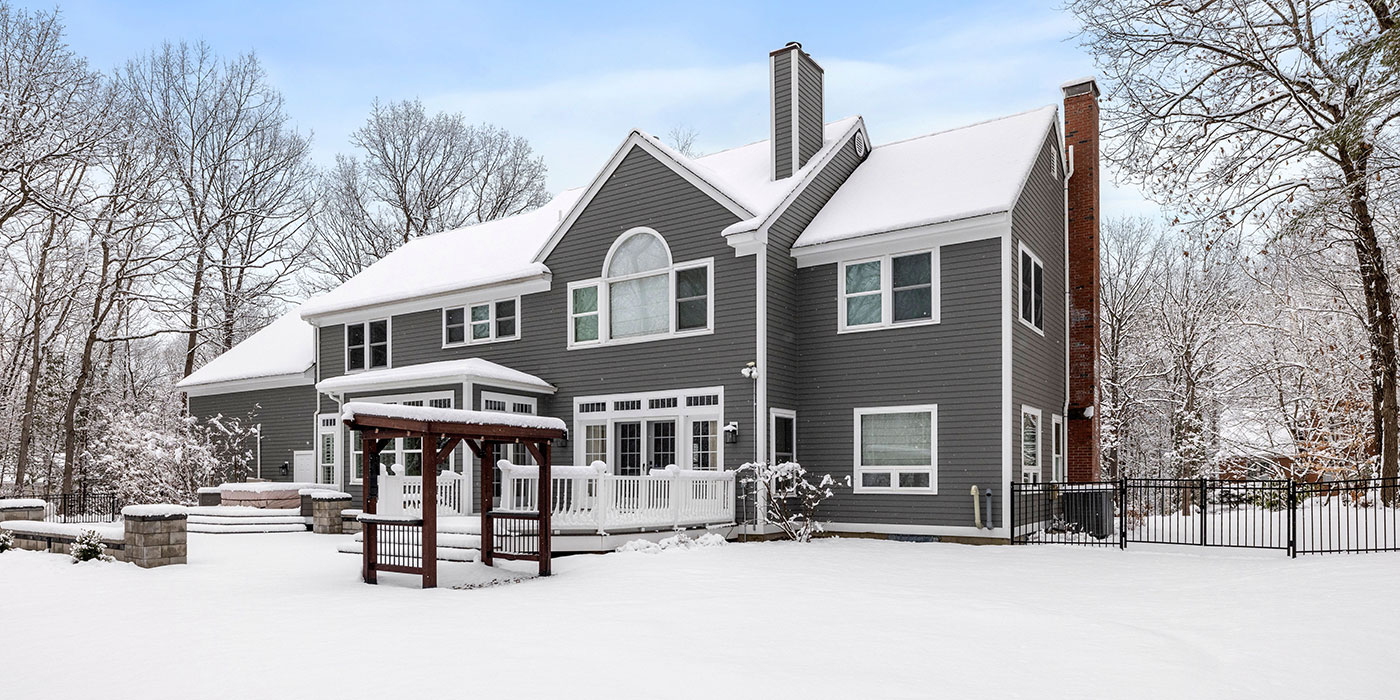
Winter is also the time to start talking to contractors if you want to complete an exterior project during the warmer months. Planning early gives you more time to compare materials, speak with contractors, confirm availability and coordinate the work – as well as glean some pro renovation secrets in advance.
Timber Tip
Start your exterior project earlier than you think you need to. A little extra planning time can help you avoid rushed material decisions and busy summer contractor schedules.
Your home’s exterior needs to handle Canadian winters, spring moisture, summer heat and increasingly unpredictable weather, all while looking great.
Choosing durable materials, addressing moisture issues early and planning your renovation well in advance can help create an exterior that performs for years to come. Your local TIMBER MART team can help you find the materials and tools and provide the advice you’ll need to build with the Canadian climate in mind.