For over a decade, the humble backyard deck and outdoor space has evolved tremendously. Entering 2026, the shift is palpable. Canadian homeowners are no longer just looking for a place to park the BBQ; they are demanding sophisticated, multi-functional outdoor “rooms” that rival the interior design of their homes.
This year, the focus is on organic integration, intentional zoning, and resort-inspired aesthetics. Gone are the days of simple rectangle decks – homeowners are leaning toward decks that feel natural to their outdoor space. Here are the top 10 high-design trends shaping backyards in 2026, and a sneak peek at how we achieve them.
1. Organic Curves and Softened Edges
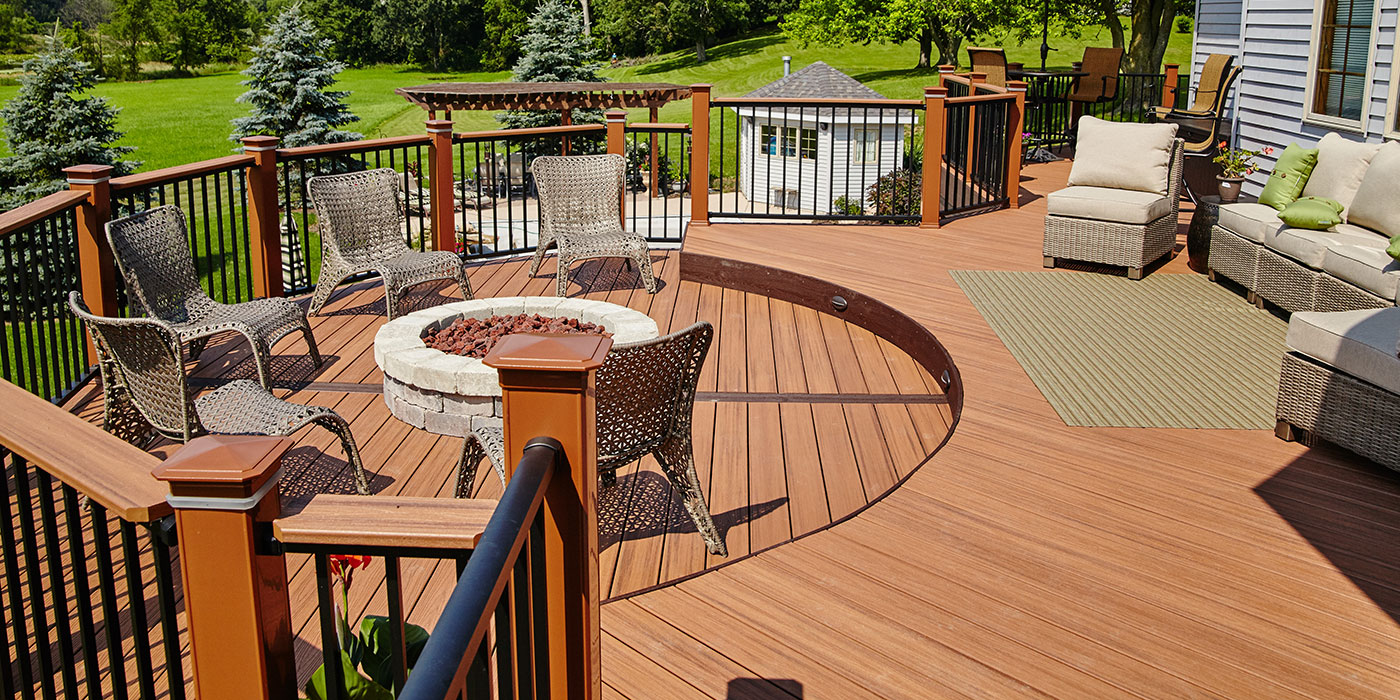
The rigid lines of traditionally rectangular decks are softening. In 2026, we are seeing a massive movement toward sweeping curves, rounded corners, and circular bump-outs for dining areas. This approach allows the deck’s architecture to flow fluidly into the surrounding landscaping and truly define the space, rather than imposing a harsh grid. It feels custom, luxurious, and incredibly inviting.
Building these customized and curved decks is not for the faint of heart. It requires advanced framing techniques and precise material manipulation to make sure everything comes together seamlessly. But, in the end, the final look can make the planning (and building) worth it!
Timber Tip
Incorporating curved or circular areas can elevate your deck by defining dedicated spaces for seating, dining and entertaining. However, planning is key with these more contemporary designs, as curved deck layouts do not easily accommodate future additions or adjustments without significant investment.
2. Biophilic Integration
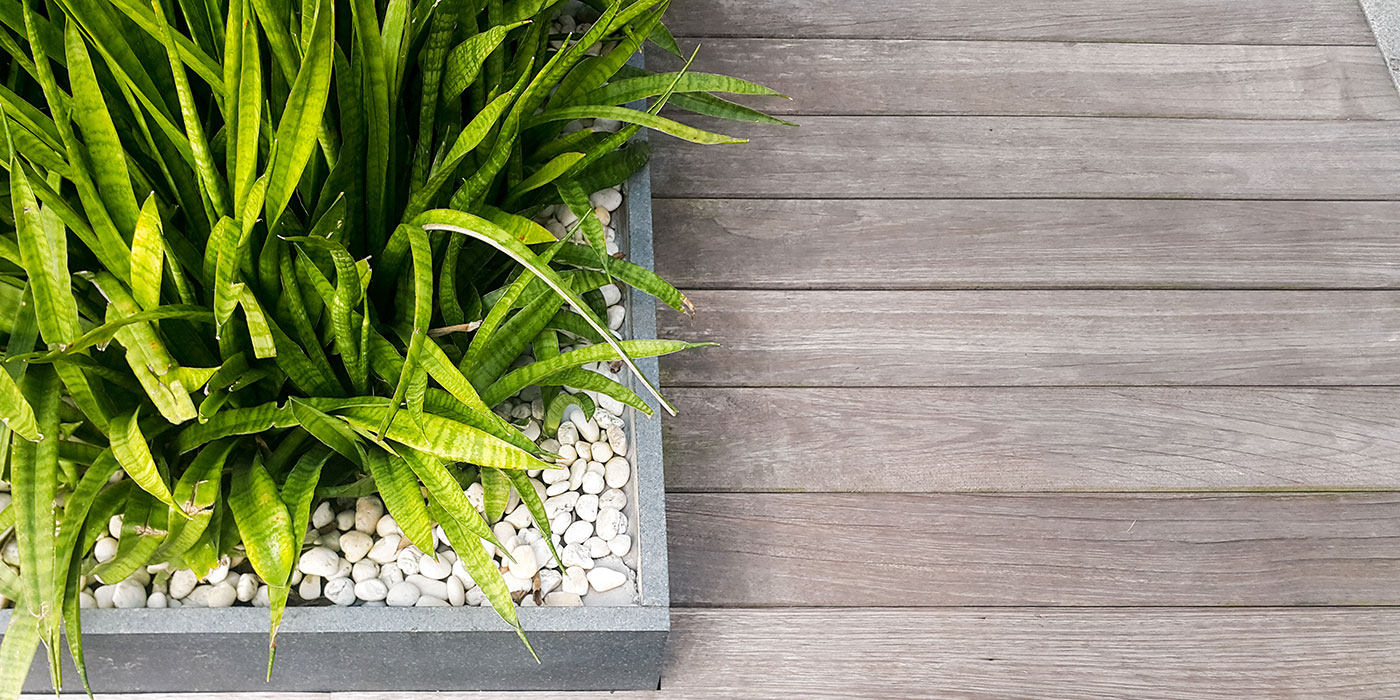
Rather than building a deck next to the garden, 2026 is about building a deck that blends into your garden – creating a truly serene space to entertain or relax. Think built-in planter boxes made of the same material as the deck, or intentional cut-outs that allow mature trees to grow, providing natural shade and a stunning focal point.
Mixing organic features such as gardens, rock beds, and plants with decks, stairs and fences requires careful attention to detail and dedication to how the different materials are secured.
Timber Tip
When planning a biophilic backyard, be sure to think ahead. Your garden plants, planted trees and shrubs will grow over time. When building your deck and planter sizes, remember that although the plants may seem small now, researching their mature sizes will ensure they don’t outgrow their current space in the future.
3. Definition Through "Mixed Tones"
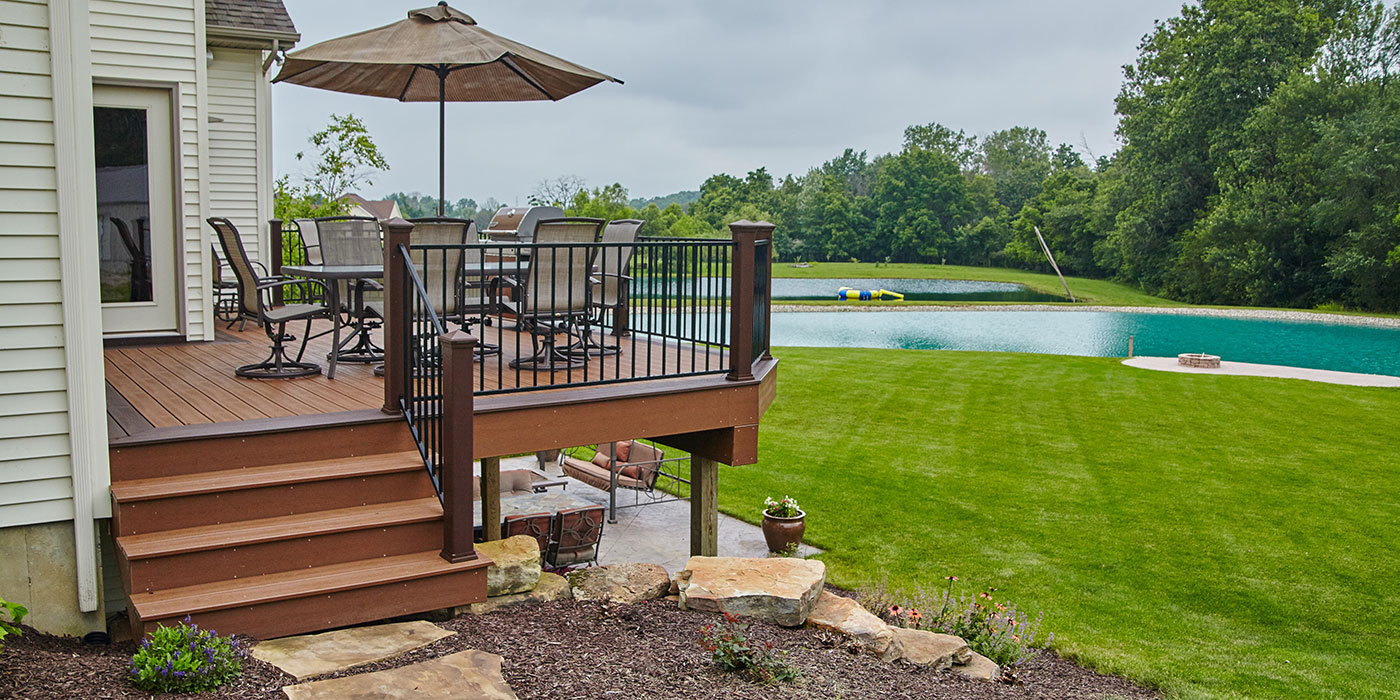
How do you define “rooms” without walls? Colour. Using contrasting composite decking colours to create permanent visual “spaces” right in the floor plan can help to create visual separation. A border of dark walnut framing a lighter oak-toned interior can naturally define the dining zone, separate from the lounging zone, without adding railings or separating the structure into two spaces.
If you’re building or updating a wood fence, you can achieve the same look with clever stain application. Use a much lighter tone of stain as the main colour, then select a much darker complementary stain for the zone “borders”.
Timber Tip
Mixed-tone decks are a great way to add subtle elegance for a lasting impression. Many homeowners aesthetically prefer darker colours but tend to shy away from darker decking because it gets hotter in the summer sun. But mixed-tone decks allow for a nice, eye-catching compromise. Lighter panels in the centre of the deck reduce heat retention under high-traffic areas, while choosing a deep, contrasting colour for section borders creates definition between the spaces that will wow your guests.
4. Warm Earth Tones & Mixing Materials
For nearly ten years, cool greys have dominated exterior design, but in 2026, the pendulum swings back to warmer shades and undertones. We are seeing a surge in rich auburns, deep cedar tones, and complex browns that ground the space.
Historically, dark decking meant scorched feet in the hot summer sun. Today, heat-mitigating composite boards are becoming more common, allowing you to get that moody, dark aesthetic without the burn.
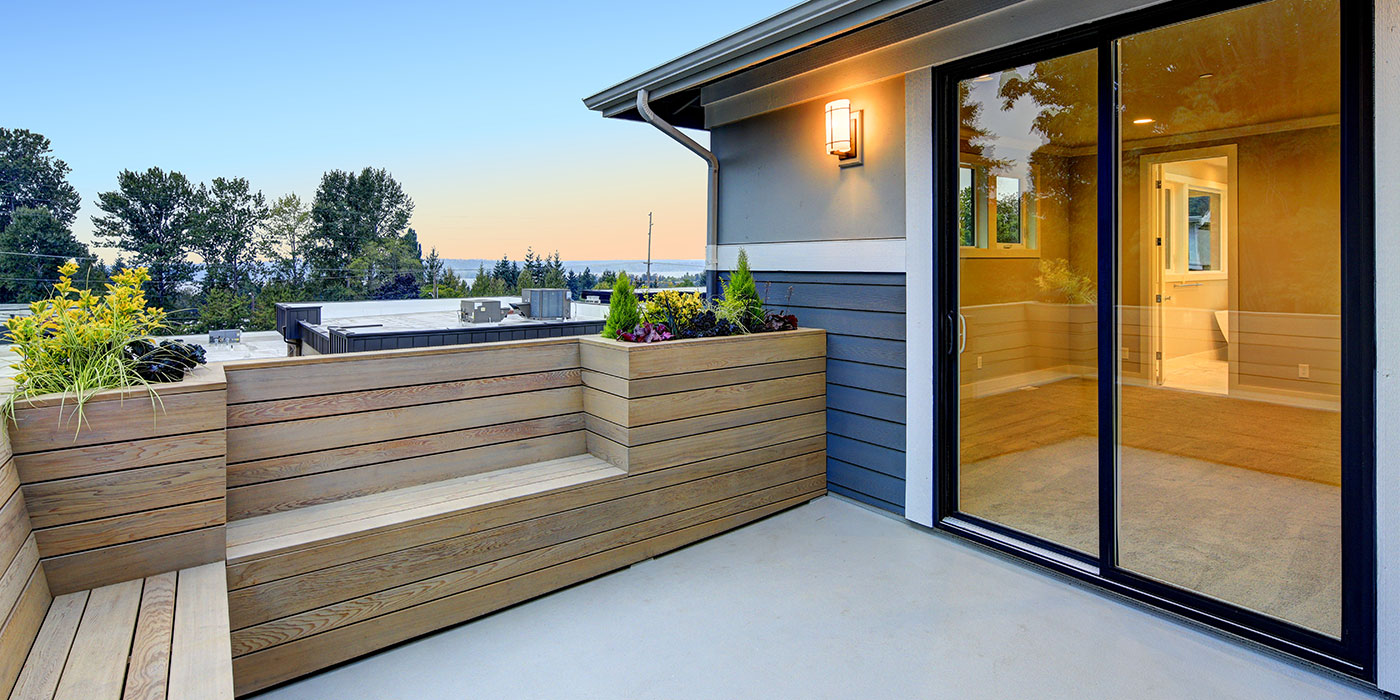
Mixing materials is also a major trend in backyard and decking spaces. Homeowners are truly leaning into pairing decking in deeper, richer tones with lighter, warm tones from terracotta or stonework to create a welcoming, relaxing aesthetic that you’ll be excited to enjoy and proud to show off.
Timber Tip
When choosing materials for each space, knowing how it will be used is key. Carefully consider traffic flow and select materials accordingly. Concrete patios under BBQ areas, composite or wood decking for welcoming relaxation, and stone work for pathways to tie it all together. When building these sections, it’s important that you have a strong base and that neighbouring or touching materials are secured properly.
5. Japandi Outdoor Fusion
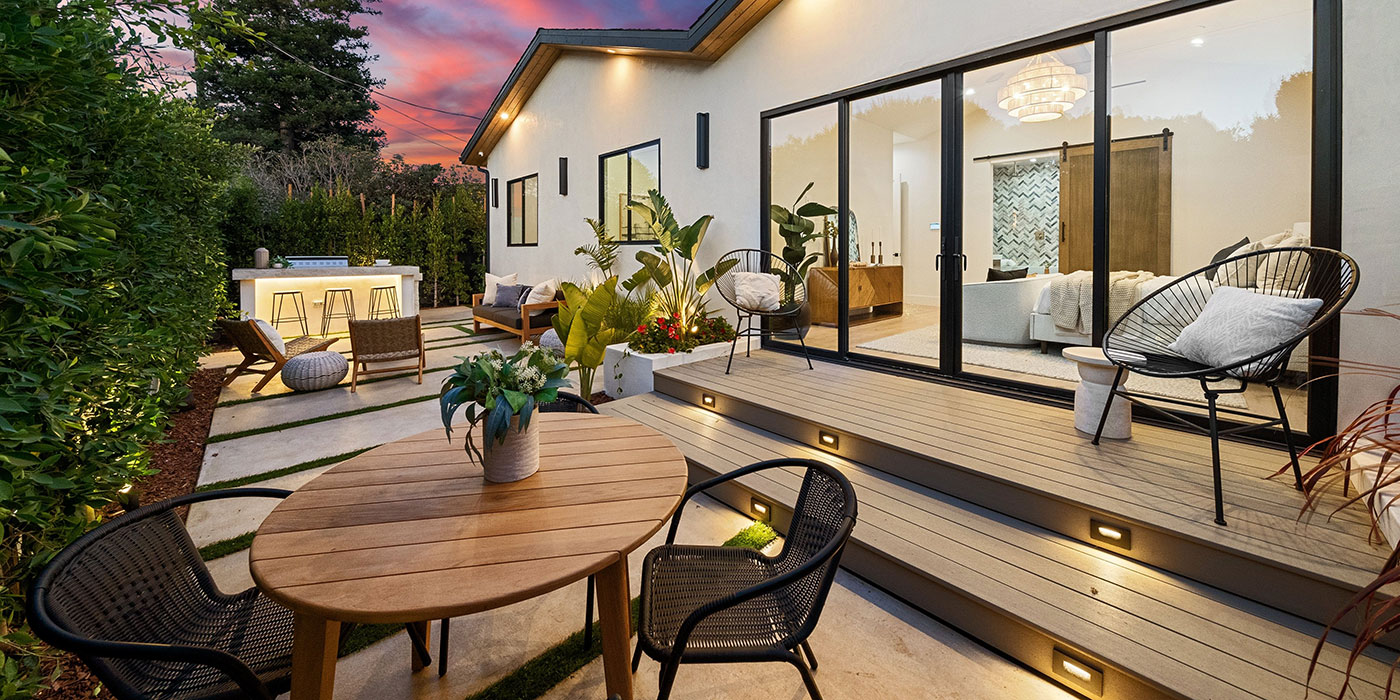
The incredibly popular interior trend of blending Japanese minimalism with Scandinavian warmth has moved outdoors. This aesthetic relies on pale natural wood tones, sleek matte black accents, uncluttered sightlines, and an overarching sense of Zen-like simplicity.
Pale early tones and mixed materials, including areas for relaxation, entertainment, and dining, will act as an extension of your home’s interior during the fleeting warm summer months.
Timber Tip
Using similar aesthetics and decor styles for both your indoor and outdoor entertainment spaces will create a smooth transition and “blending” of the spaces.
6. Destination "Island" Decks
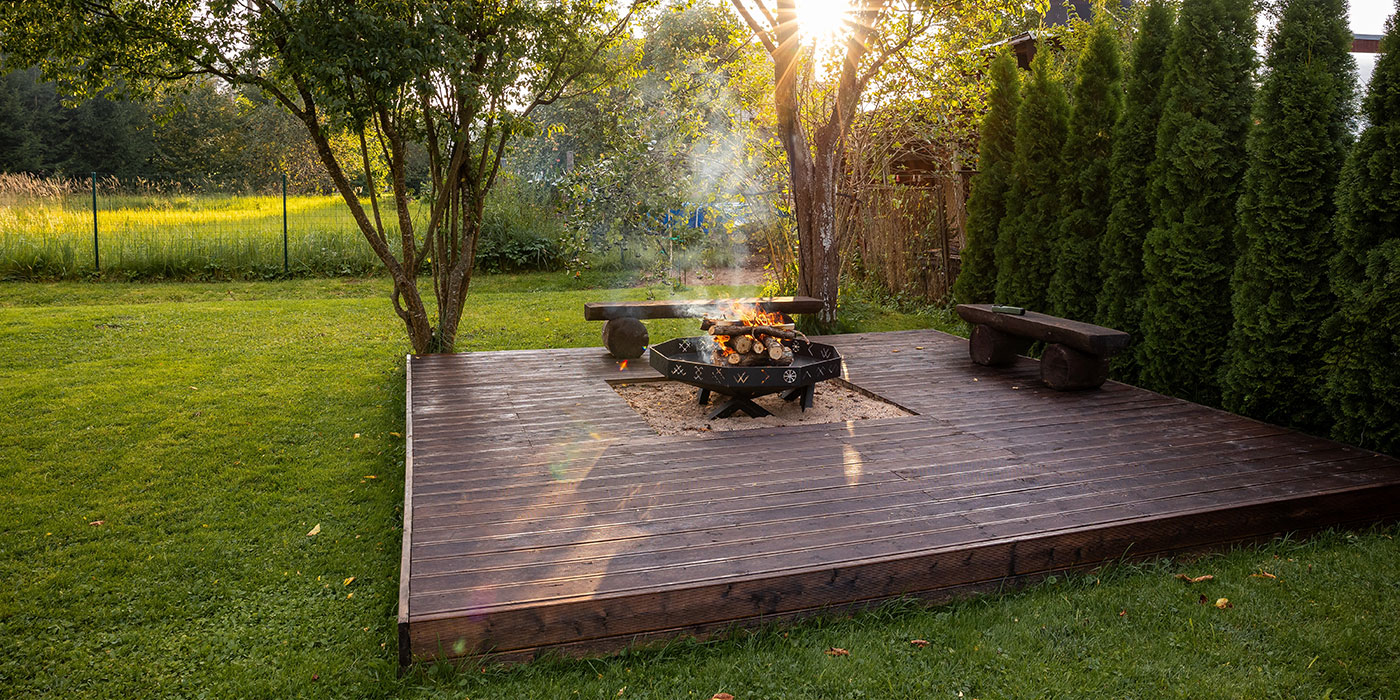
We are seeing a rise in “satellite” or floating decks placed in different areas or far corners of the property. Built under a favourite shade tree, along a privacy wall or otherwise away from the main space, these freestanding platforms create a purposeful destination and a quiet escape.
If you don’t have the backyard space for a satellite deck that’s built away from the home, consider adding multiple levels to your main deck. Dropping a fire pit area down by two or three steps creates an intimate “conversation pit” vibe that feels distinct and cozy, separate from the elevated outdoor dining room.
Timber Tip
Make sure the placement of the separate deck, its size, and any additional features are optimized for how you will use the space. If you’re near or under a tree canopy, be mindful of safety concerns if you’re planning on a fire pit and conversation set. Adding a privacy fence or treeline between your satellite deck and your neighbours, or the rest of your backyard, is essential to creating a “secluded” and serene atmosphere.
7. The 3-Season "Clean" Zone
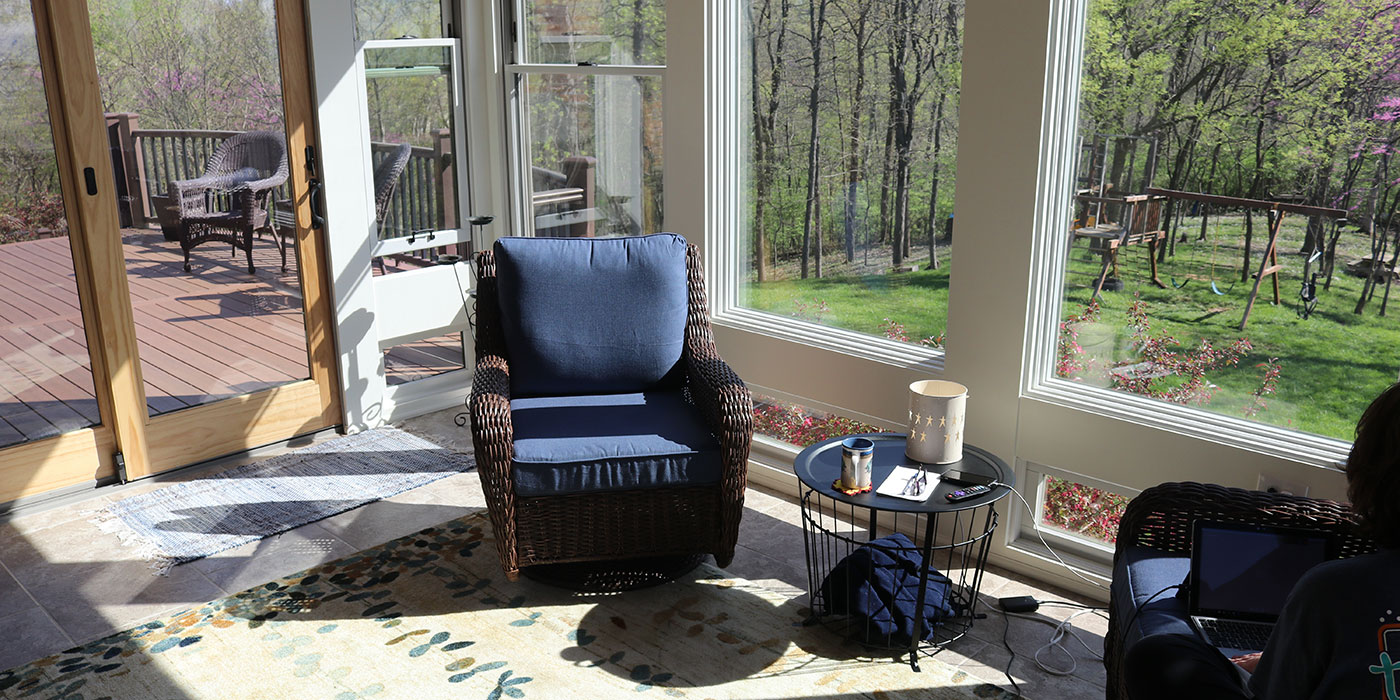
Sunrooms and enclosed decks are acting as buffer zones this year! Using high-performance paints with stain-repellent properties helps keep mud, barbecue grease, and paw prints from damaging walls in these high-traffic areas. Choosing durable flooring – whether composite (for enclosed decks), tile or vinyl (for interior spaces) – will ensure that cleaning is easy and stress-free. Choosing durable finishes also makes spring and fall clean-up easier.
Timber Tip
Design the space for real life, not just looks. You might add a washable runner, install hooks for shoes and jackets, and keep a small tray or mat by the door to catch mud before it travels inside.
A few practical choices upfront make this buffer zone work as it’s supposed to, protecting the rest of the home from the mess of outdoor living.