Flooring sets the tone for how a home feels the moment you walk in. It carries the wear of everyday life, softens the sound of footsteps and quietly ties your spaces together. For many Canadian homeowners, flooring is no longer just a finish touch, but a foundational design decision that impacts how the home looks, feels and functions.
In 2026, homeowners are choosing floors that feel warmer, work hard, and reflect how they actually live, without sacrificing style. From cozy, winter-ready tones to innovative materials designed for real life, these are the flooring trends shaping Canadian homes now and into the future.
1. The Reign of Warm Tones
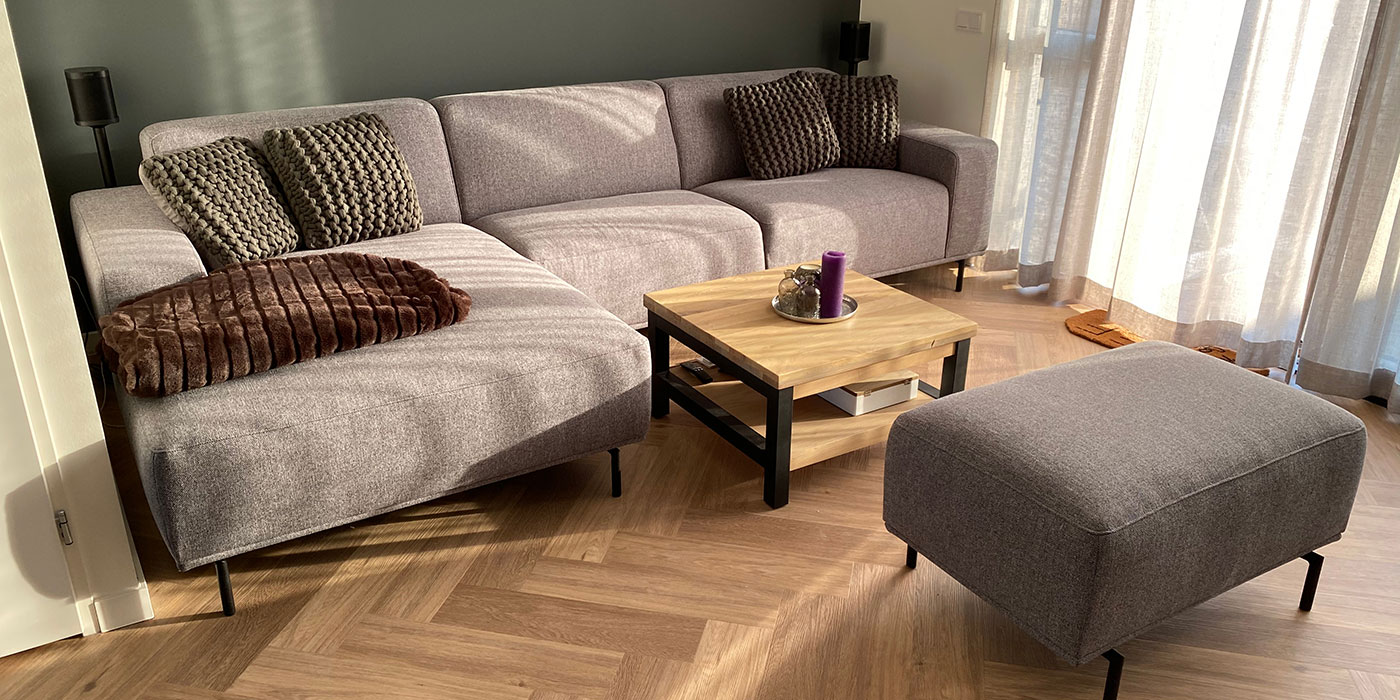
During the long, cold Canadian winter, who wouldn’t want a space that feels lived-in, grounded, and welcoming? That means cool grey floors are on their way out and in their place, we’re seeing rich, earthy hues like honey, amber, chestnut, walnut and natural oak.
These warmer tones are available in engineered hardwood and wood-look LVP. Warm-toned floors are great for creating balanced and comfortable interiors that add visual comfort and timeless appeal.
For those looking at tile instead of wood, terracotta and earthy finishes are also making a comeback. Clay-look porcelain, slate and textured stone are gaining popularity in entryways and sunrooms to add a rustic warmth and a subtle Mediterranean influence.
Timber Tip
When you’re choosing a warm-toned wood or tile, bring home large samples and view them at different times of day. Natural and artificial light can shift undertones quite dramatically, especially during the darker winter months.
2. Mixed Materials for Definition
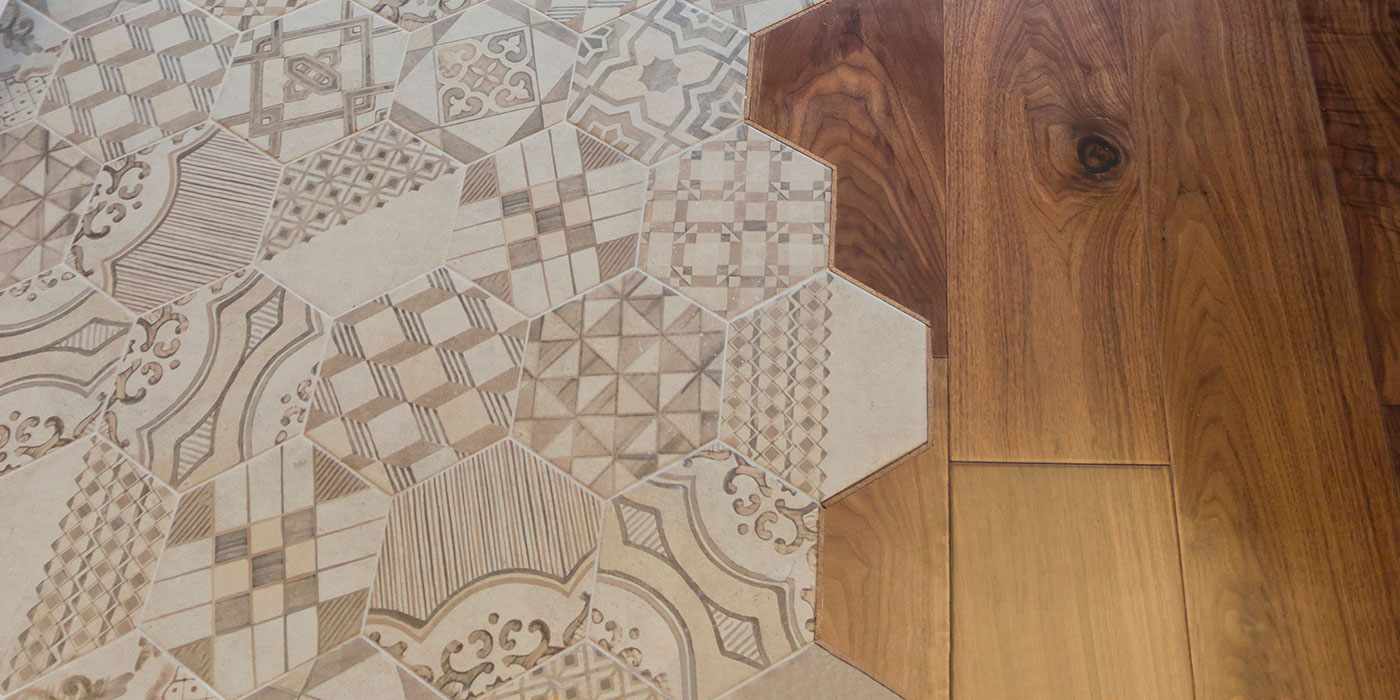
Rather than using a single flooring type throughout the home, homeowners are embracing thoughtful material transitions to define different zones. For example, wood-look planks often anchor living areas, while stone-look porcelain or patterned tile takes over in kitchens, entryways, bathrooms and mudrooms.
The real key here? A focus on cohesion, not contrast. Coordinated colours and undertones enable materials to flow seamlessly between spaces, often eliminating the need for traditional transition strips. The result is a layered, functional design that reflects how each area of the home is actually used.
Timber Tip
Match undertones, not exact colours. Our favourite pairing? A warm wood-look plank that pairs well with a similar beige, taupe or clay stone or tile.
3. Wide and Long Planks
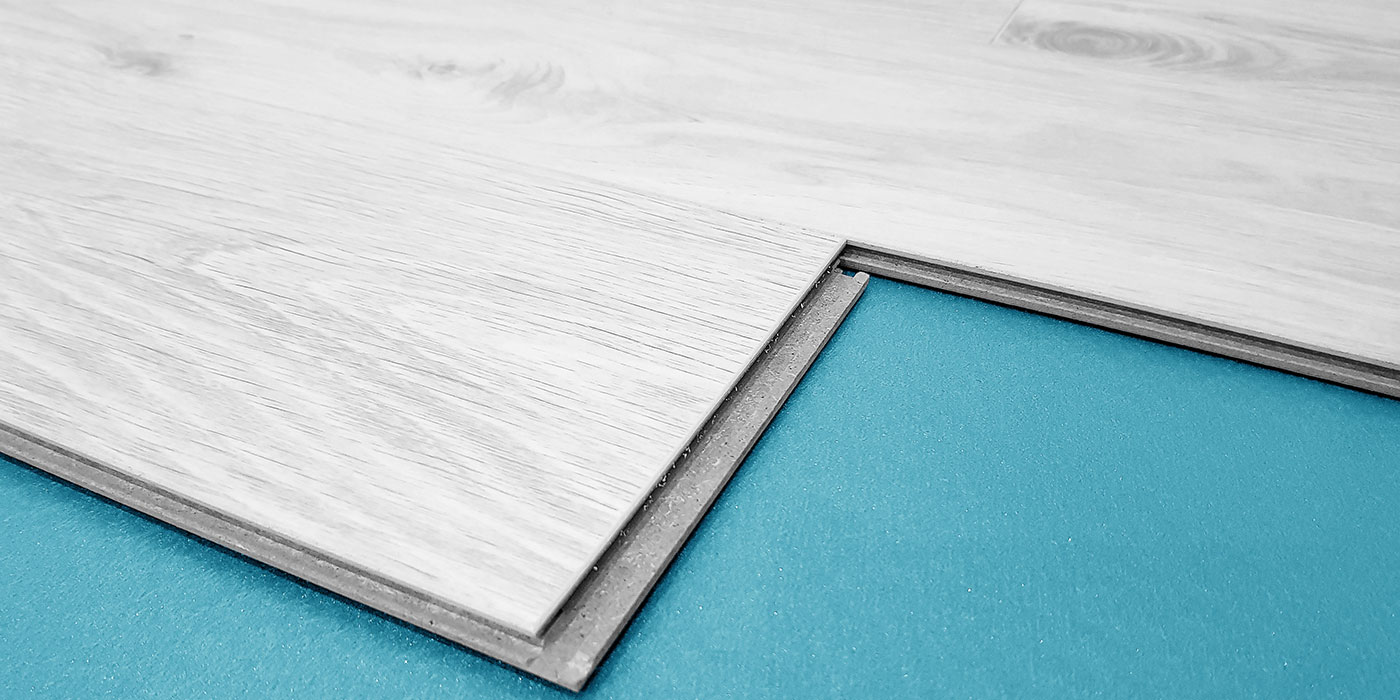
It may not be on every homeowner’s radar, but standard plank sizes are quickly becoming a thing of the past. Extra-wide (5-12 inches) and longer boards are now in high demand, particularly in engineered hardwood and LVP.
Homeowners will love wider and longer planks for their ability to create a cleaner, more expansive look. They also reduce visual clutter and seams, which work exceptionally well in open-concept layouts, common in Canadian homes.
Timber Tip
Wide and long planks can be less forgiving than smaller boards, so your subfloor must be levelled appropriately and prepared with precision! Giving a bit of extra attention to your subfloor can help prevent issues such as gapping, movement, or squeaks.
4. Pattern Play: Herringbone & Chevron
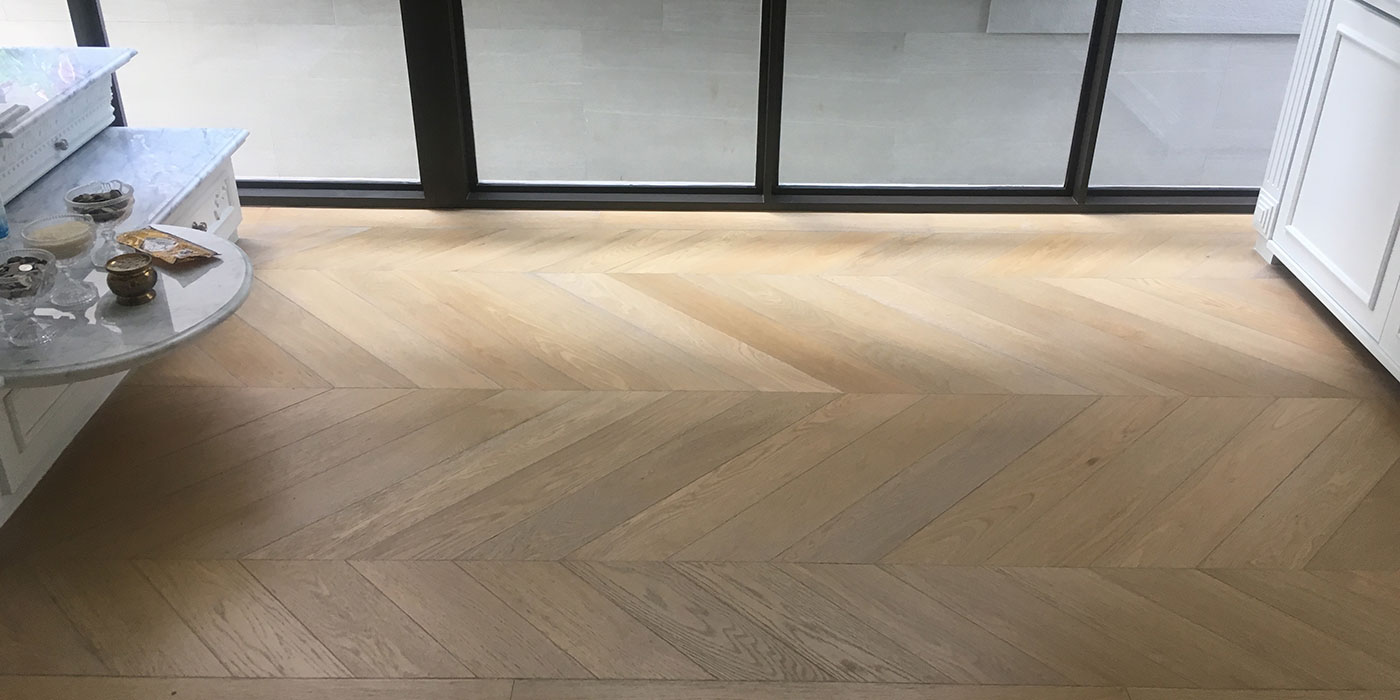
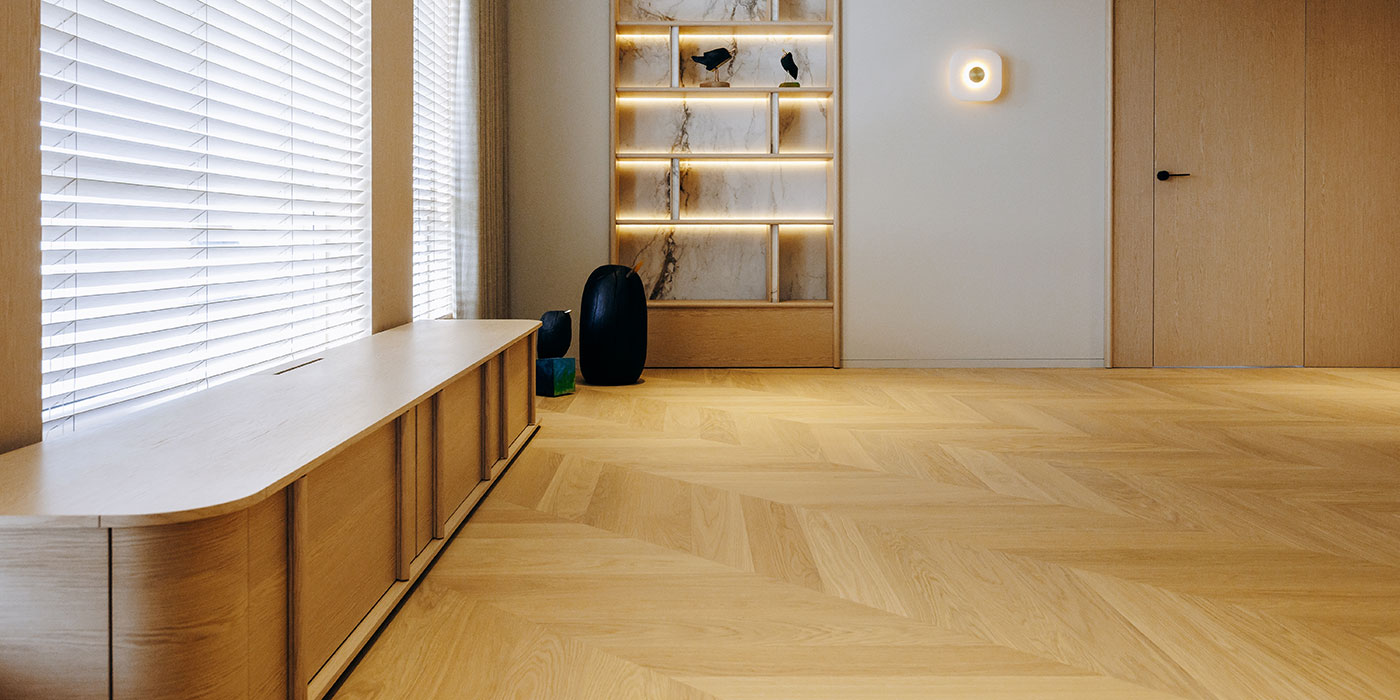
Floor patterns are moving into the foreground of the overall design conversation, with classic styles like herringbone and chevron leading the charge. These patterns are being used thoughtfully to add texture and movement without feeling overdone.
Large-scale wood patterns in entryway or living areas can create an instant statement, while subtle geometric tile patterns in matte porcelain are popular in powder rooms, foyers and kitchen “rug zones.” These designs offer a high-end, custom look without overwhelming the space.
Timber Tip
Use patterned flooring strategically! Limiting herringbone or chevron to defined zones will help you control your costs while maximizing visual interest.
5. Matte and Distressed Finishes
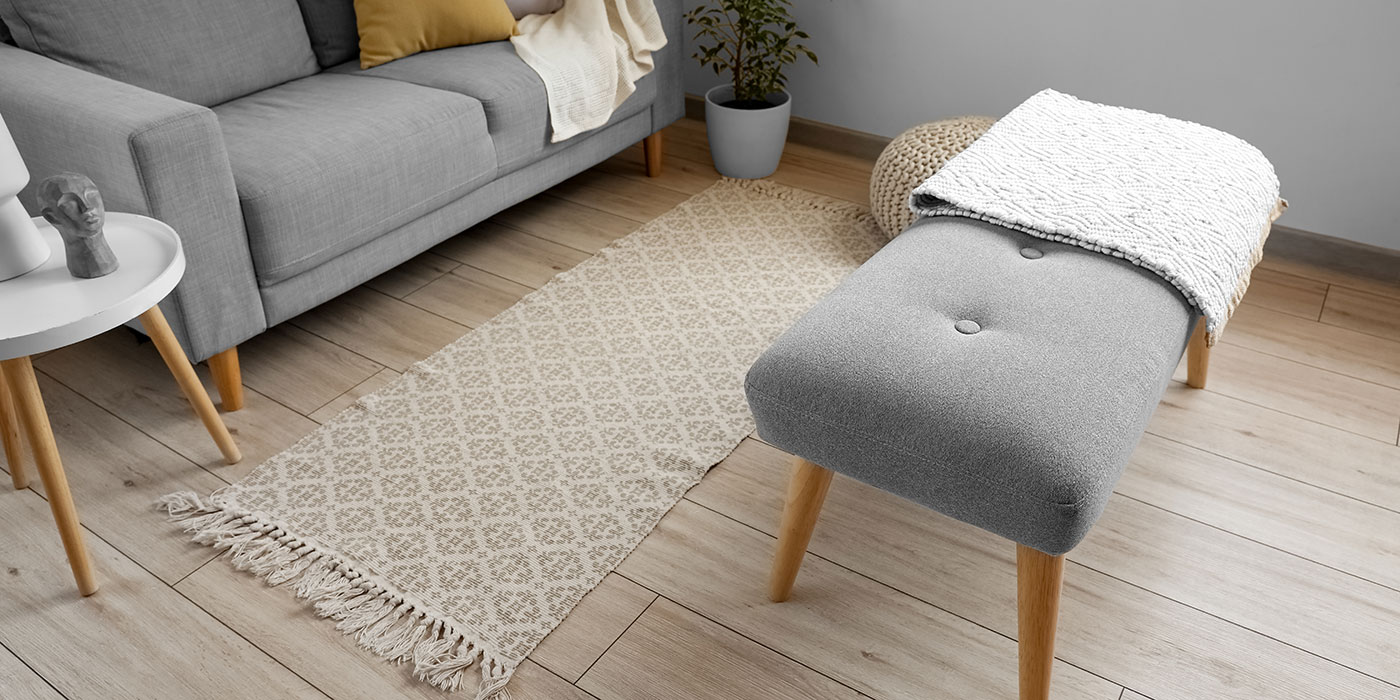
Once the belle of the ball, high-gloss floors have fallen out of favour. They’re being replaced by finishes that feel more natural and forgiving, such as ultra-matte, wire-brushed, oil-finished, and lightly distressed surfaces.
In addition to their aesthetic appeal, these finishes are practical. Homeowners will love that they hide everyday dust, footprints and minor scratches far better than glossy surfaces.
Timber Tip
While these practical finishes are ideal for busy households, pets and active family life, they still require the right care and cleaner. In general, avoid harsh chemicals on your future matte and wire-brushed floors to preserve the finish and extend its lifespan.
6. The Rise of Low-VOC & Sustainable Materials
Now that we’ve covered aesthetic and functional trends, it’s time to turn our attention to the ways sustainability is influencing flooring decisions across Canada. Homeowners are increasingly seeking materials that support healthier indoor air quality and reduce environmental impact.
Popular options include FSC-certified wood, reclaimed lumber, cork and bamboo, along with products finished using low-VOC (short for Volatile Organic Compound) coatings. For homeowners with kids and pets, these materials align with eco-conscious values and contribute to cleaner, healthier living environments.
Timber Tip
Look for third-party certifications like FSC® or FloorScore® when shopping sustainably. They offer added assurance around sourcing and indoor air quality!
7. Concrete Flooring Rejuvenation with Paint
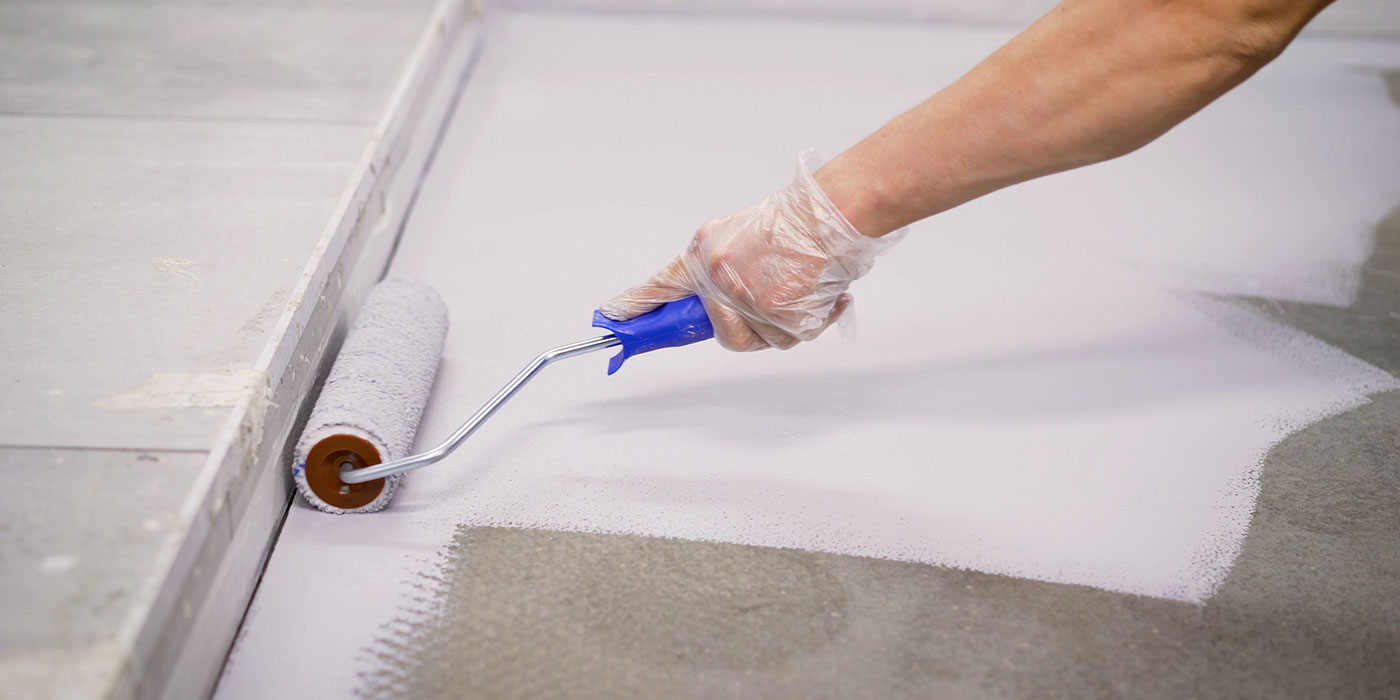
Do you have tired surfaces in your home, but a lower budget? Durable floor paint is becoming a smart and budget-friendly way to refresh this year! Specialized coatings can transform concrete basements, laundry rooms and older decks or porches. This rejuvenation with paint can create a moisture-resistant finish that delivers style, without the need for a full replacement!
If you’re looking for something more custom, stencilled or block-style patterns can be added for some additional interest.
Timber Tip
Not all paints are created equal! Always use flooring- or concrete-specific paint systems and follow proper prep steps to ensure durability and adhesion.
8. Specialized Flooring for Functional Zones
Dedicated home spaces require dedicated flooring, geared to specific performance needs. For example:
- Home gyms: Resilient rubber or padded vinyl for shock absorption and noise reduction
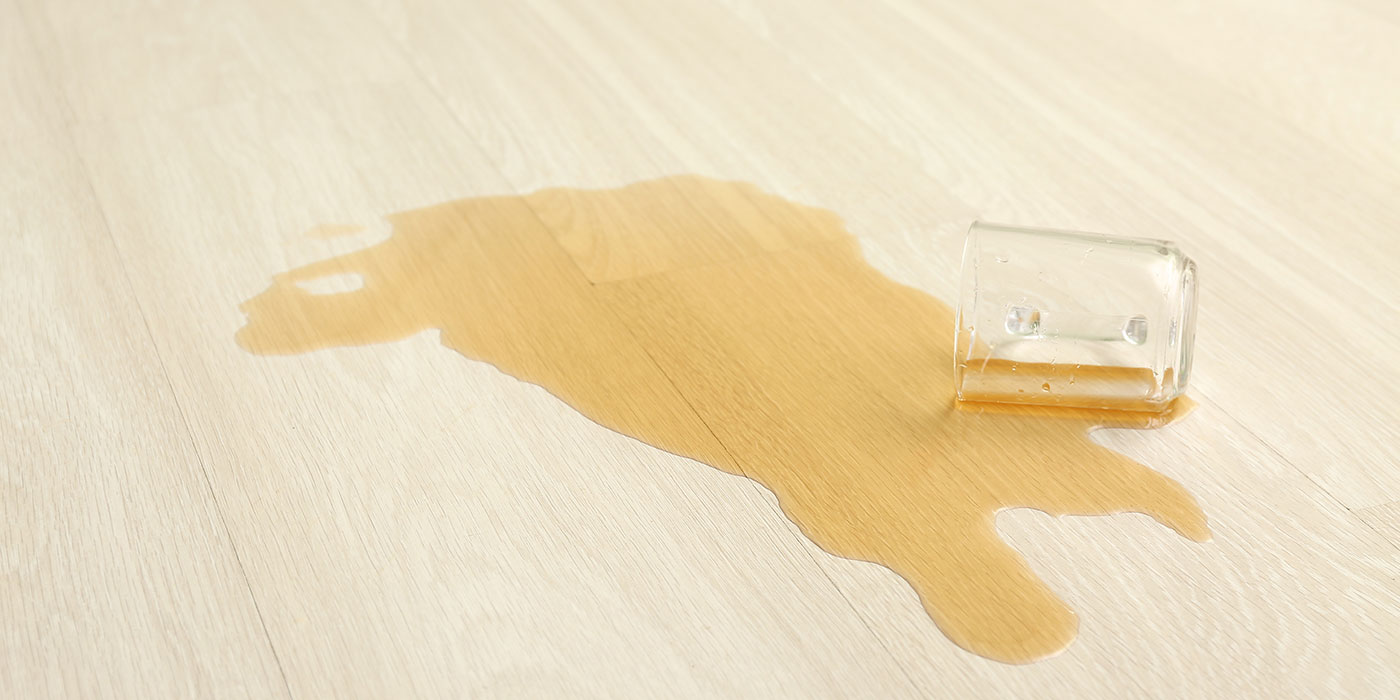
- Mudrooms & pet zones: Waterproof, scratch-resistant LVP or laminate
- Basements: Moisture-resistant flooring designed for fluctuating temperatures in basements
- Garages & utility areas: Industrial-strength epoxy coatings for durability and easy cleaning
Timber Tip
Advanced waterproof laminates and high-quality LVP now deliver realistic wood and stone visuals, without the worry of seasonal moisture or wear!
Planning a flooring update in 2026? A TIMBER MART expert can help you navigate the latest materials, finishes and technologies, ensuring your flooring choices look great and perform well for years to come!