A beautiful exterior means very little if the house underneath struggles with drafts, trapped moisture or long-term wear from Canadian weather. Today’s exterior renovations are about more than curb appeal; they’re about building a complete protective envelope that helps homes stay warmer, drier and more resilient year-round.
The reality is that siding alone doesn’t protect a home. True performance comes from the layers installed beneath the surface, from moisture barriers and fire-rated sheathing to properly sealed joints and durable cladding.
When these systems work together, the result is a home that not only looks refined and modern, but also performs better through harsh winters, humid summers and everything in between. Here are five ways to ensure your home’s exterior is built to last.
1. Wrap Your Home In A High-Performance Weather Barrier
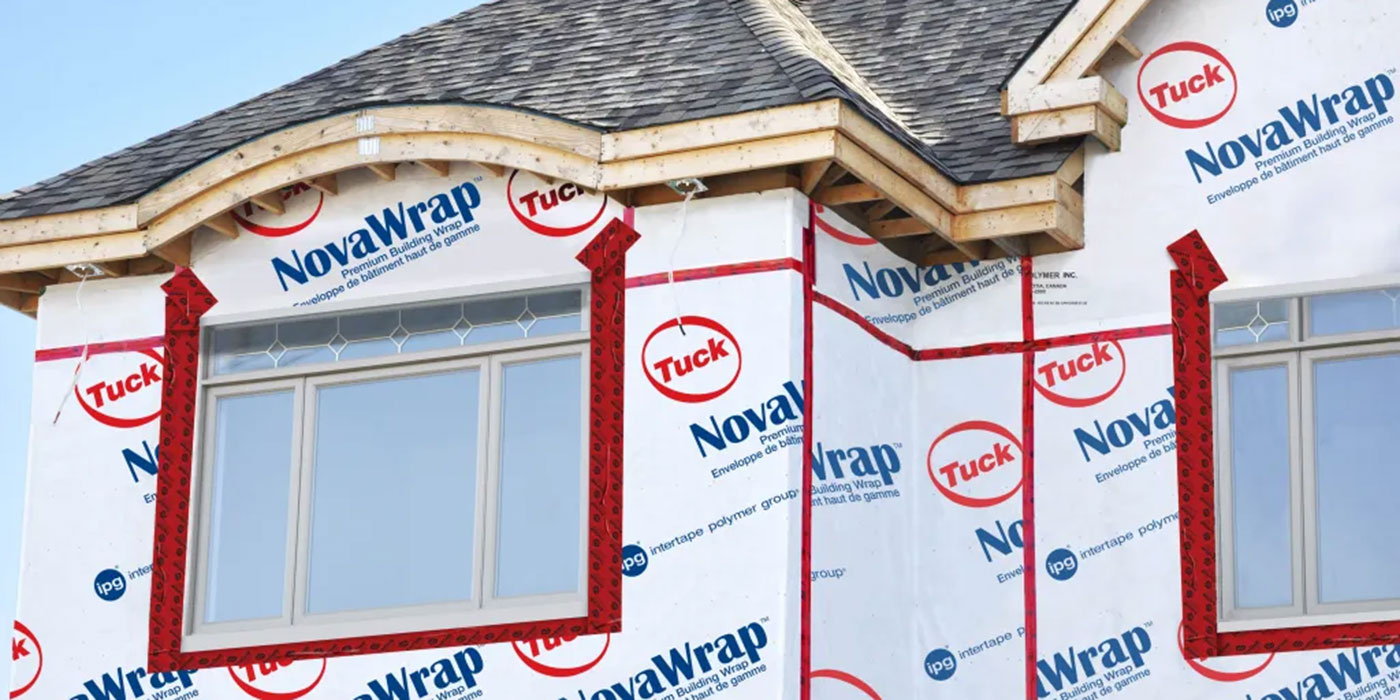
Every durable exterior starts with protection beneath the siding. Before cladding is installed, the home needs a weather barrier that blocks wind and moisture while still allowing the structure to breathe.
Tuck NOVAWRAP and Tuck NOVAFLASH help create that protective layer, acting almost like a high-performance windbreaker around the home. Together, they help reduce drafts, improve energy efficiency and protect against moisture infiltration that can eventually lead to mold or structural deterioration.
In a Canadian climate, where freeze-thaw cycles and wind-driven rain are constant challenges, that added protection makes a major difference in long-term performance and comfort.
Timber Tip
Sealed housewrap seams and correctly lapped flashing around windows, doors and penetrations help block air leaks and prevent water from getting behind the siding, reducing heat loss and hidden moisture damage.
2. Start With A Strong, Moisture-Resistant Foundation
A high-performance exterior also depends on what sits behind the weather barrier. The substrate beneath the siding needs to stay stable, resist moisture and support clean, consistent finishes over time.
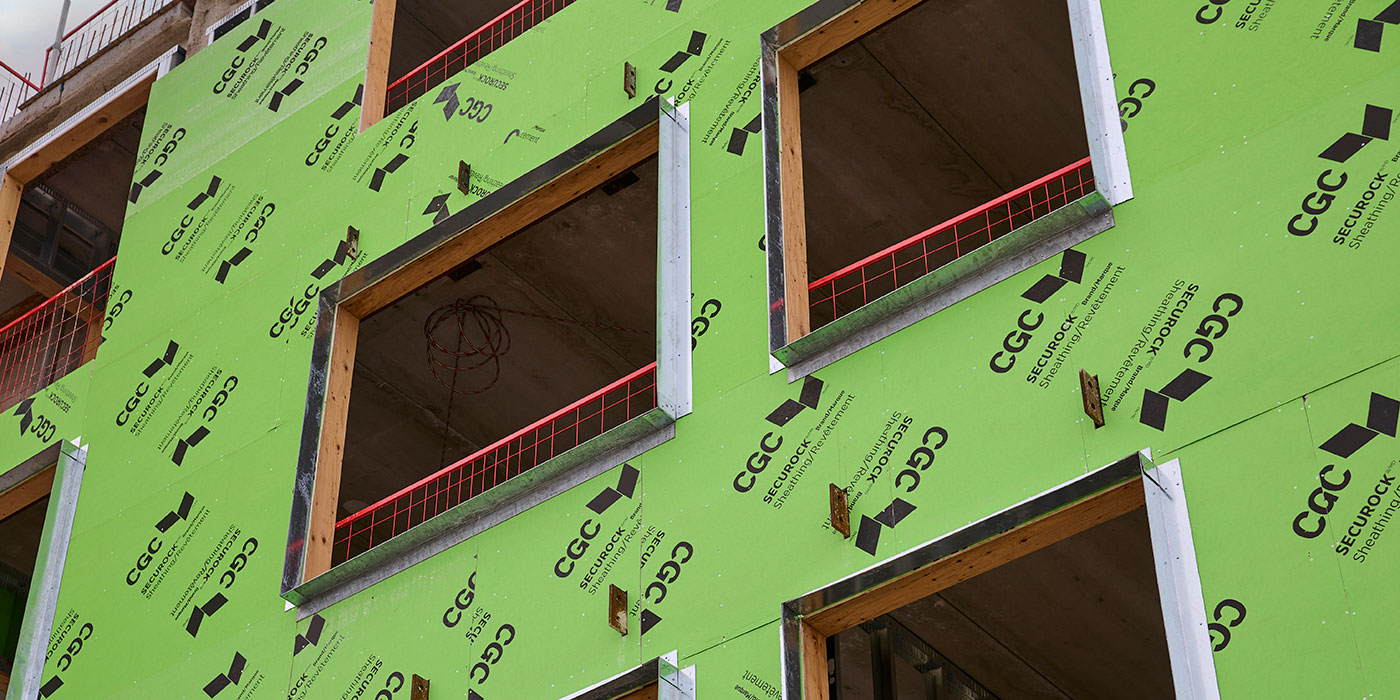
CGC Securock® UltraLight Glass-Mat Sheathing provides a lightweight, moisture-resistant foundation that helps create a flatter, more durable exterior surface. Unlike traditional materials that may deteriorate with prolonged moisture exposure, it’s designed to resist rot and maintain structural stability through changing Canadian seasons.
That stability becomes especially important in modern exterior designs where crisp lines and flawless finishes are part of the overall aesthetic.
Timber Tip
A rigid, moisture-resistant substrate is what keeps modern siding looking sharp. Without it, minor movement in the wall assembly can show as waviness, uneven joints or subtle surface distortions over time.
3. Build Fire-Resistance Into The Exterior System
More homeowners are thinking beyond aesthetics and prioritizing long-term resilience and safety in their exterior renovation plans.
CGC Securock® UltraLight Glass-Mat Sheathing (Firecode® X) adds a fire-rated layer beneath the siding, helping strengthen the home’s overall exterior assembly while still resisting moisture and maintaining durability.
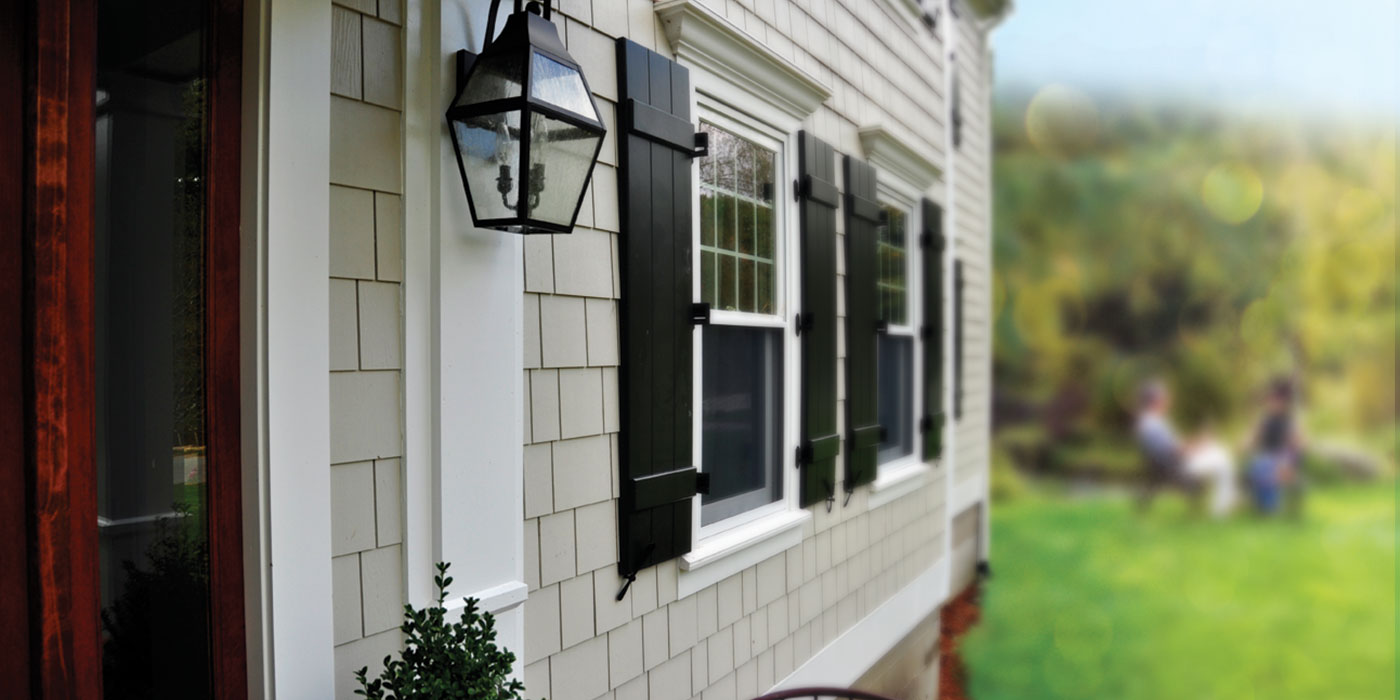
That added protection pairs naturally with Hardie Fiber Cement Siding by James Hardie. Because it’s engineered from cement and cellulose, it’s completely non-combustible and won’t ignite when exposed to direct flame or heat. At the same time, it delivers the high-end architectural look that homeowners want, especially in modern designs featuring bold board-and-batten profiles, dark colour palettes, and mixed-material facades.
Timber Tip
Real exterior protection is layered. Fire-rated sheathing underneath and non-combustible siding on top work together to slow flame spread, resist moisture damage, and strengthen the home’s overall envelope.
4. Seal The Small Details
Even the strongest exterior materials can fail if gaps around windows, doors and utility penetrations are left exposed. These transition points are often where drafts and moisture intrusion begin.
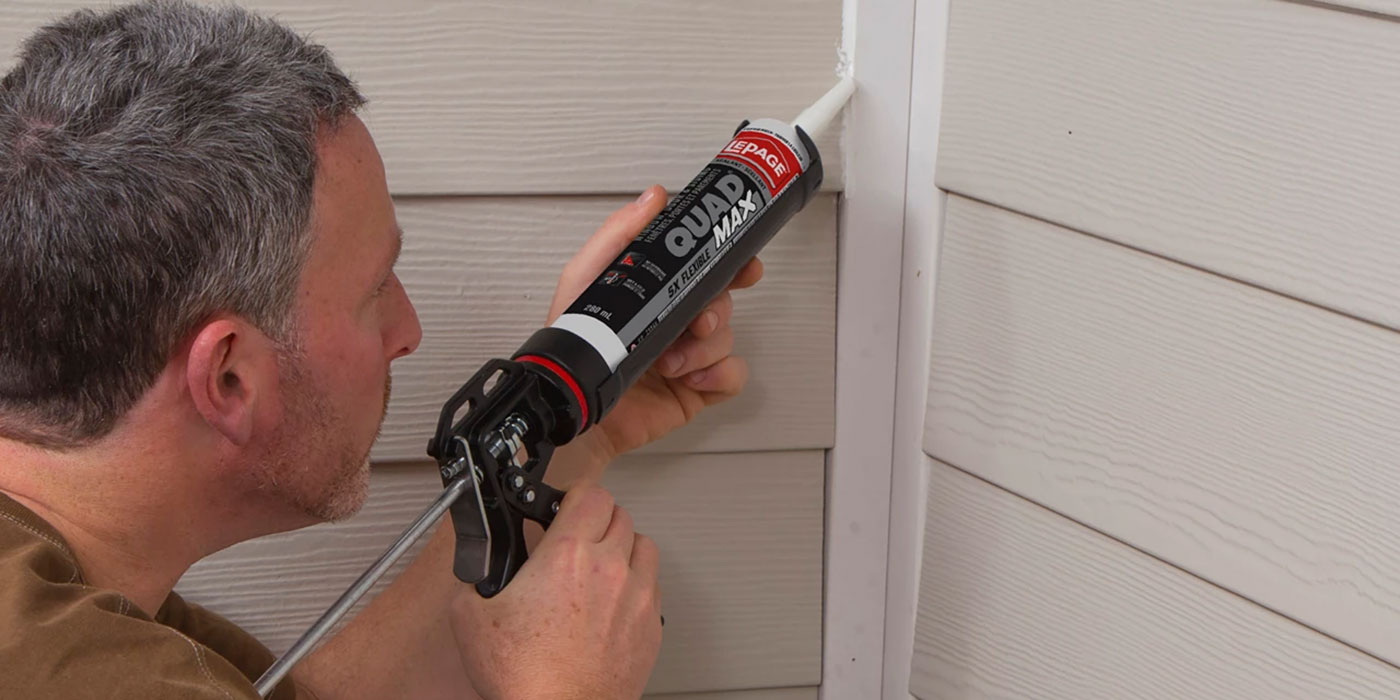
LePage QUAD MAX WHITE helps seal those vulnerable areas, creating a more complex exterior envelope that resists rain, air leaks and UV exposure. This flexibility is especially important in Canada, where materials constantly expand and contract through changing temperatures.
Proper sealing helps maintain both performance and appearance over time.
Timber Tip
Small gaps around windows, doors and vents can let moisture in and spread behind the siding over time. Seal all penetrations to protect the full exterior system.
5. Finish With Durable, Architectural-Grade Siding
The final layer of the exterior needs to deliver both performance and curb appeal. Homeowners are increasingly looking for materials that maintain their appearance while standing up to harsh weather with minimal maintenance.
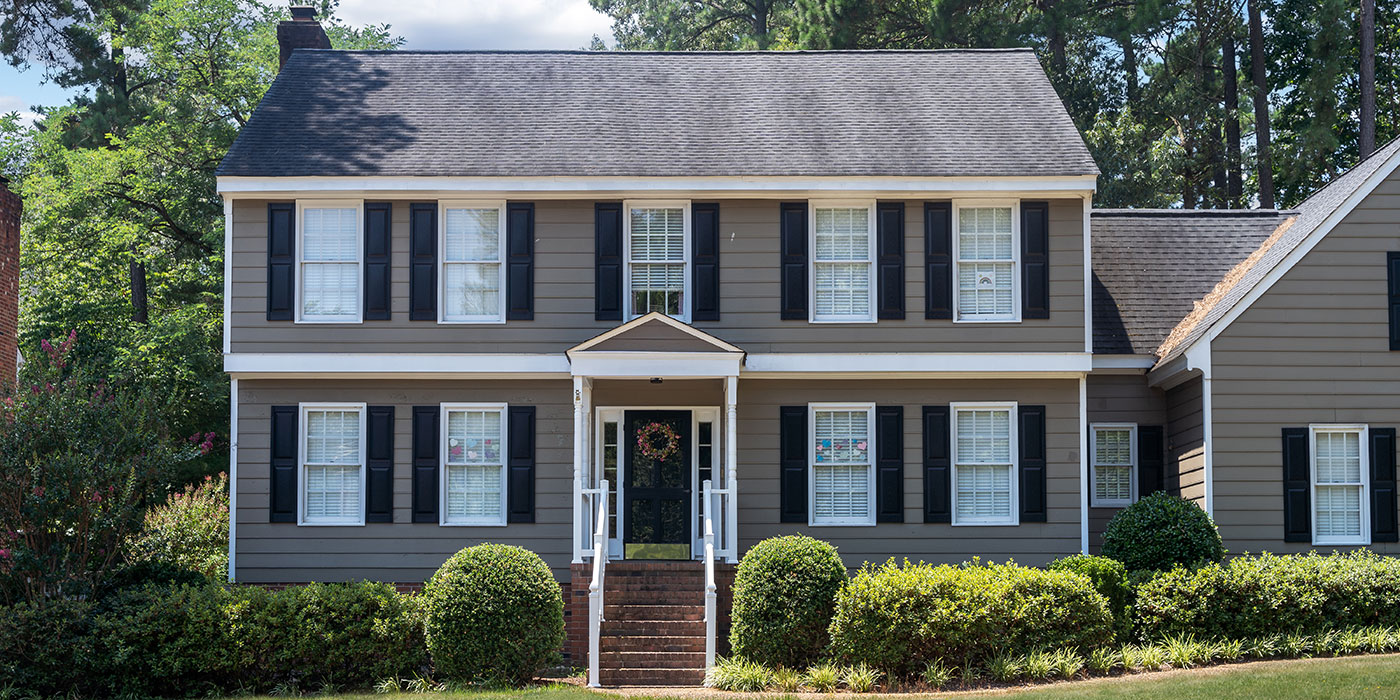
Hardie Fiber Cement Siding by James Hardie continues to stand out for its combination of durability and design flexibility. Its rigid composition helps maintain crisp, clean lines while resisting rot, moisture damage and UV exposure. It also complements many of today’s popular exterior trends, including moody colour palettes, vertical siding profiles and mixed-texture facades.
The result is an exterior that feels modern, durable and designed for long-term performance in Canadian conditions.
Timber Tip
Darker siding colours and crisp vertical profiles look best when paired with rigid, low-maintenance materials that resist fading, swelling and seasonal movement over time.
A high-performing exterior is about more than curb appeal. The strongest homes are built layer by layer, combining moisture control, structural durability, fire resistance, and long-lasting finishes into a complete system designed for Canadian conditions. Your local TIMBER MART team can help you choose the right materials for every stage of the build, delivering an exterior for both long-lasting performance and curb appeal.