Exterior design across Canada is entering a new era. Roofing and siding are no longer being chosen solely for durability or resale value. Instead, homeowners are approaching the exterior of the home with the same level of creativity and personalization traditionally reserved for interiors.
From dramatic colour palettes to layered materials and climate-conscious construction, today’s design direction is focused on creating homes that feel distinctive, enduring and deeply connected to their surroundings. Here are seven roofing and siding trends shaping Canadian homes in 2026.
1. Moody Exteriors Balanced With Natural Warmth
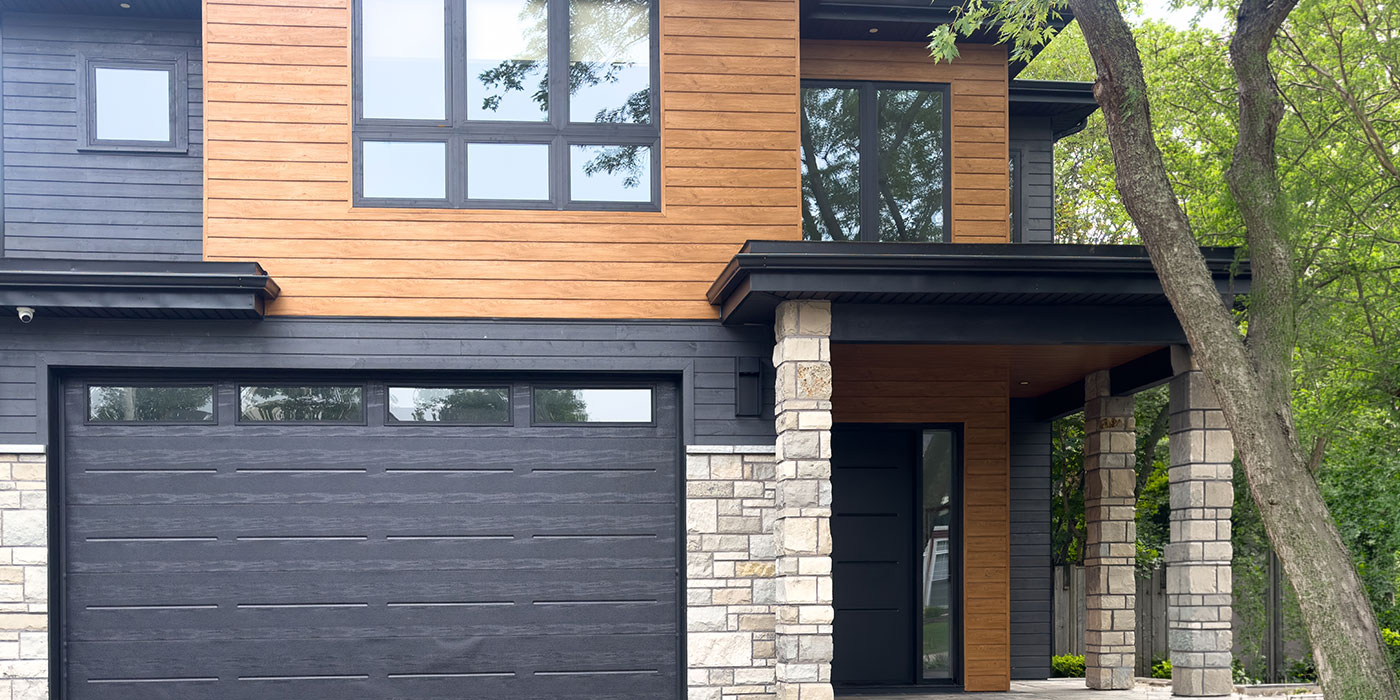
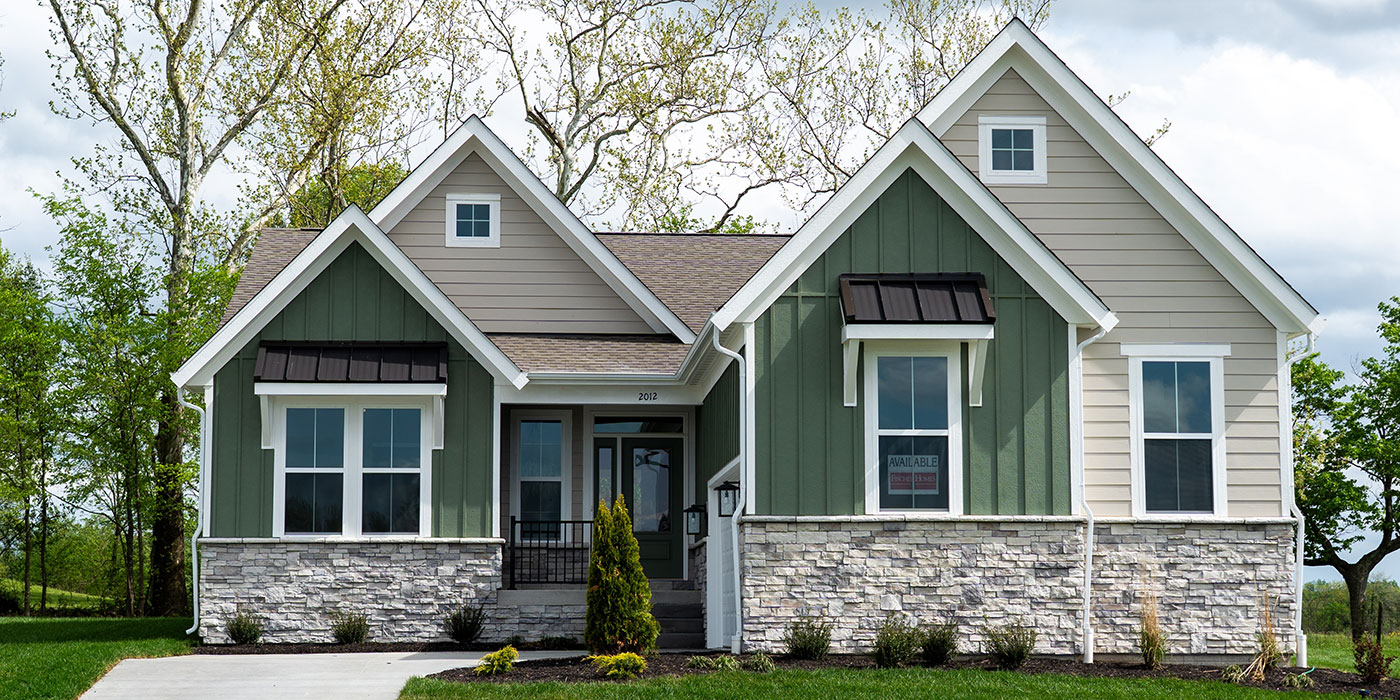
Neutral gray exteriors are beginning to give way to richer, more atmospheric palettes. Deep charcoal, inky blues, forest greens and matte black finishes are becoming increasingly popular for homeowners looking to create a bold, modern exterior presence.
These darker shades bring a sense of sophistication and contrast beautifully with Canada’s changing seasons, from bright snowy winters to vibrant summer landscapes. The overall effect feels dramatic yet refined, giving homes a more architectural and custom-built appearance.
To balance these darker tones, many homeowners are incorporating natural wood textures and warm organic finishes throughout the facade. Timber accents, cedar cladding and stained wood details help soften sharp architectural lines while adding warmth and visual texture.
Whether applied to a full lakeside exterior or used selectively around entryways and soffits, wood elements create a stronger connection to nature while helping the home feel more inviting and grounded.
Timber Tip
Dark exteriors work best when layered with warmth and texture. Pair deeper siding colours with wood accents, or a neutral stone facade to create visual balance and prevent the exterior from feeling overly cold or flat.
2. Layered Siding And Mixed Exterior Materials
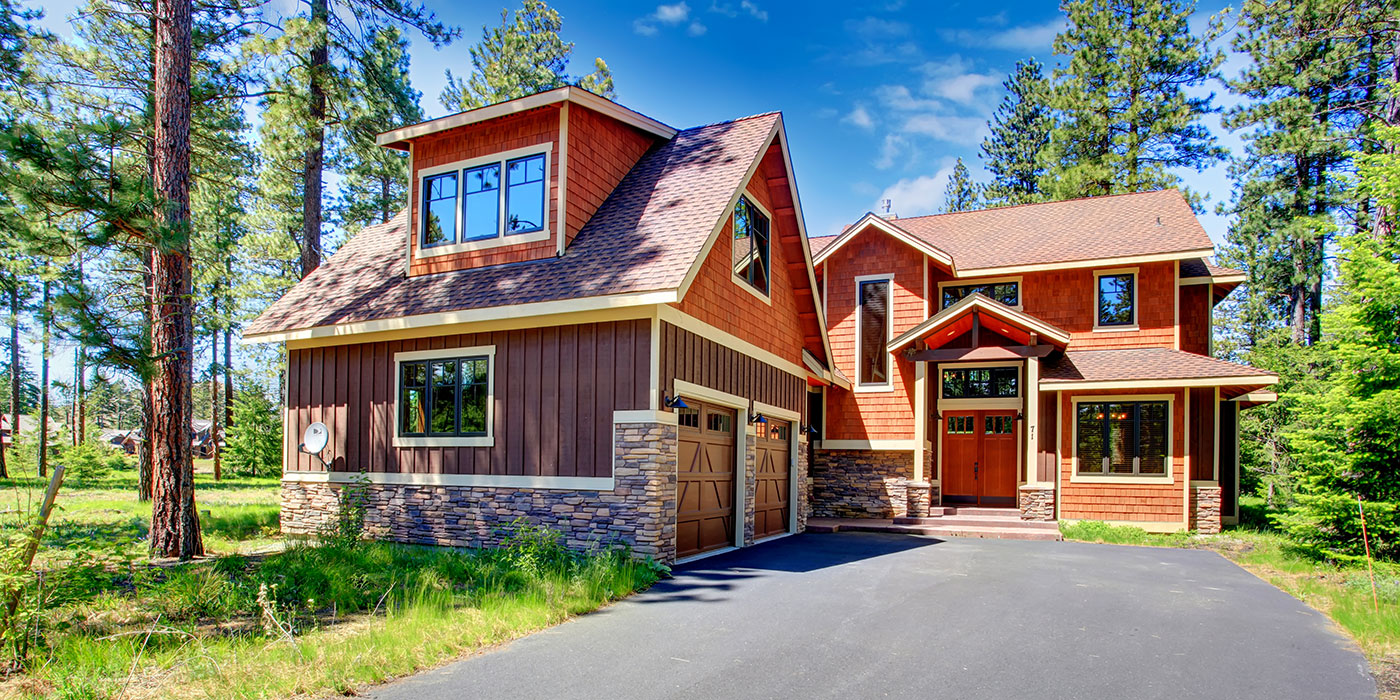
Flat, one-dimensional facades are becoming less common as homeowners gravitate toward more layered and visually dynamic exterior designs. Mixed siding styles, profiles and textures are helping homes feel more customized and architecturally interesting.
Vertical board-and-batten siding continues to gain momentum, particularly in modern farmhouse and Scandinavian-inspired designs. The vertical orientation naturally emphasizes height, helping smaller homes feel taller while adding a crisp, clean rhythm to larger facades.
Horizontal siding is also evolving. Wider plan profiles are replacing narrower traditional styles, creating stronger shadow lines and a more contemporary, substantial appearance.
Timber Tip
To keep your layered siding and mixed exterior materials looking intentional, we recommend using different tones of siding, combined with a stone facade to break up walls and draw attention to specific architectural elements. This layered approach adds depth and variety while allowing homeowners to highlight key features, such as entryways, garage projections, or upper-level additions.
3. Bold Architectural Rooflines
Roofing is becoming increasingly integrated into the home’s overall design language. Rather than fading into the background, roofs are now being designed to contribute texture, dimension and architectural character.
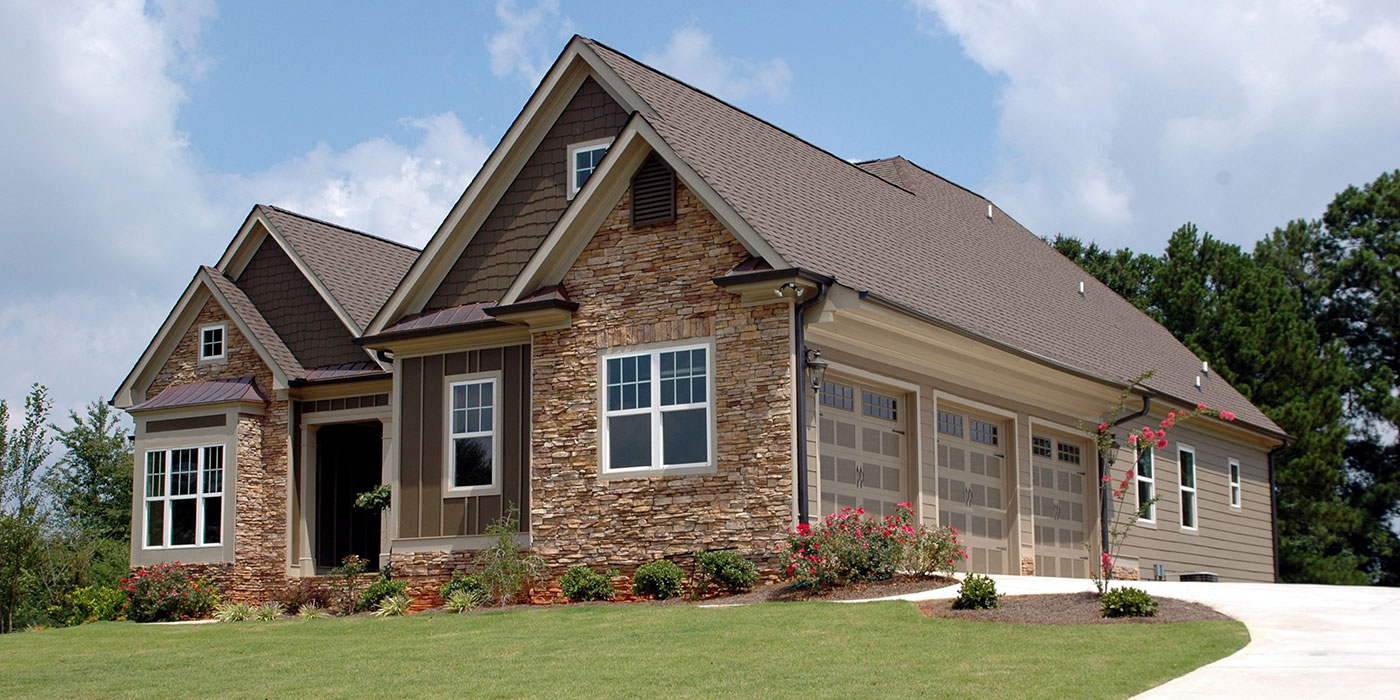
Dimensional roofing materials inspired by slate or heavy wood shakes are becoming increasingly desirable for their ability to create visual depth and curb appeal. These textured surfaces help anchor the home visually while complementing the overall siding palettes.
Homeowners are also experimenting with combining roofing styles and materials across different sections of the home. For example, standing-seam metal roofing may be used over porches, dormers, or covered outdoor spaces, while dimensional shingles provide texture and consistency across the primary roof structure.
This contrast adds visual interest while helping larger roof expanses feel more balanced and refined.
Timber Tip
Roofing should feel connected to the rest of the exterior rather than isolated from it. Coordinating roof tones with the trim or accent materials, such as facade, helps create a more cohesive, elevated overall design.
4. The "Invisible" Climate-Resilient Envelope
Alongside aesthetic upgrades, there’s a growing emphasis on building smarter, more resilient homes beneath the surface. Homeowners are placing greater importance on exterior systems that improve durability, energy efficiency and protection against Canadian weather conditions.
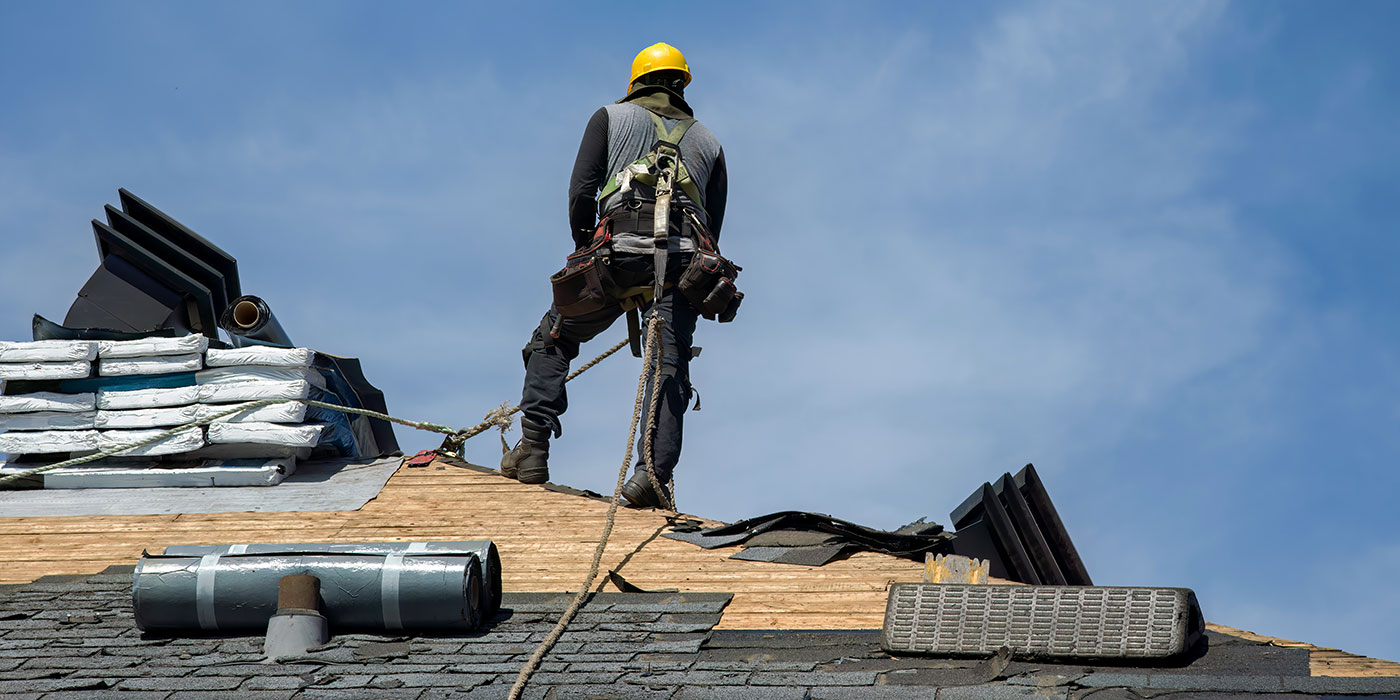
High-performance weather barriers, advanced moisture protection and fire-resistant materials are becoming a larger part of renovation and new-build conversations. This shift reflects a practical mindset: homeowners want exteriors that not only look polished, but also stand up to freezing temperatures, moisture fluctuations, strong winds and long-term wear.
The focus is increasingly on creating homes that feel secure, efficient and built for longevity without sacrificing visual appeal.
Timber Tip
Exterior finishes perform best when supported by proper installation and quality underlying materials. Investing in the structure behind the siding and roofing can help preserve both appearance and performance over time.
5. High-Contrast Trim & Framing
Exterior trim is taking on a more intentional role in modern home design. Bold framing around windows, doors and rooflines is being used to sharpen architectural details and create a cleaner, more finished appearance.
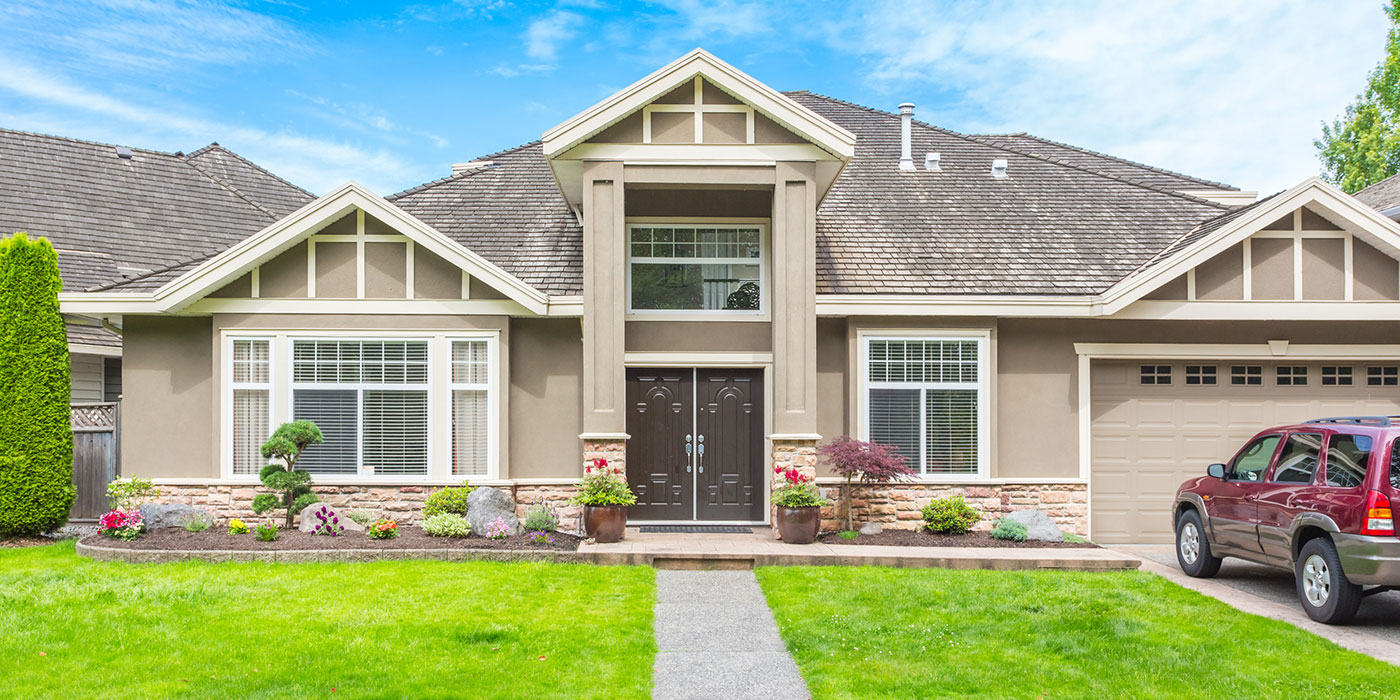
While high-contrast black-and-white exteriors remain popular, many homeowners are gravitating toward softer, warm combinations that feel more timeless and approachable. Creams, warm taupes, mushroom tones and muted grays are being paired with deeper siding colours to create contrast that feels subtle and sophisticated.
This softer palette works particularly well in established neighbourhoods where homeowners want to modernize their exterior without creating a look that feels overly stark or trend-driven.
Timber Tip
Consistency matters when using contrasting trim. Repeating similar trim colours and proportions throughout the exterior helps create a more balanced and cohesive final look.
6. Seamless Indoor-Outdoor Flow & Statement Entry Ways
The separation between indoor and outdoor living continues to shrink. Homeowners are increasingly designing exterior spaces that feel visually connected to the interior through coordinated materials, colours and architectural details.
Siding finishes are being extended into covered porches, sunrooms and outdoor kitchens to create smoother transitions between spaces. Interior-inspired elements like warm wood tones, matte black accents and layered textures are also influencing exterior material selections. This approach helps the entire property feel more unified and thoughtfully designed.
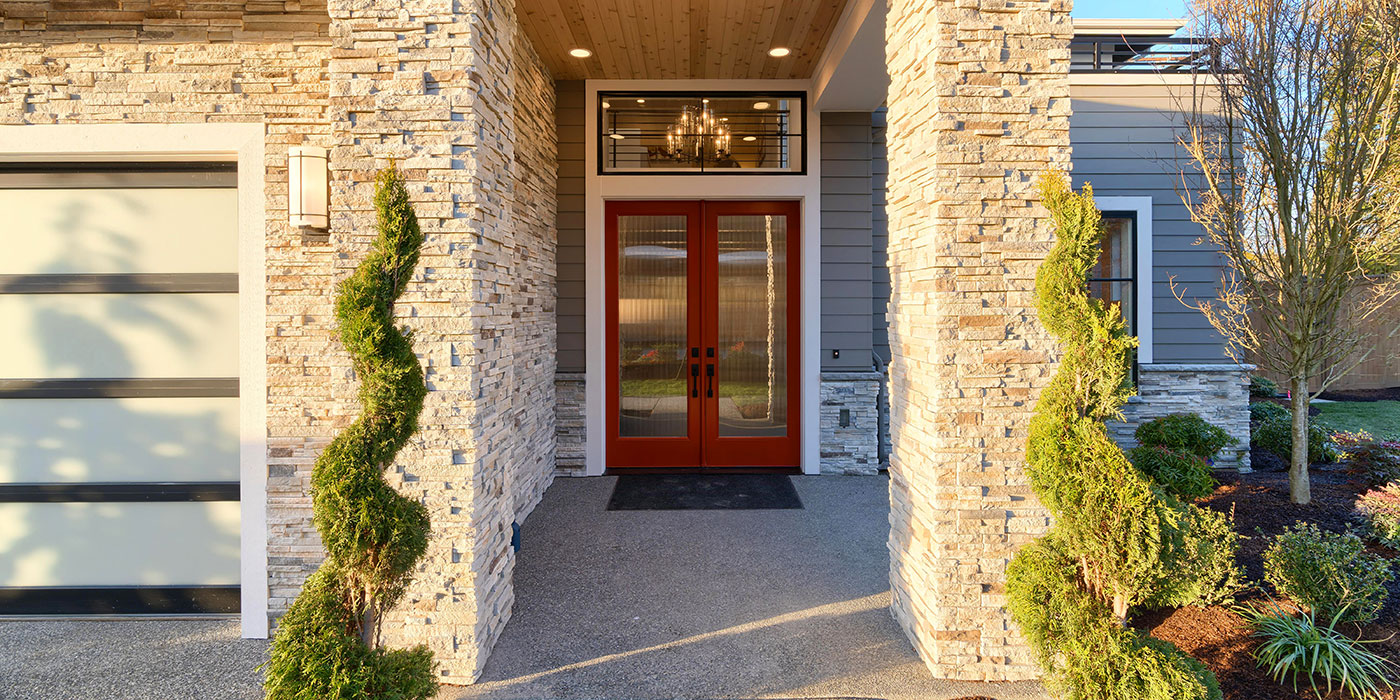
Front entrances are also receiving far more attention than in previous years. Recessed entryways wrapped in textured wood, architectural panels or premium cladding materials are becoming standout focal points that create warmth and visual interest before guests even step inside.
Mixed siding applications are especially effective in these areas, helping define entrances while adding contrast and architectural depth throughout the facade.
Timber Tip
Highlighting one key architectural feature, such as the front entrance or porch areas, can create a stronger overall impression than trying to emphasize every section equally.
7. Minimalist, Flawless Finishes with Minimal Maintenance
Minimalist exterior design continues to influence modern renovations and new construction, but homeowners are expecting more than just clean aesthetics. There’s growing demand for exteriors that maintain crisp lines and polished finishes with minimal ongoing upkeep.
Visible waviness, cracked seams and weathered joints can quickly disrupt a modern design, which is why installation quality and material stability are becoming increasingly important.
Homeowners are prioritizing finishes that retain their appearance through seasonal temperature changes, moisture exposure and years of everyday wear.
At the same time, low-maintenance living remains a major priority. Canadians want to spend more time enjoying the warmer months, not constantly maintaining their exterior. The result is a growing preference for durable, long-lasting materials and streamlined designs that stay looking fresh with less effort over time.
Timber Tip
Crisp exterior lines start beneath the surface. Rigid substrates and premium sealants help prevent waviness, cracking and shrinking over time, keeping modern exteriors looking clean and consistent through changing Canadian seasons.
As these trends continue to evolve, roofing and siding are becoming essential elements in shaping the identity of the modern Canadian home. Exterior design is moving toward a more intentional balance of warmth, performance and architectural character.
Whether through layered materials, dramatic rooflines or nature-inspired textures, today’s homes are being designed to feel timeless, resilient and uniquely personal from the very first impression.