
New windows can completely transform a home. They improve curb appeal, bring in more natural light and create a more comfortable living space. But when it comes to energy efficiency, the biggest benefits aren’t always visible from the outside.
A window’s performance is determined by what’s built into the system, from the glass package and coatings to the frame materials, spacers and installation details. In a Canadian climate, where homes need to withstand freezing winters, temperature swings and moisture challenges, choosing the right window technology matters.
The most energy-efficient windows aren’t just choosing the right style or colour or following a trend. They’re about understanding what’s behind the glass and ensuring every part of the installation works together to create a tighter, more comfortable home.
Here are the key features to look for when choosing high-performance windows built for Canadian conditions, to ensure lower hydro bills and a draft-free home!
1. Start With The ENERGY STAR® Label
When comparing windows, the first place homeowners should look is the ENERGY STAR® certification label. It’s a simple way to identify products that have been independently tested and verified for energy performance.
For Canadian homes, ENERGY STAR® certification helps ensure a window meets strict efficiency standards tailored to our climate. Homeowners in regions with colder winters should also look for products with the Most Efficient designation, which highlights some of the highest-performing options available.
A certified window is a strong starting point, but understanding the ratings behind that label helps you make the right choice for your specific home.
Timber Tip
Not all windows (or window types) are ENERGY STAR certified. Some manufacturers may have fixed windows that are ENERGY STAR certified, but their single-hung or double-hung casements are not. Ordering windows with frosted glass, particularly common in bathrooms, can also disqualify them from ENERGY STAR certification. Although ENERGY STAR windows are important (offering about 20% more energy efficiency), depending on the room, other factors may influence the final decision for each window in your home.
2. Understand The Numbers Behind Window Efficiency
Window labels can include a lot of technical information, but two ratings are especially important when evaluating efficiency: U-Factor and Energy Rating (ER).
The U-Factor measures how easily heat passes through a window. A lower number means the window is better at slowing heat loss, helping keep warm air inside during the winter months.
The Energy Rating (ER) is a Canadian-specific measurement that considers multiple factors, including heat loss, solar gain and air leakage. A higher ER rating indicates better overall performance.
For homeowners looking to maximize efficiency, look for windows with a low U-Factor and a strong ER rating that aligns with Canadian climate demands.

Timber Tip
Don’t choose a window based on style alone! Even the most beautiful frame won’t make up for poor thermal performance. Always prioritize high efficiency to ensure long-term comfort and savings.
Pay attention to the balance between U-Factor and ER: a window with strong ratings can help reduce cold spots near glass, improve indoor comfort and maintain more consistent temperatures throughout your home.
3. Look Beyond The Glass With Triple-Pane Technology
The glass itself plays a major role in window performance. While double-pane windows remain common, triple-pane glazing has become the preferred choice for homeowners looking for maximum efficiency and comfort.
Triple-pane windows use three layers of glass to create two insulating chambers between panes. These additional layers help reduce heat transfer, improve temperature consistency near windows and even reduce outside noise.
The glass package becomes even more effective when combined with advanced technologies like Low-E coatings and gas fills. Low-emissivity coatings are invisible layers that help reflect indoor heat back into the home, while Argon or Krypton gas between the panes provides additional insulation.
Together, these technologies create a stronger barrier against winter cold and summer heat.
Timber Tip
A window is more than the glass you can see. The powerful combination of glazing layers, coatings and insulating gases will ultimately determine how well the entire unit performs, so talk with an expert if you’re unsure!
4. Choose A Frame Design For Canadian Conditions
A high-performance glass package needs an equally high-performing frame. The frame material surrounding the glass affects insulation, durability and how well the window maintains its performance over time.
Fibreglass frames offer excellent strength and stability, helping resist warping, cracking and seasonal movement. Multi-chambered vinyl frames improve insulation by trapping air within the frame structure, while thermally broken aluminum frames use insulating barriers to reduce heat transfer through the metal.
The right frame choice depends on your home’s design, climate and performance goals—but the goal remains the same: creating a durable barrier between you and the outdoors.

Timber Tip
The strongest window systems are built with every component working together. A premium glass package needs a quality frame to deliver its full performance potential.
5. Proper Installation Is Vital
Performance starts before the window goes in! Even the most energy-efficient window can underperform if it isn’t installed properly. The space around the window opening is just as important as the window itself in preventing drafts, moisture intrusion, and energy loss.
A successful replacement starts with accurate measurements and careful preparation. The Makita Tape Measure helps ensure rough openings are properly sized before installation begins, while the 40Vmax XGT Brushless Reciprocating Saw provides the cutting power needed for removing old framing and preparing openings.
For larger structural adjustments, the Makita 40Vmax XGT Brushless 6-1/2″ Circular Saw w/AWS delivers clean, precise cuts when modifying sheathing or sizing materials for a proper fit.
Timber Tip
A window’s efficiency rating assumes proper installation. A poorly sealed opening can compromise performance, no matter how advanced the window technology is.
6. Build A Weather-Resistant Seal
Now it’s time to protect your investment! Once the opening is prepared, protecting it from moisture and air infiltration becomes critical. In Canadian climates, snow, rain and freeze-thaw cycles can put significant stress on window openings.
Tuck Tape® EvoFlash helps create a high-performance weather barrier around window installations. Its strong adhesion and all-weather durability help seal vulnerable areas like sills and jambs, directing moisture away from the home’s structure.
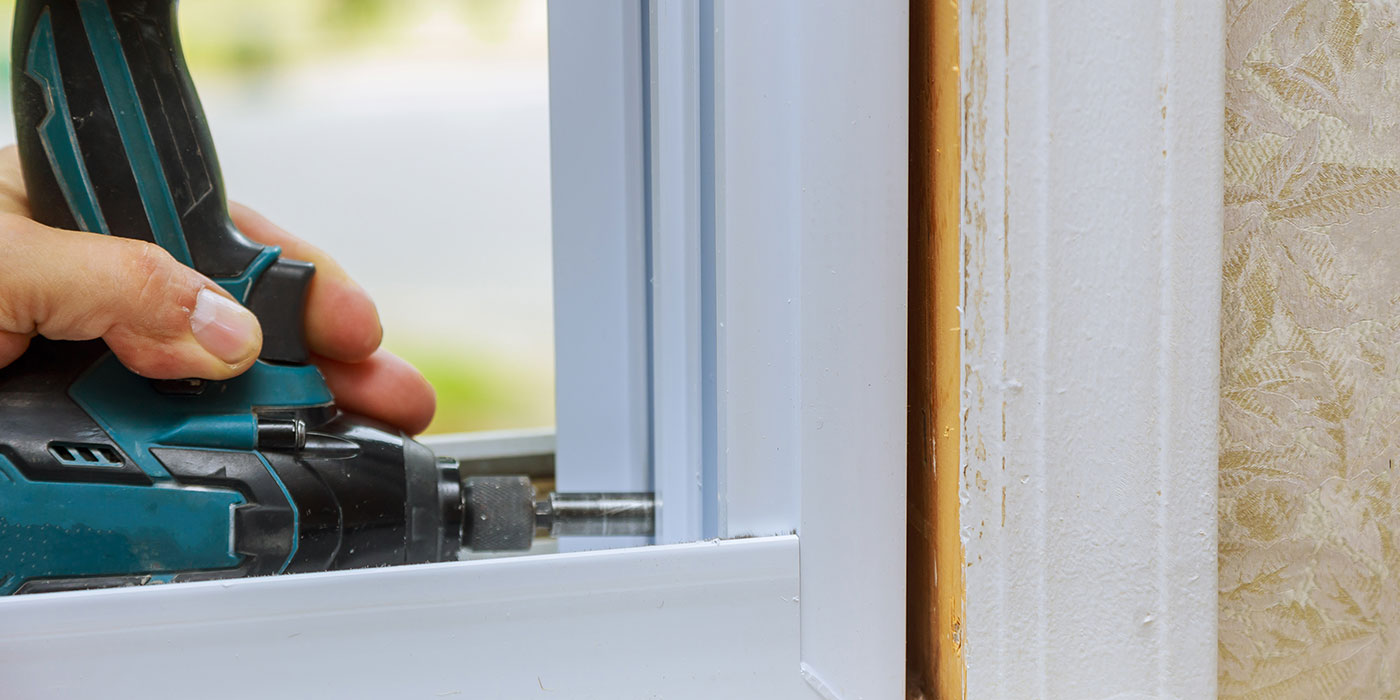
When the window unit is ready to be secured, precision matters. Makita’s 40Vmax XGT Brushless 1/4″ Impact Driver provides the control needed to fasten units securely without over-tightening and affecting frame performance.
For safe handling during installation, Makita FitKnit™ Cut Level 1 Nitrile Coated Dipped Gloves provide grip and protection when working with heavy window assemblies. Richelieu Task Tool Kneepads also help make detailed sill-level adjustments more comfortable during installation.

Timber Tip
The best window installations are built with prevention in mind. Proper flashing, fastening and sealing help protect against moisture problems before they start.
7. Finish With Precision Details That Protect Performance
The final details are what complete a high-performance installation. Interior casing, exterior trim and sealants all contribute to maintaining the window’s efficiency and appearance over time.
For clean finish work, the Makita 40Vmax XGT Brushless 10″ Dual Compound Mitre Saw w/AWS helps create accurate casing cuts while the Makita 40Vmax XGT Brushless 1-5/8″ 18 ga Brad Nailer provides a precise finish.
Around the exterior, LePage QUAD MAX creates a flexible, weather-resistant seal that withstands seasonal expansion and contraction while helping prevent drafts and moisture intrusion.
A properly finished installation ensures the window performs as well years from now as it did on day one, and makes seasonal maintenance easy!

Timber Tip
Small gaps can have a big impact. Even minor air leaks around trim, joints or the window perimeter can skew a window’s tested performance and prevent it from achieving its rated ER value in real-world conditions.
A continuous, well-applied seal helps the window perform as designed and maintain consistent efficiency over time.
Choosing high-performance windows is about looking beyond the label and understanding the technology that makes a difference. From ENERGY STAR® ratings and advanced glazing to durable frames and professional installation, every component plays a role in creating a more comfortable, efficient home.
At TIMBER MART, we know that great performance comes from the details. Our team of experts can help you choose the right window solutions, installation materials and tools to build a home that stays warmer, more efficient and ready for Canadian weather year after year. Get in touch today!