A home renovation budget can disappear quickly. It’s easy to get caught up in statement lighting, designer tile or beautiful new fixtures while overlooking the less visible parts of a renovation that keep your home protected, comfortable and performing properly.
The key to renovating wisely isn’t necessarily spending more. It’s knowing where your money will have the biggest long-term impact. In a Canadian climate, that often means prioritizing the building envelope, insulation, waterproofing and core systems before spending on cosmetic upgrades that can be changed later.
A useful way to approach any renovation is the High-Low Budgeting Framework: spend strategically on components that are difficult or expensive to replace, and look for savings on finishes and features that can be easily updated down the road.
Whether you’re tackling one room or planning a larger renovation, here are five ways to make your renovation budget work harder:
1. Follow The 70/30 Rule of Renovation Budgeting
When planning a renovation, start by separating your budget into two categories: the things that protect and support your home, and the things that make it look and feel finished.
A helpful rule of thumb is to dedicate roughly 70% of your renovation budget to the home’s exterior and mechanical components. This can include roofing, siding, insulation, foundation work, windows and doors, plumbing, and electrical work.
The remaining 30% can go toward aesthetics and comfort, including fixtures, wall finishes, decorative trim, hardware, lighting and other cosmetic details. These elements are important, but they’re generally easier to change later without undertaking another major renovation.
Thinking about your budget this way can also help prevent a common renovation mistake: choosing the finishes first, only to discover there isn’t enough money left to properly address the underlying structure.

Timber Tip
Before choosing things like paint colours, tile or hardware, make a list of everything that will be difficult to update once the renovation is complete. Prioritize those items first, then build your aesthetic choices around what’s left in the budget.
2. Splurge On Your Home’s Exterior Protection
Your home’s exterior is its first line of defence against Canadian weather. From freezing temperatures and snow to wind-driven rain and seasonal moisture, the building exterior has to work hard year-round.
This is an area where cutting corners can create expensive problems later. Quality roofing, siding, windows, doors, flashing and weatherproofing help keep moisture out and protect what’s inside.
When planning an exterior renovation, prioritize materials and installation details that are designed for long-term performance. Proper flashing, sealing and drainage may not be the most visible parts of the finished project, but they play an important role in protecting everything underneath.
It’s also worth considering the cost of maintenance. A slightly higher upfront investment in durable, low-maintenance materials can make sense if it reduces the amount of repair and replacement work you’ll need to do in the future.

Timber Tip
Your exterior is not the place to chase the lowest price. Prioritize products, installation materials, and weatherproofing solutions that help your home withstand Canada’s changing seasons.
3. Invest In What Goes Behind The Walls
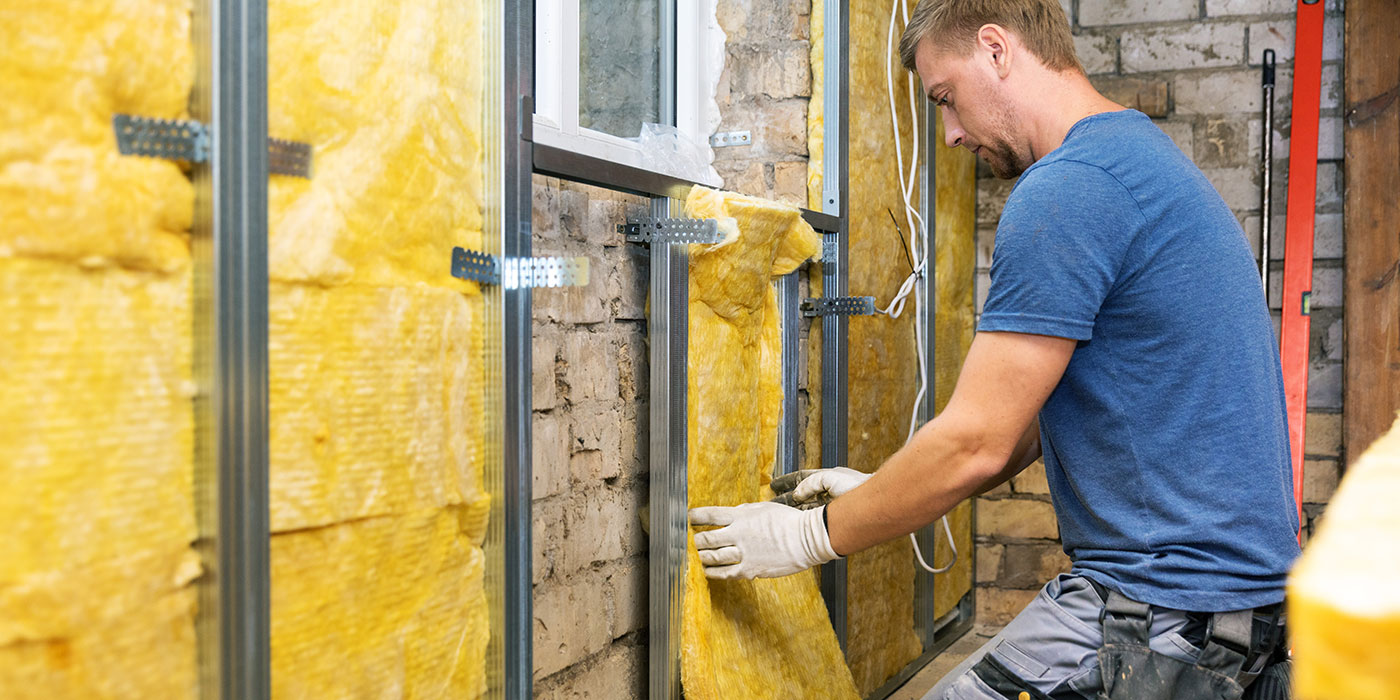
Some of the most important renovation investments are the ones you’ll never see once the project is finished. Insulation, subflooring, plumbing, electrical, and waterproofing systems all play a critical role in your home’s overall energy performance, comfort, and long-term protection.
A properly installed shower waterproofing system, for example, helps protect the structure behind the tile from moisture, while a solid subfloor provides a stable foundation for finished flooring. The same thinking applies to insulation. Improving insulation in the right areas can make rooms more comfortable while helping reduce heat loss and energy use.
Because these components become difficult to access once walls are closed up and flooring is laid, it’s worth getting them right the first time. Quality materials and tools also matter during installation. Whether you’re fastening subflooring, installing framing or completing finishing work, having the right tools can improve accuracy and efficiency, increase longevity, and help you achieve a professional result.
Timber Tip
If a renovation gives you access to something that will soon be covered up, take the opportunity to inspect, repair and upgrade it. It’s much easier to address potential problems while everything is already open.
4. Save With Sweat Equity
Not every renovation needs to come with a high labour bill. One of the easiest ways to stretch your budget is to take on the demolition, or smaller projects that are manageable for a homeowner, while leaving specialized or structural work to the professionals.
Interior renovations, such as painting and surface preparation, are great examples. Prep work can make up a significant portion of the cost of a professional paint job, but homeowners can save by handling tasks such as cleaning, patching, sanding, priming and painting themselves.
The key is to not sacrifice quality in the process. Professional-grade brushes, rollers, sandpaper, tape and other supplies can help make DIY work easier and produce a cleaner finish. Good preparation is especially important: even the best paint won’t hide poorly prepared surfaces.
There are plenty of other opportunities for sweat equity, too. Depending on your experience, you may be able to handle demolition, basic finishing work or other straightforward tasks before bringing in a professional for the specialized portions of the project.

Timber Tip
Save your DIY energy for jobs that are accessible, low-risk and easy to correct. If you’re unsure whether a task involves structural, electrical, plumbing or safety considerations, bring in a qualified professional.
5. Choose Finishes You Can Change Later
Once the important structural and mechanical work is covered, you can have more fun with the aesthetic portion of your budget. The trick is to spend strategically on finishes that give you the look you want without locking too much money into trends.
Hardware and fixtures are good examples. Cabinet handles and pulls, knobs, faucets, lighting and other accessible finishes can often be replaced without opening walls or undertaking another major renovation. That makes them the ideal places to introduce colour, personality or a trend you love right now.
Paint is another flexible way to transform a space without a major investment. A fresh colour can completely change the feeling of a room, while being relatively simple to update when your style evolves.
For larger purchases, when choosing styles and colours, consider how difficult they will be to replace. It may be difficult to resist bold trends, but choosing a timeless foundation (such as flooring, cabinets, or tiles) paired with easily changeable decorative elements can give you more flexibility throughout the life of your home.

Timber Tip
Put personality into the parts of your renovation that are easiest to change. Save your biggest investments for the elements that protect your home, improve its performance or would be expensive to replace.
A successful renovation isn’t about spending the most money. It’s about spending it where it delivers lasting value. By prioritizing your home’s structure, weather protection and core systems, you can create a stronger foundation for the finishes and design choices that make the space your own.
Your local TIMBER MART can help you find the materials, tools and installation solutions you need to make smart choices at every stage of your renovation, whether you’re investing in the essentials or taking on a little extra sweat equity yourself.