


Winter is a great time to look beyond seasonal decorating and holiday projects and take stock of how your home is performing. While colder weather can limit exterior projects, it also makes it easier to spot areas where drafts, moisture, wear and everyday use are starting to take a toll.
From windows and doors to kitchens, bathrooms and interior finishes, a little preventative maintenance now can help protect your home from more expensive repairs later. It’s also an opportunity to make small design updates that improve both function and style. Here are 10 key areas to check this winter season.
1. Give Your Trim and Baseboards a Fresh Start
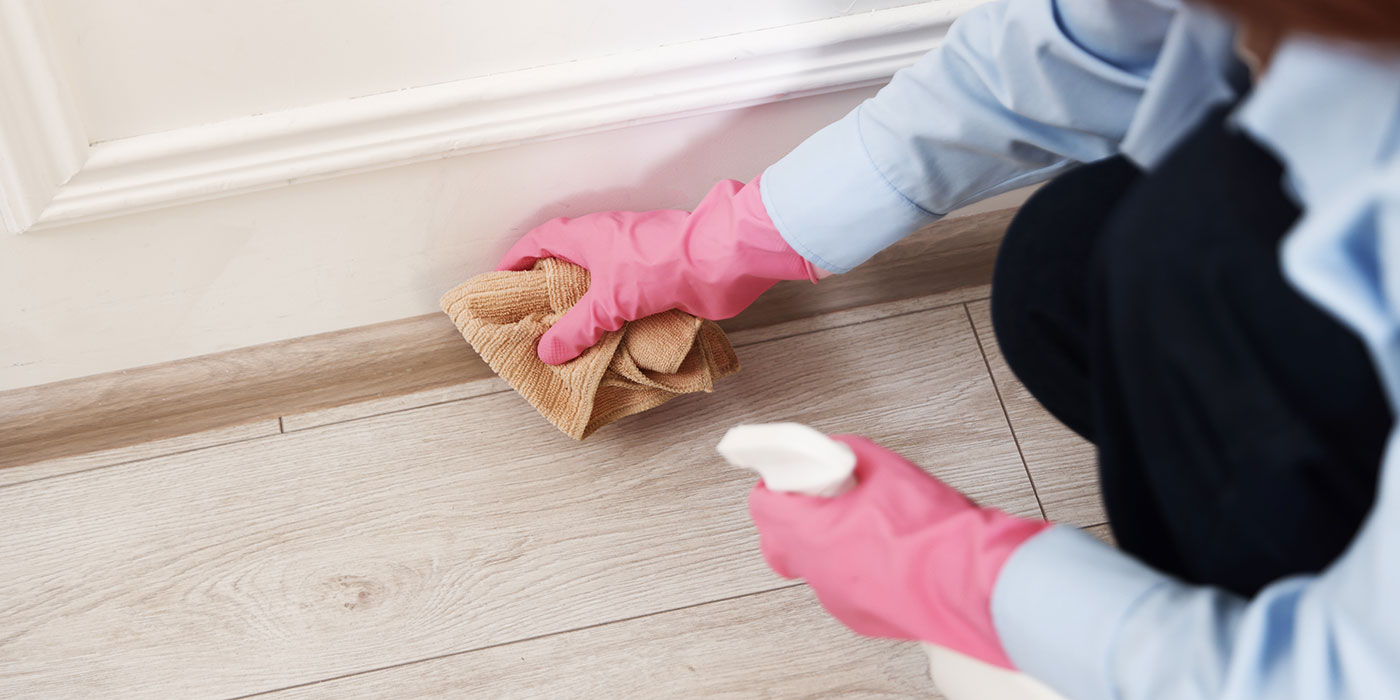
Trim and baseboards are having a design moment, with homeowners using deeper, contrasting colours on baseboards, window casings and interior doors to give standard spaces more architectural character. But before reaching for a paintbrush, winter is a good time to inspect these high-contact surfaces for damage.
Pay particular attention to entryways and mudrooms, where wet boots, road salt and snow can cause scuffs, staining and moisture damage along floor-level trim. Look for swelling, peeling paint, gaps or soft spots that could indicate moisture has made its way behind the trim.
A fresh coat of durable, scuff-resistant finish can give these areas a noticeable refresh while making them easier to maintain through the rest of winter.
Timber Tip
Before painting, clean and lightly sand damaged trim and inspect the joints carefully. Re-caulk gaps where trim meets the wall or floor to help prevent moisture from reaching the drywall, then choose a paint formulated for high-contact interior surfaces.
2. Modernize High-Impact Hardware
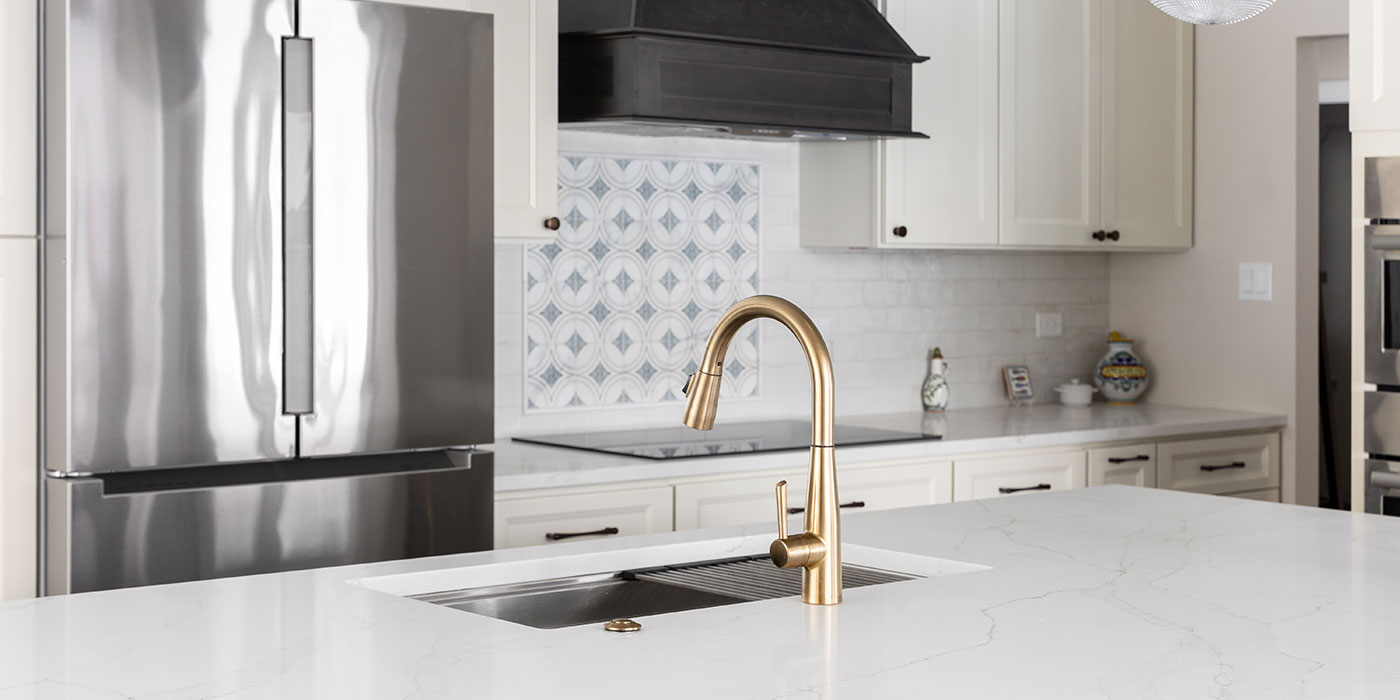
Hardware is one of the easiest ways to change the look and feel of a room without taking on a major renovation. Matte black, brushed brass, and mixed-metal finishes are continuing to replace dated, builder-grade hardware, adding contrast and visual interest to kitchens, bathrooms and entryways.
Winter is also a practical time to check how that hardware is actually performing. Loose door handles, sagging hinges, wobbly cabinet pulls and sticking mechanisms can become increasingly frustrating with daily use.
Take an inventory of the small hardware upgrades your home needs and tackle them together. Replacing or tightening a few key pieces can create a surprisingly noticeable micro-makeover.
Timber Tip
Focus first on high-use areas such as exterior door handles, kitchen hinges, bathroom vanity pulls and interior doors. Before replacing hardware, check whether the existing pieces simply need tightening.
3. Moisture-Proofing the 'Spa at Home' Bathroom
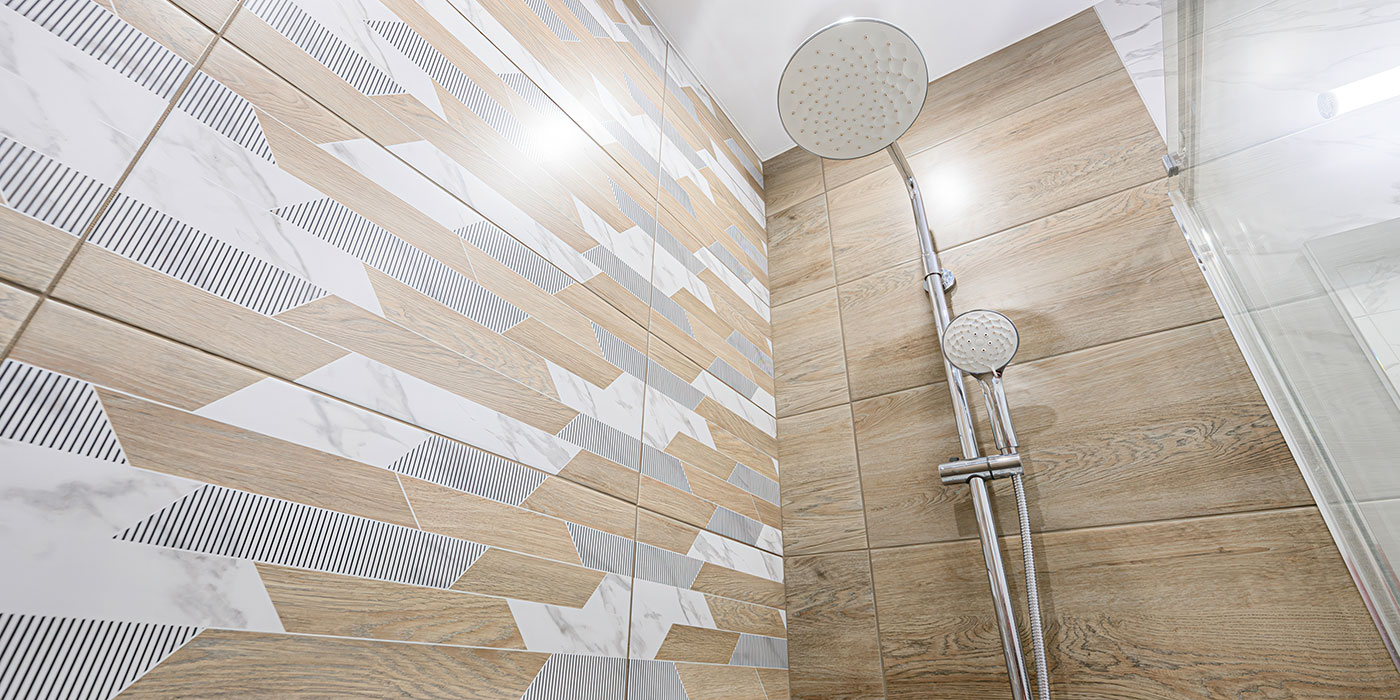
Spa-inspired bathrooms continue to influence interior design, with seamless tile, rich wall colours and streamlined finishes creating a more elevated look. But moisture management should always come before aesthetics.
Winter can make bathroom ventilation especially important as warm, humid air meets colder surfaces. Check corners, ceiling, shower surrounds and areas behind the toilet for peeling paint, cracked caulking or signs of moisture buildup.
Inspect tile and grout as well. A chipped tile or deteriorating grout line can allow moisture to reach areas that are much harder to repair later.
Timber Tip
Remove cracked or deteriorating caulking and replace it with a bathroom-appropriate sealant. Reseal grout where needed, repair chipped tiles promptly and make sure your ventilation system is functioning properly. A well-maintained bathroom should look good because it is protected, not simply because it has been freshly renovated.
4. Restoring Wood Instead of Replacing It
Warm wood tones are bringing character into interiors, and that makes winter an ideal time to revisit furniture, built-ins and other solid-wood pieces that may have been overlooked.
Dry indoor conditions can affect vintage and solid-wood furniture, while water rings, scratches and everyday wear can dull otherwise beautiful pieces. Instead of automatically replacing them, consider whether a little restoration could bring them back to life.
Light sanding, refinishing or a new protective coating can preserve the character of older pieces while giving them a more modern interior.

Timber Tip
Start with a small, inconspicuous area before refinishing an older piece. Clean the surface, lightly sand imperfections and choose a finish appropriate for the type of wood and level of use. The goal is to protect the material while preserving the character that makes the piece worth keeping.
5. Kitchen Cabinet Resilience and Realignment
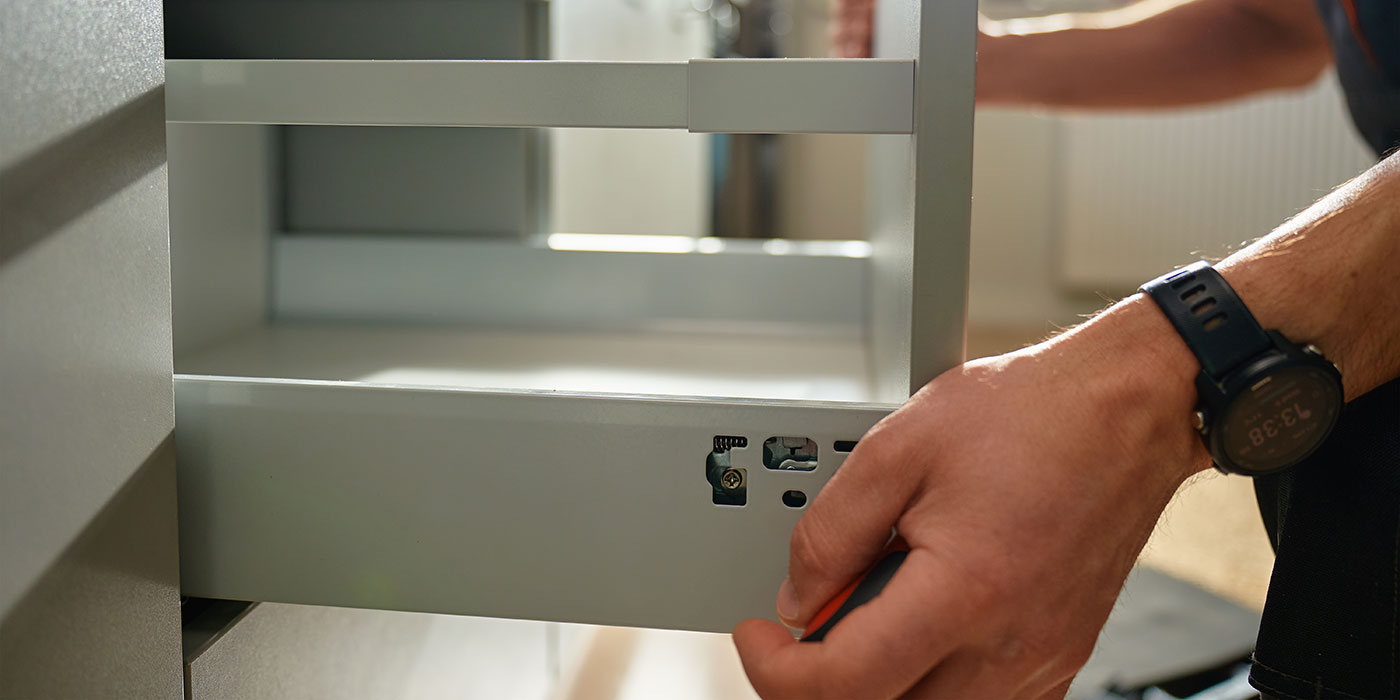
The kitchen takes a beating throughout the year, making winter a good time to check cabinets for minor issues before they become larger repairs. Look for unlevel doors, loose hinges, damaged finishes and signs of moisture beneath the sink.
The cabinet areas beneath the sink deserve particular attention. Even a small plumbing drip can damage cabinet bases over time. Around the oven and cooktop, inspect doors and finishes for heat-related peeling or deterioration.
If the cabinets are structurally sound but looking dated, refinishing can also provide an opportunity to introduce current colour trends, such as earthy greens, muted navy or a natural wood island paired with darker perimeter cabinets.
Timber Tip
Start by realigning sagging doors and tightening hinges. Check carefully beneath the sink for moisture or plumbing leaks, then address any damage before refinishing cabinet surfaces. Fixing the underlying problem first will help a new finish last longer.
6. Defend Against Drafts Around Windows and Doors
Windows and doors play an important role in keeping the home comfortable through Canada’s winter weather. Cold temperatures and repeated freeze-thaw cycles can expose problems that may go unnoticed during warmer months. You’ll need ways to protect your investments.
Walk around window and exterior door frames and look for visible gaps, worn weatherstripping, damaged caulking or areas where you can feel a draft. Inspect wood sills and frames for soft spots, swelling or other signs that moisture may be getting in.
Condensation is also worth monitoring. While some condensation can occur during winter, persistent moisture around windows can point to ventilation, humidity or window-performance concerns that should be investigated.

Timber Tip
Check weatherstripping and caulking before replacing an otherwise functional window or door. Small air leaks can often be addressed with the right replacement materials. If you find significant deterioration, rot or ongoing condensation, have the area assessed before deciding on the appropriate repair or replacement.
7. Protect Exterior Materials Before Spring
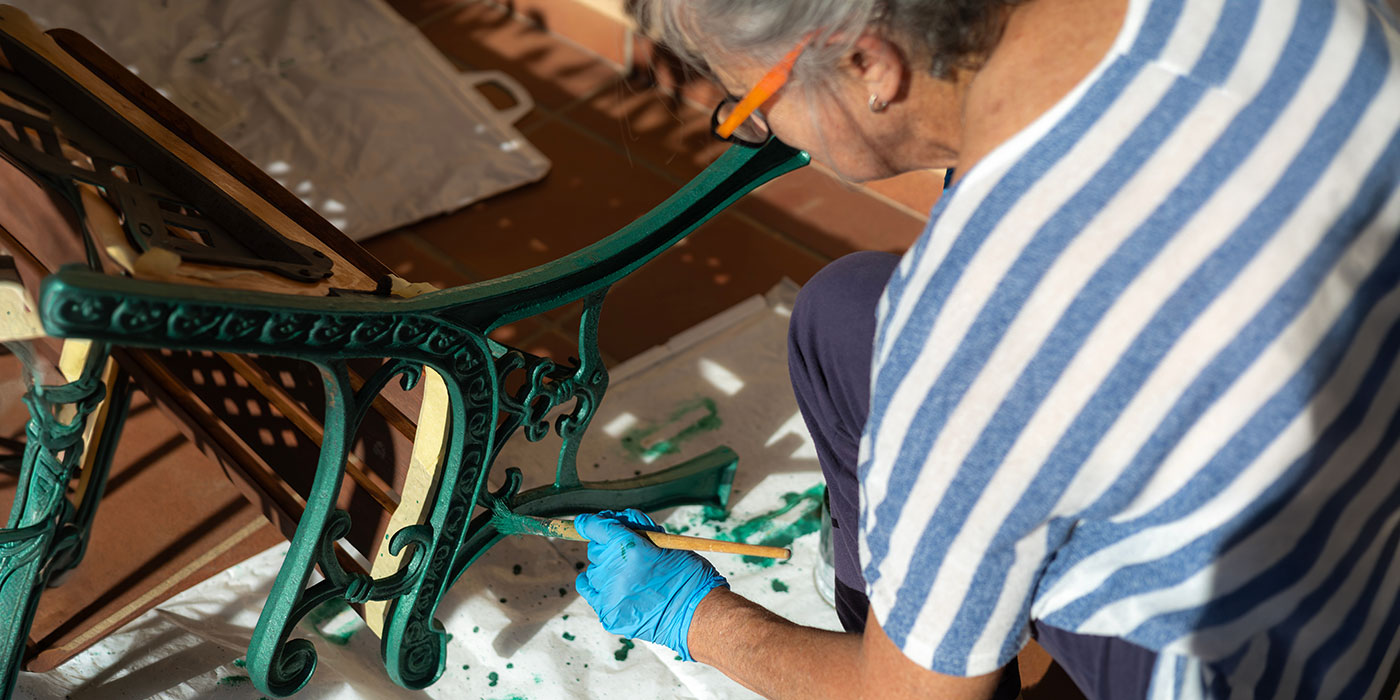
Your home’s exterior takes a lot of punishment over the winter, but preparation should start before the worst weather arrives. Metal railings, exterior light fixtures, patio furniture and other exposed components can develop surface rust when moisture is allowed to sit on them.
If you have an outdoor project that includes metal accents or architectural features, inspect them for peeling coatings, rust or exposed surfaces. Addressing small areas now can help prevent deterioration from spreading.
The same principle applies to exterior materials throughout the property: preventative maintenance is usually easier than repairing extensive damage once winter is over.
Timber Tip
Remove surface rust and loose coating from exposed metal before applying a durable, weather-resistant finish. Follow the coating manufacturer’s preparation requirements carefully. The quality of the surface preparation will have a major impact on the finished result.
8. Turn Storage Areas into Functional Zones
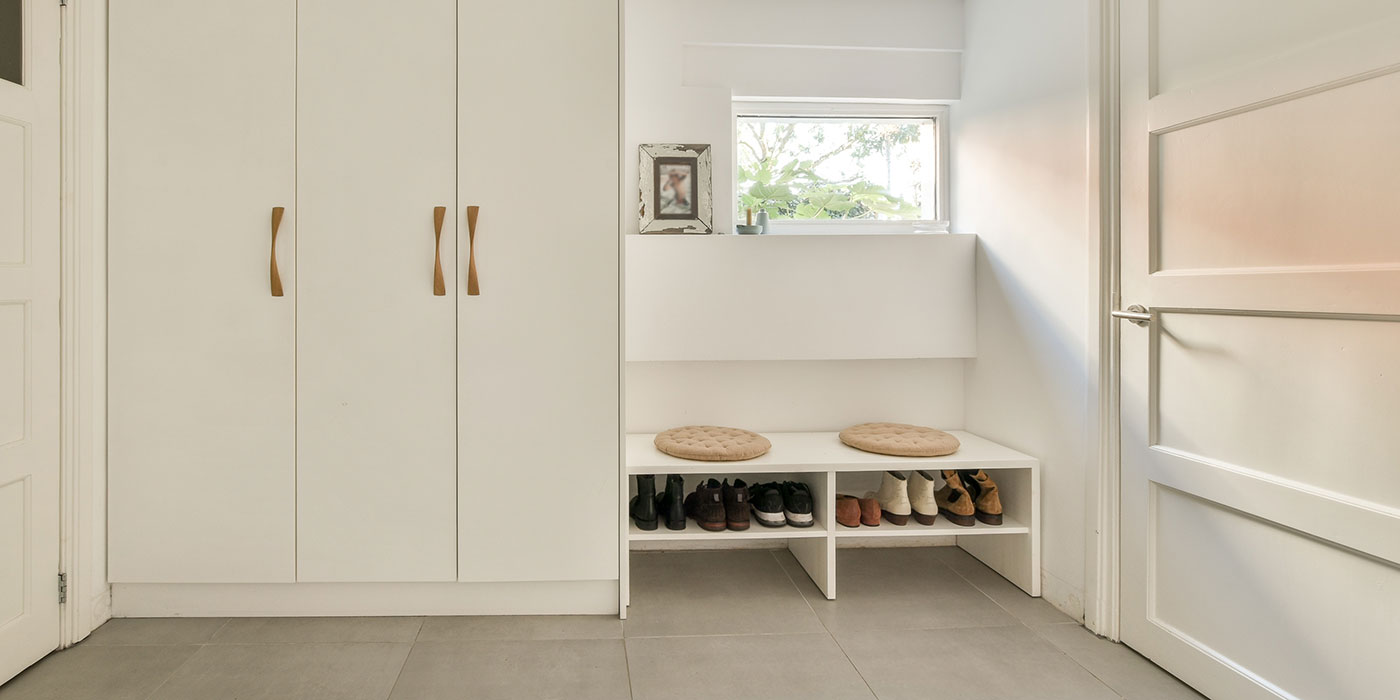
Winter gear has a way of exposing every weakness in a home’s storage system. Coats, boots, sports equipment and seasonal items can quickly overwhelm entryways, closets and basement spaces.
Heavy-duty shelving, built-in cubbies and wall-mounted storage can transform unused areas into more functional zones while giving everything a designated place.
But don’t overlook the structure behind the storage. Overloaded shelves or poorly installed drywall anchors can pull away from the wall, damaging both the storage system and the surrounding surface.
Timber Tip
Locate wall studs before installing shelves designed to hold heavier loads. Choose mounting hardware based on the wall construction and intended weight, rather than relying on standard drywall anchors for everything. Proper support will protect both your storage investment and the wall behind it.
9. Check Your Exterior Envelope
A home’s exterior does more than create curb appeal; it helps protect everything inside. Winter preparation should include a close look at the areas responsible for moving water away from the house and protecting the building envelope.
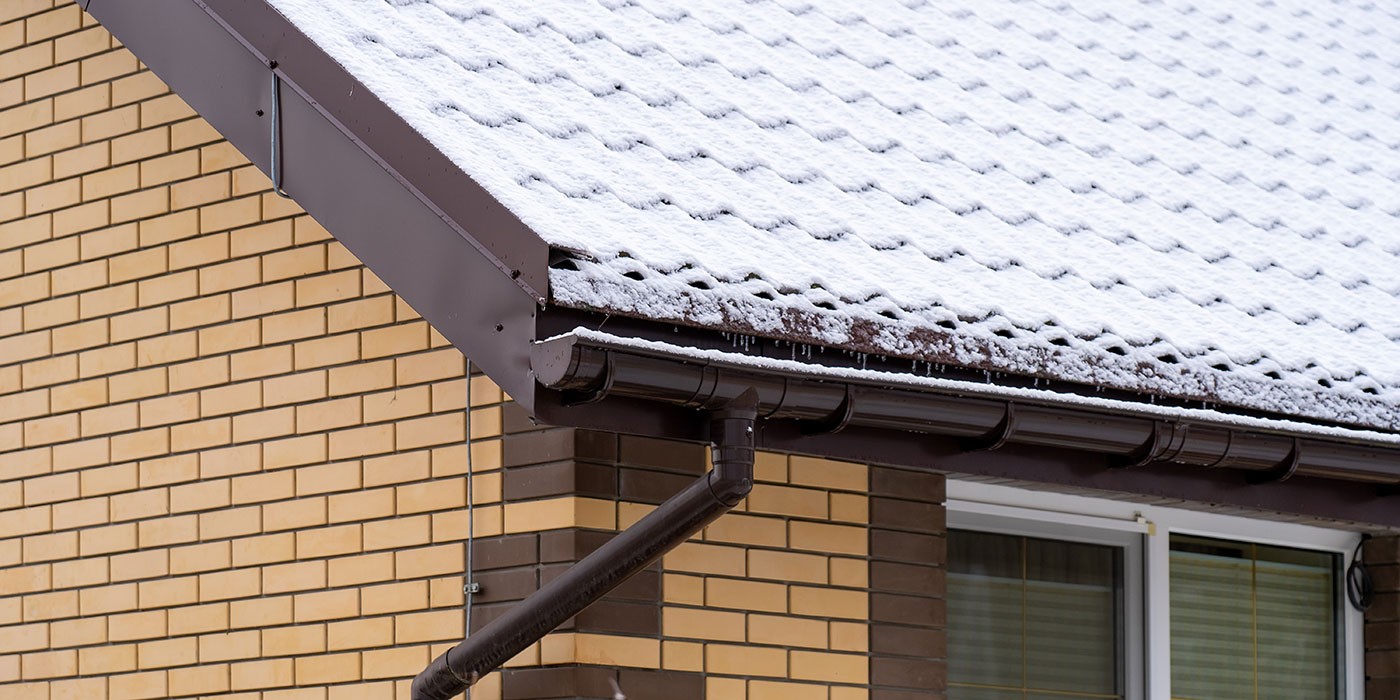
Clear leaves and debris from eavestroughs and make sure downspouts are directing water away from the foundation. Check for damaged siding, loose exterior components and areas where caulking or flashing may have deteriorated.
Don’t forget about the roof. From the ground, look for missing or damaged singles and other obvious signs of wear. If you notice a concern, have it assessed before winter weather makes access more difficult.
Timber Tip
Make sure downspout extensions direct water well away from the foundation and keep eavestroughs clear before freezing temperatures arrive. If you notice damaged roofing, siding or exterior trim, address it early to prevent moisture from getting into the home’s envelope.
10. Build A Winter-Ready DIY Zone
For homeowners who like to tackle projects themselves, winter is the perfect time to turn a garage, basement or workshop into a more functional home improvement space. When outdoor work slows down, there’s still plenty to accomplish indoors.
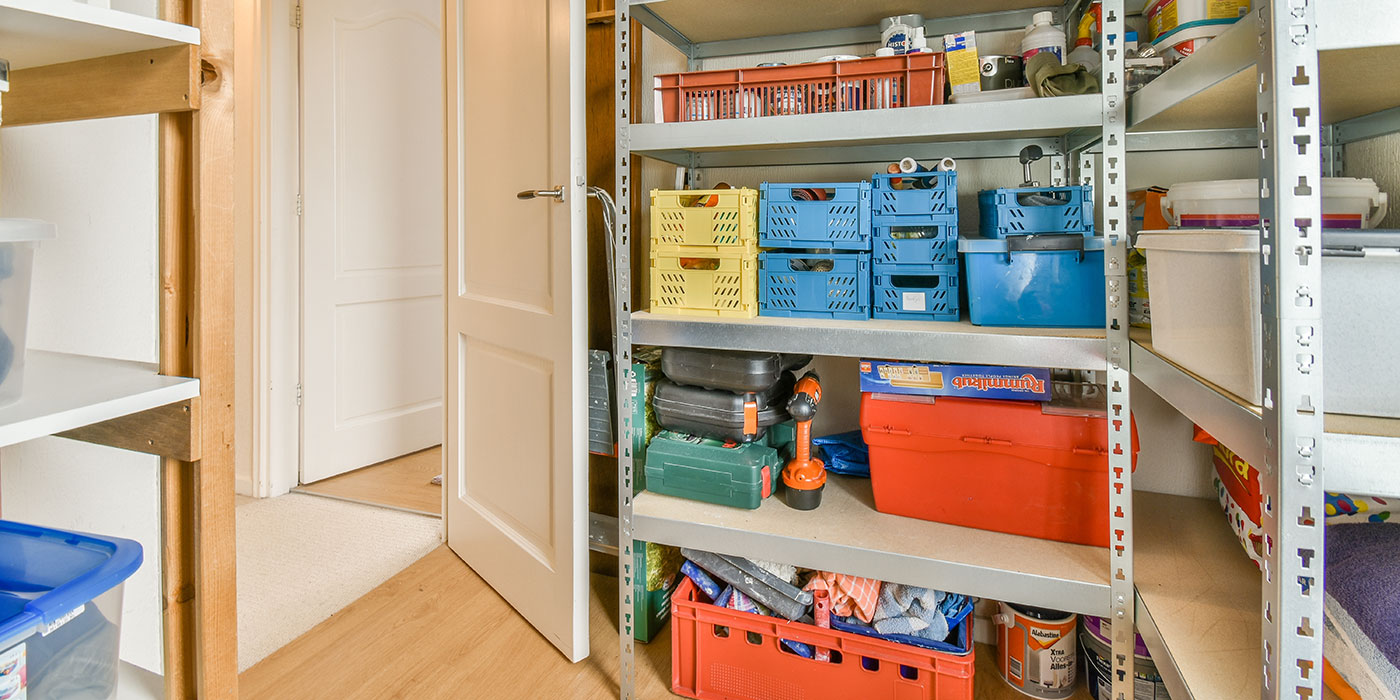
Use this time to organize tools, improve storage and create a dedicated workspace for smaller repairs and finishing projects. A well-organized workshop also makes it easier to find the right tool or materials when a maintenance issue comes up.
Think beyond organization, too. Adequate lighting, sturdy work surfaces and safe storage can make the space more comfortable throughout the colder months.
Timber Tip
Organize your workshop around the projects you tackle most often. Keep frequently used tools accessible, store materials off damp floors and use sturdy shelving for heavier supplies. A little organization now can make every future DIY project easier.
Winter maintenance doesn’t have to mean taking on a major renovation. By working through your home one area at a time, you can identify small problems before they become costly repairs while making simple updates that improve the look and function of your space!


