Interior design in Canada is entering a new era: one that places equal importance on beauty, comfort, high-quality workmanship and long-term livability. Today’s homeowners are looking beyond temporary décor trends and focusing on finishes that create a lasting sense of warmth, calm and connection.
From richly layered colour palettes to spa-inspired bathrooms and seamless wall surfaces, the latest design movements are reshaping how Canadian homes look and feel. Whether you’re planning a full renovation or simply refreshing a single room, these trends offer inspiration for creating spaces that feel both current and deeply personal.
Here are 10 interior design trends redefining Canadian homes in 2026.
1. Warm Minimalism and Biophilic Design
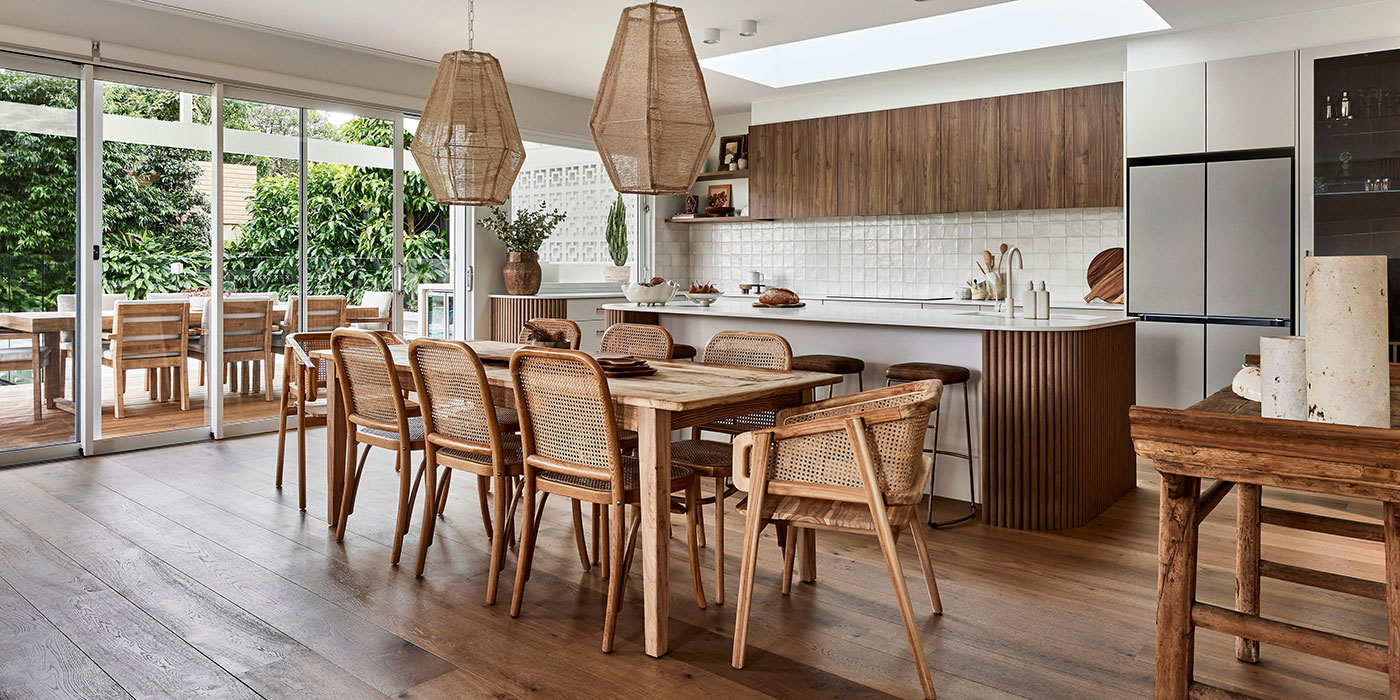
Minimalism is becoming softer, warmer and more connected to nature. Instead of stark white walls and sparse interiors, homeowners are embracing earthy palettes inspired by forests, clay, stone and natural wood.
Soft terracotta, muted oliver, deep forest green and warm sand tones create spaces that feel grounded and inviting rather than cold or overly formal. Natural materials such as oak, walnut, linen, rattan and woven textures add depth without visual clutter, helping rooms feel calm and restorative throughout the changing Canadian seasons.
This biophilic design trend is particularly appealing in open-concept homes, where a consistent natural palette can create a stronger flow between living, dining and kitchen spaces.
Timber Tip
Start by introducing one dominant natural material, such as white oak flooring, walnut shelving or a wood-toned dining table, and build the rest of the palette around it! You might consider pairing it with two or three earthy paint colours, rather than a wide range of competing tones.
2. Colour-Drenching for A Cocooning Effect
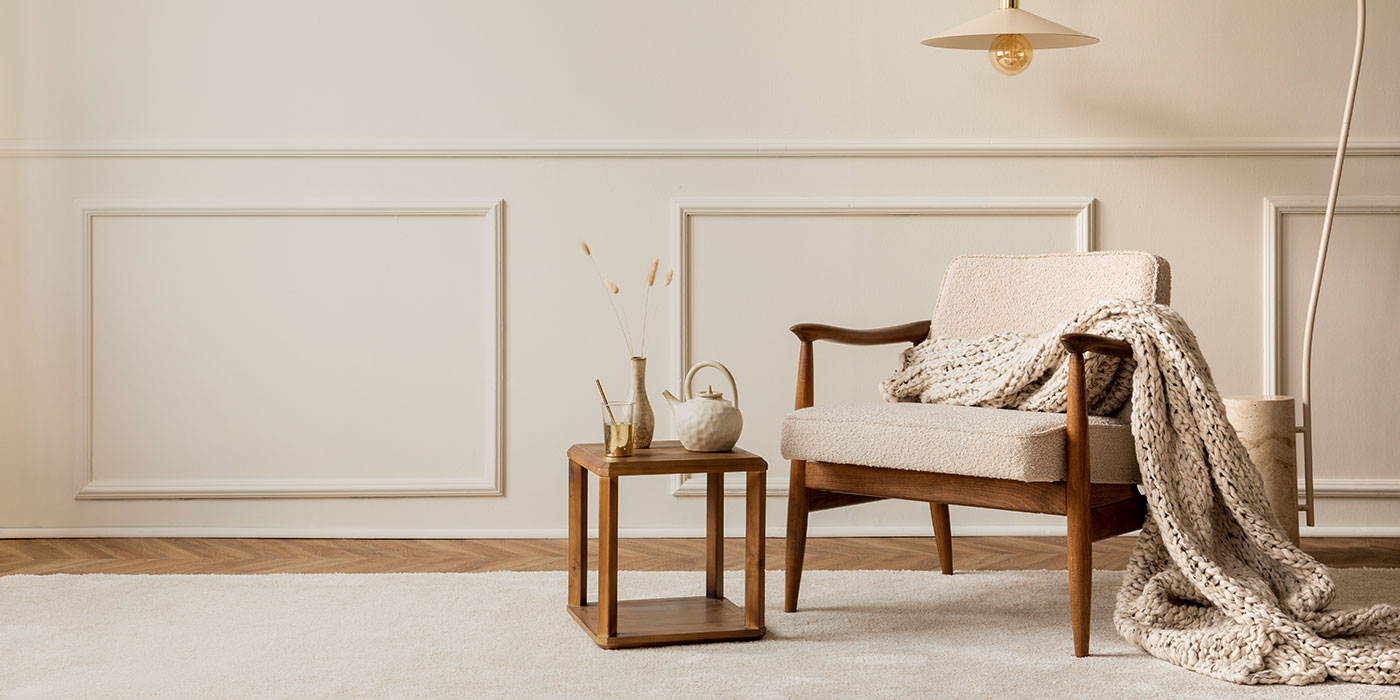
The traditional formula of white ceiling, contrasting trim and coloured walls is giving way to a more immersive approach. Colour-drenching involves painting the walls, ceiling, doors and trim in a single hue to create a cohesive, enveloping atmosphere.
This technique works especially well in living rooms, dining rooms and bedrooms where a sense of intimacy is desired. Deep blues, charcoal greens, mushroom taupes and warm browns can make a room feel sophisticated and unexpectedly cozy, while softer shades create a gentle, cloud-like effect.
Because the eye is not interrupted by contrasting trim lines, colour-drenched rooms often feel larger and more architecturally refined.
Timber Tip
Test your chosen colour on both the walls and ceiling before committing to the entire room. Many colours appear noticeably darker when used overhead, especially in spaces with limited light.
A good approach is to use the same colour throughout but to reduce the sheen on the ceiling. This will help maintain the cocooning effect without making the room feel heavy.
3. Quiet Luxury and Sensory Design
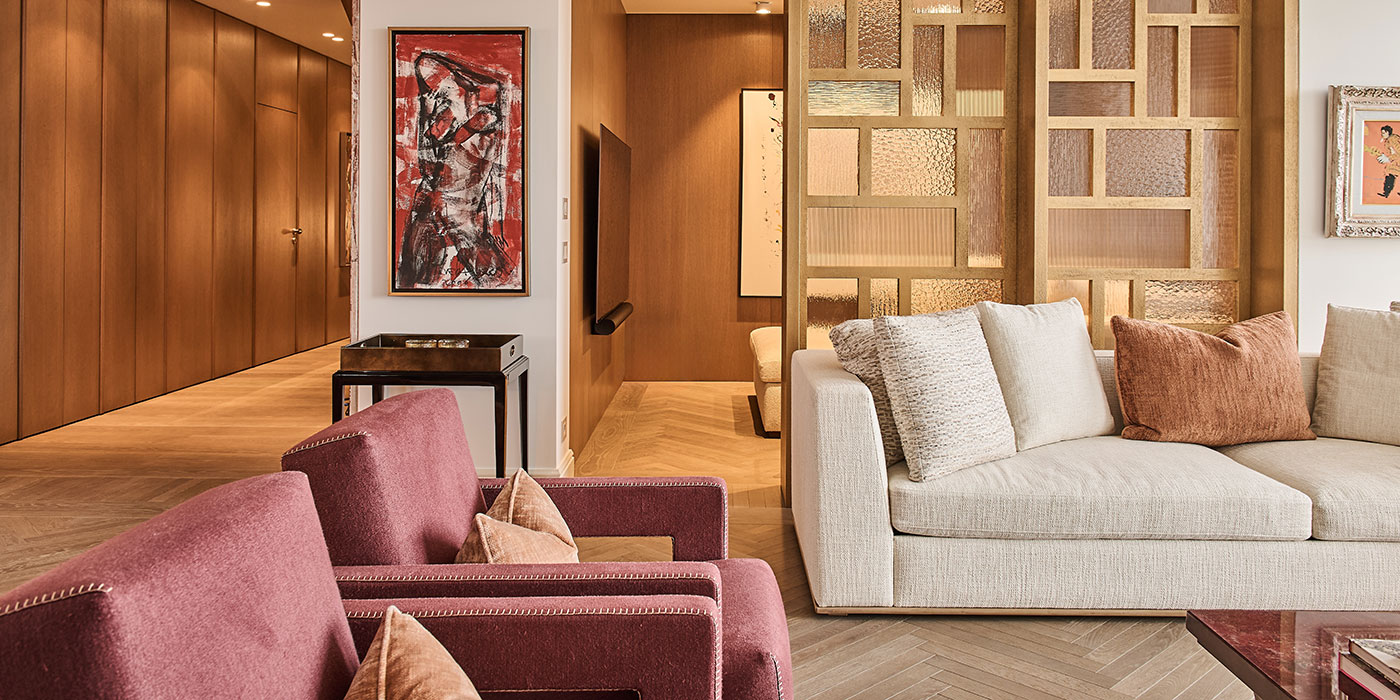
Luxury is increasingly defined by how a space feels rather than how expensive it looks. Homeowners are prioritizing quieter interiors with better acoustics, softer textures and fewer visual distractions.
Thoughtful sound control is becoming an important part of renovation planning, particularly in home offices, nurseries, media rooms and basement retreats. Reducing echo and noise transfer helps create spaces that support focus, rest and relaxation within busy households.
Layered textiles, upholstered furniture, area rugs, drapery, and acoustically friendly wall and ceiling assemblies all contribute to a more peaceful atmosphere. The goal is not silence, but a sense of calm that makes a home feel restorative at the end of a busy day.
Timber Tip
When renovating, think about sound design early in the process. Soft furnishings help, but larger improvements come from adding acoustic insulation within shared walls or ceiling and sealing gaps around doors and trim. These upgrades can significantly reduce noise transfer between rooms and create a noticeably calmer environment.
4. Jewellery for The Home
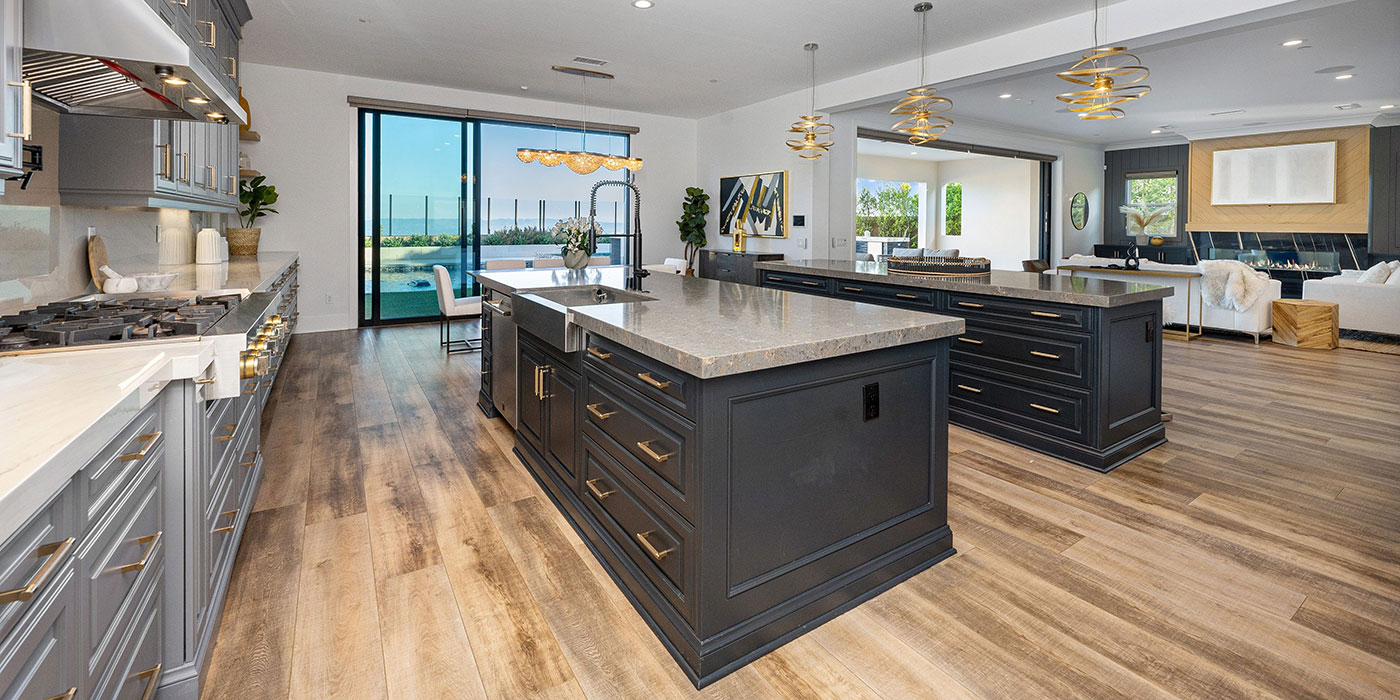
Interior hardware has become one of the easiest ways to add personality and polish to a space. Cabinet pulls, door handles, faucets, lighting and other fixtures are being treated like jewellery. These small details make a significant visual impact.
Oversized silhouettes, knurled textures and sculptural forms are especially popular in finishes such as unlacquered brass, brushed bronze and matte black. Even a simple vanity or kitchen cabinet can feel custom with thoughtfully selected hardware.
This trend is especially effective in renovation projects where cabinetry is still in good condition, allowing homeowners to achieve a dramatic visual upgrade without a full replacement.
Timber Tip
Before replacing all your hardware, choose one high-visibility area, like the kitchen island, bathroom vanity or front entry, and upgrade those pieces first. Repeating the same finish in nearby lighting or plumbing fixtures can help your space feel professionally designed rather than pieced together.
5. Flawless, Seamless Transitions
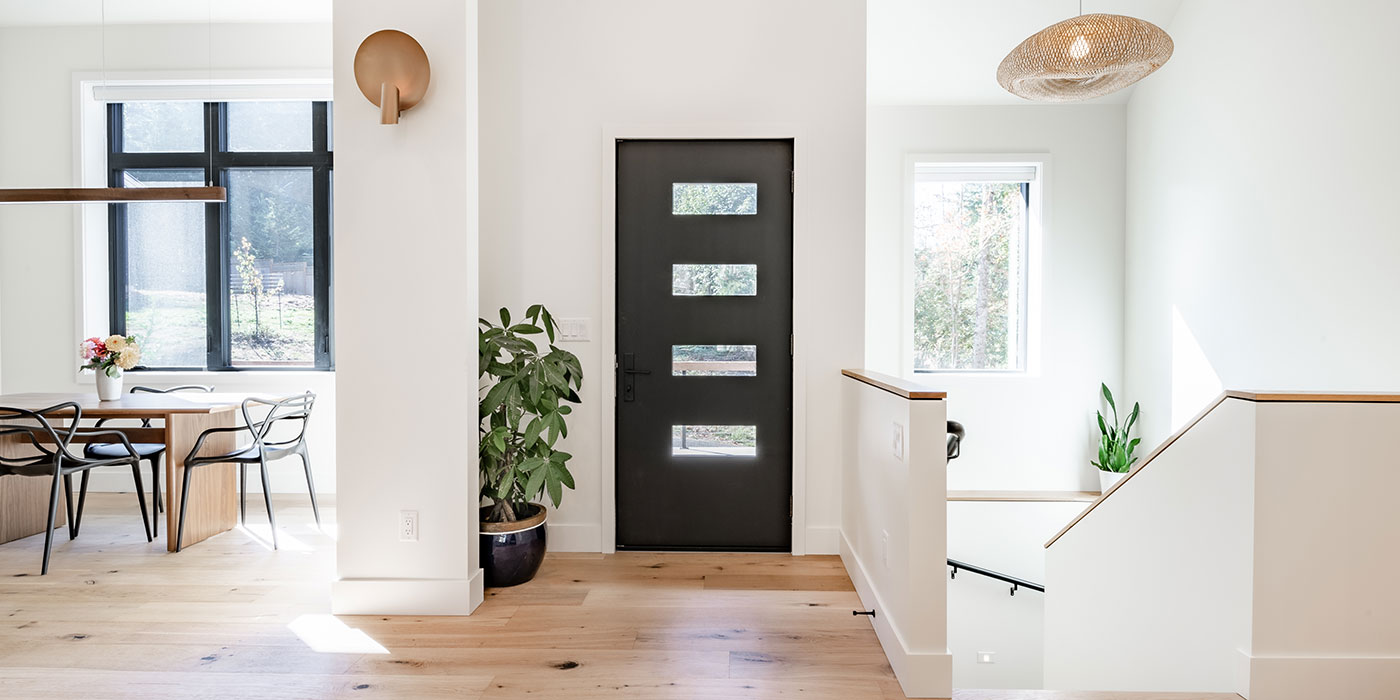
Modern interiors are moving toward cleaner, more refined wall finishes. Heavy textures are giving way to smooth, uninterrupted transitions and surfaces that allow natural light to travel evenly across the room.
This trend emphasizes precision and simplicity. Flush walls, crisp corners and carefully prepared surfaces create a quiet architectural backdrop that highlights furniture, artwork and lighting rather than drawing attention to the wall finish itself.
The result is a more contemporary appearance that photographs beautifully and feels especially striking in homes with large windows and abundant natural light.
Timber Tip
Smooth walls reveal imperfections more easily than textured finishes, so proper preparation is essential. Ask for sanding under strong lighting conditions and inspect walls from multiple angles before painting.
Using a high-quality primer and a matte or low-sheen paint will help minimize surface irregularities and create the clean, contemporary look this trend depends on.
6. High-Performance Coloured Cabinetry
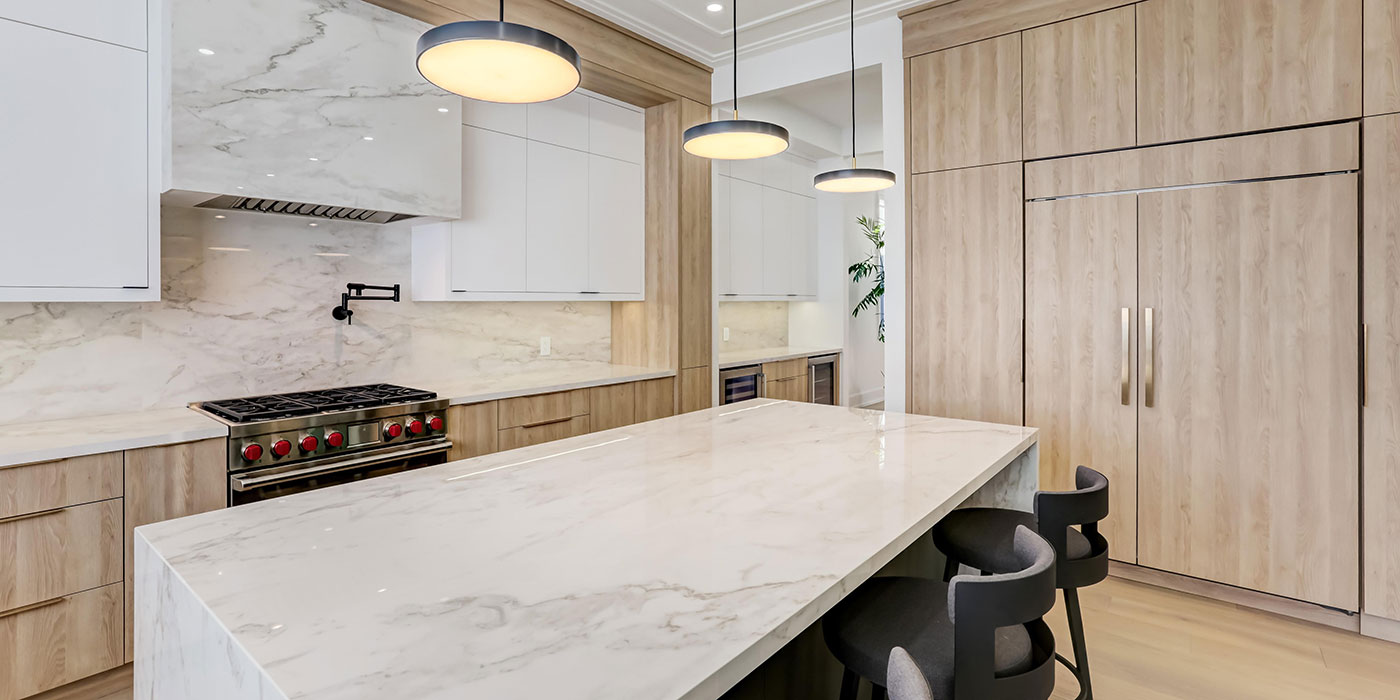
White kitchens remain timeless, but coloured cabinetry is becoming a defining feature of contemporary renovations. Rich navy, smoky green, warm taupe and earthy brown tones add depth and character while feeling more personalized than all-white schemes.
Homeowners are also paying closer attention to durability, favouring smooth, resilient finishes that can withstand daily cooking, cleaning and family life without quickly showing wear. Satin and matte finishes are particularly popular because they soften reflections and create a more furniture-like appearance.
This trend works equally well in kitchens, laundry rooms, mudrooms and bathroom vanities.
Timber Tip
Darker cabinet colours tend to show fingerprints, dust and wear more readily than lighter shades. If you have a busy family kitchen, consider using deeper colours on lower cabinets and a lighter tone on uppers to balance maintenance with visual impact.
7. Sculptural Plumbing Finishes
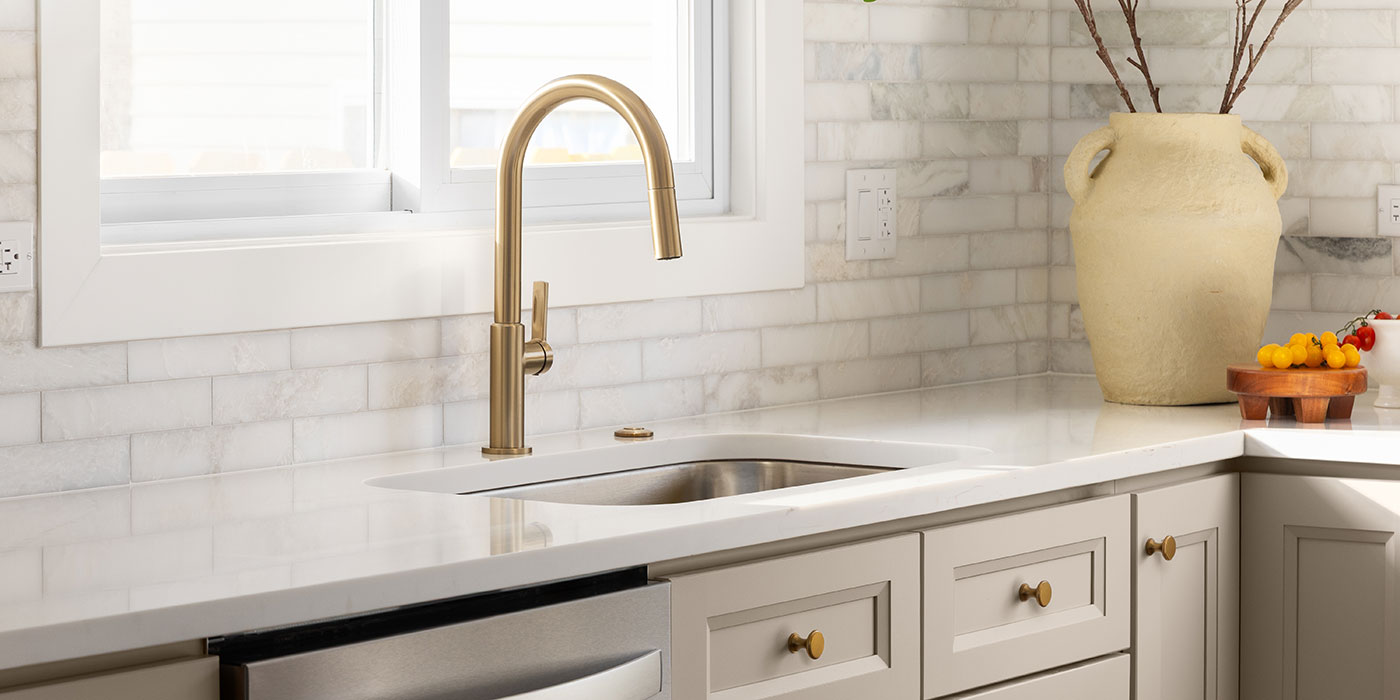
Faucets are no longer purely functional; they are becoming sculptural focal points in kitchens and bathrooms. Clean, architectural lines and minimalist silhouettes create a refined, contemporary appearance that feels intentionally designed.
Wall-mounted faucets, gently curved spouts and slim-profile fixtures can add elegance without overwhelming the space. Their sculptural quality is especially noticeable when paired with simple stone, quartz or solid-surface countertops.
Because these fixtures are used every day, homeowners are increasingly looking for designs that combine visual impact with ergonomic comfort and easy maintenance.
Timber Tip
Bring home samples or compare finishes in the actual room before purchasing. Warm LEDs can make brass appear richer, while cooler lighting may emphasize nickel or chrome tones.
8. Hidden Comforts
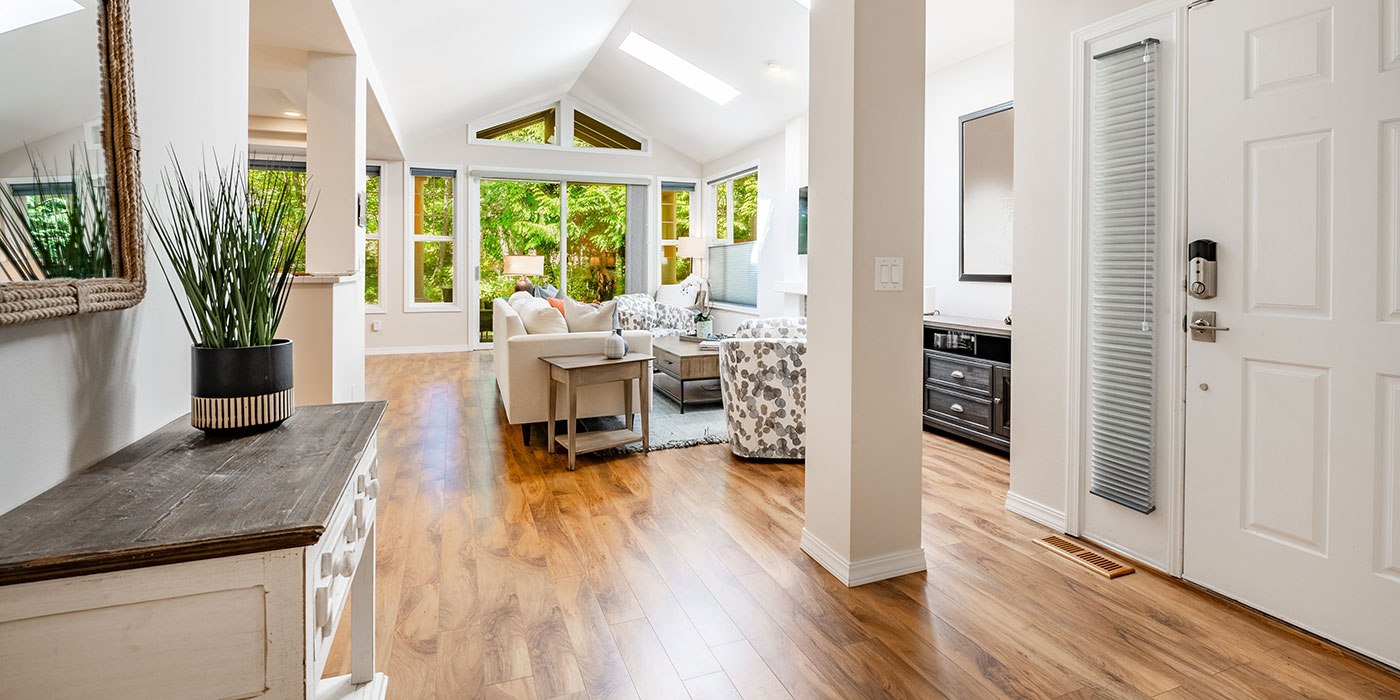
Some of the most important upgrades are the ones you never see. Homeowners are increasingly investing in better thermal performance behind the walls to create more consistent indoor temperatures, reduce drafts and improve overall comfort.
This “invisible wellness” approach recognizes that a beautiful room is only truly successful when it feels comfortable year-round. Better insulation, improved air sealing and thoughtful moisture management can also contribute to quieter interiors and lower energy costs.
As energy efficiency becomes a greater priority across Canada, these behind-the-scenes improvements are becoming a standard part of premium renovation projects rather than an optional upgrade.
Timber Tip
If walls or ceiling are being opened during a renovation, take the opportunity to improve insulation and air sealing at the same time. Pay particular attention to exterior walls, rim joists and areas around windows where drafts commonly occur.
9. Mixed Metal Curation
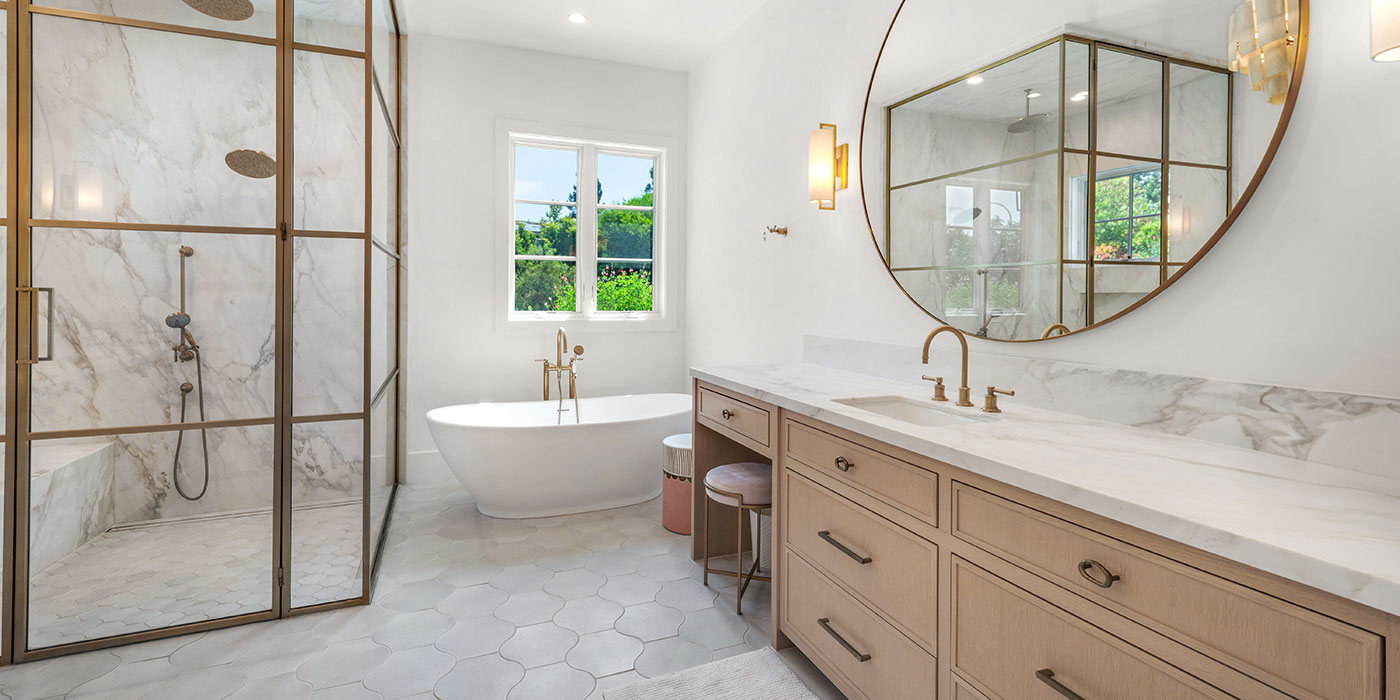
The once-popular rule that every metal finish in a room must match has largely disappeared. Designers are now mixing metals intentionally to create a layered, collected appearance.
A matte black faucet paired with brushed brass cabinet pulls or a polished nickel light fixture combined with bronze hardware can add depth and visual interest when balanced thoughtfully. The key is intentional repetition rather than perfect uniformity.
Mixed metals tend to feel more custom and less builder-grade, especially in kitchens and bathrooms where several fixture types are visible at once.
Timber Tip
Treat one finish as the primary metal and use the second as an accent. For example, matte black faucets and lighting can establish the foundation, while brushed brass cabinet pulls could add warmth and contrast.
10. The Spa-Inspired Washroom
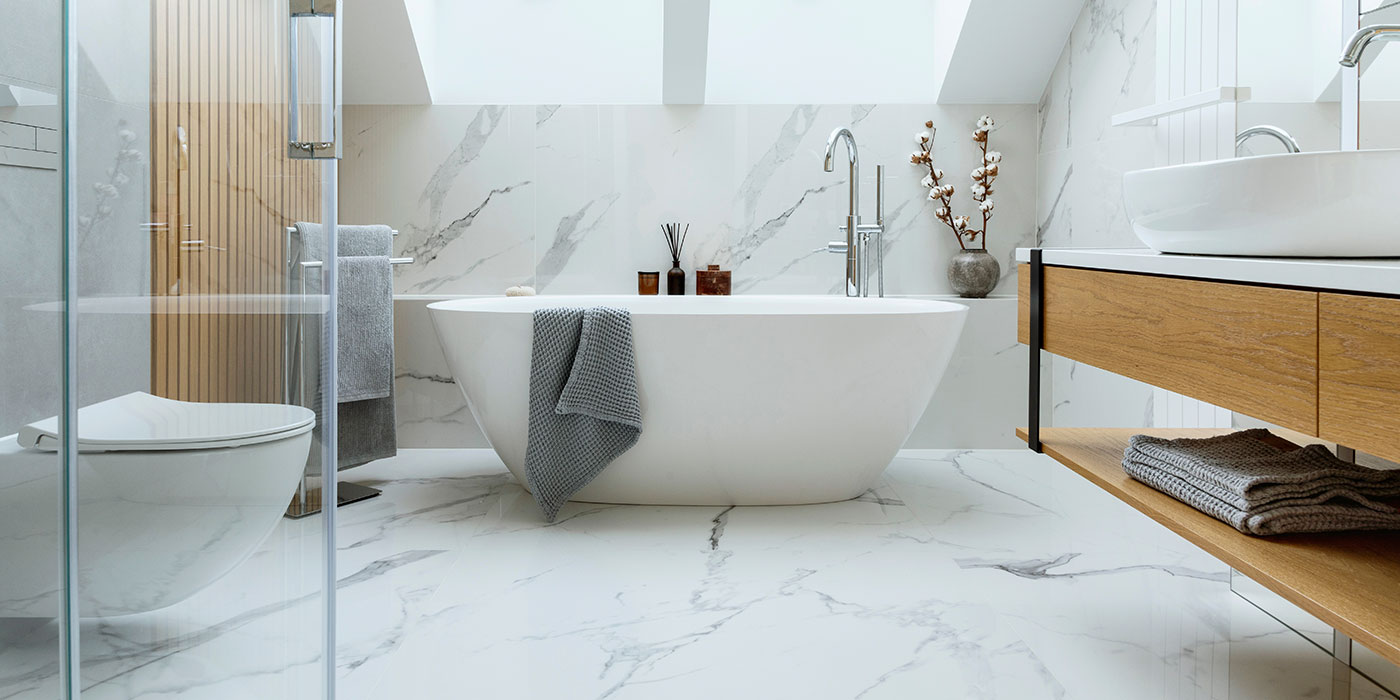
Bathrooms are increasingly being designed as personal wellness retreats rather than purely utilitarian spaces. Soft, muted colours, matte finishes, natural textures and streamlined fixtures help create a serene atmosphere reminiscent of a luxury spa.
Floating vanities, frameless glass showers, warm lighting and minimal visual clutter contribute to a sense of calm and spaciousness. Large-format tile, wood-look finishes and integrated storage further reinforce the clean, relaxing aesthetic.
This trend is less about adding luxury products and more about creating a space that supports slow, restorative daily routines.
Timber Tip
To create a serene, spa-like retreat, minimize visual clutter by incorporating integrated storage for everyday items. Pairing a clean, streamlined space with warm lighting and natural textures will easily transform a purely utilitarian washroom into a calming environment that supports your restorative daily routines.
The defining interiors of 2026 are not built around a single trend. They are thoughtfully layered spaces where colour, texture, light and comfort work together to create a home that feels both elevated and effortless. For Canadian homeowners, the future of interior finishing is less about following fashion and more about designing rooms that genuinely support how they want to live, relax and connect at home.