Backyards across Canada are undergoing a major transformation. What was once a simple outdoor space is now being reimagined as an extension of the home, designed with the same level of intention, comfort and style as interior living areas.
From architectural structures to nature-inspired layouts, today’s outdoor spaces are being built to do more, last longer and feel more connected to how homeowners actually live. Here are 10 trends redefining the future of outdoor living in Canada.
1. The “Outdoor Living Room” Extension
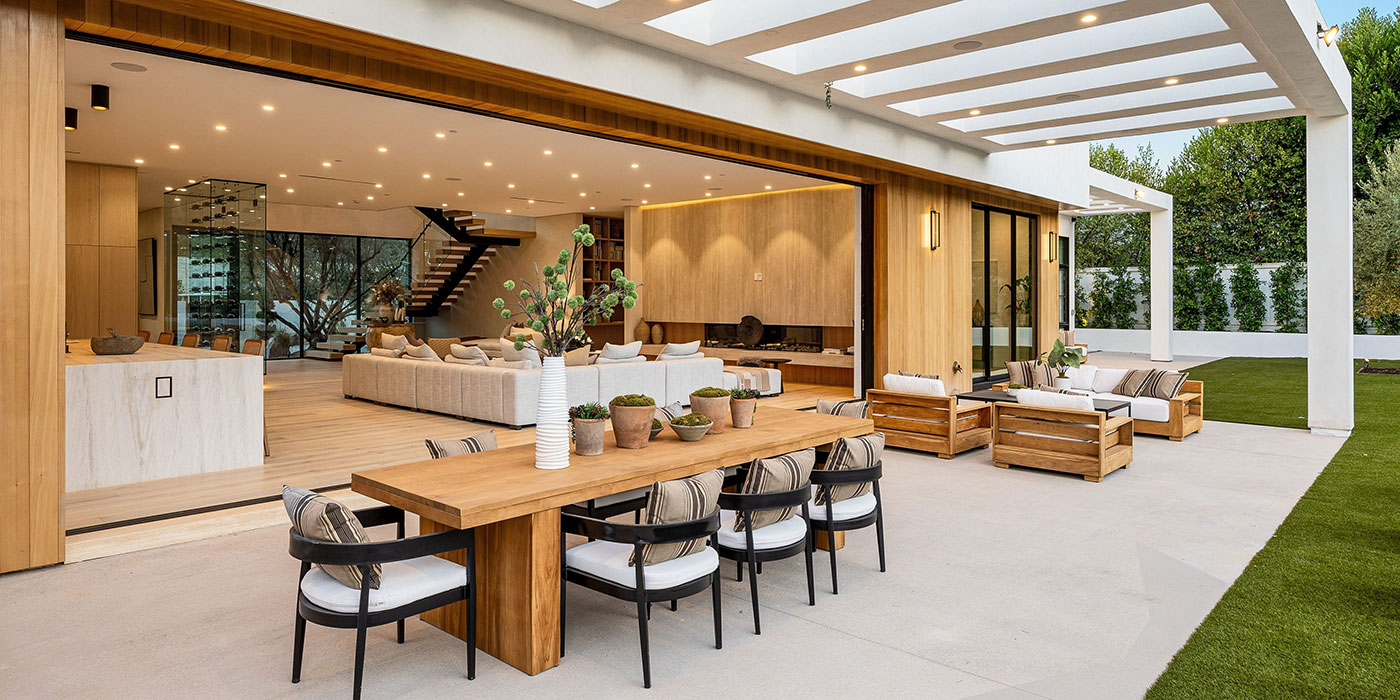
The line between indoors and outdoors continues to blur! Homeowners are designing backyards that mirror their interior layouts, creating clearly defined zones for lounging, dining and cooking.
These spaces often flow directly from the back door, making the transition feel seamless and natural. The result is an outdoor area that functions like another room in the home: comfortable, organized and ready to use.
This approach also makes entertaining easier, as guests can move effortlessly between spaces with minimal disruption.
Timber Tip
Think about how you move through your indoor space and apply that same logic outside. Creating natural pathways and defined zones will make your backyard feel more intuitive and connected, especially when aligning doorways, furniture placements and sightlines.
2. Architectural Garden Structures
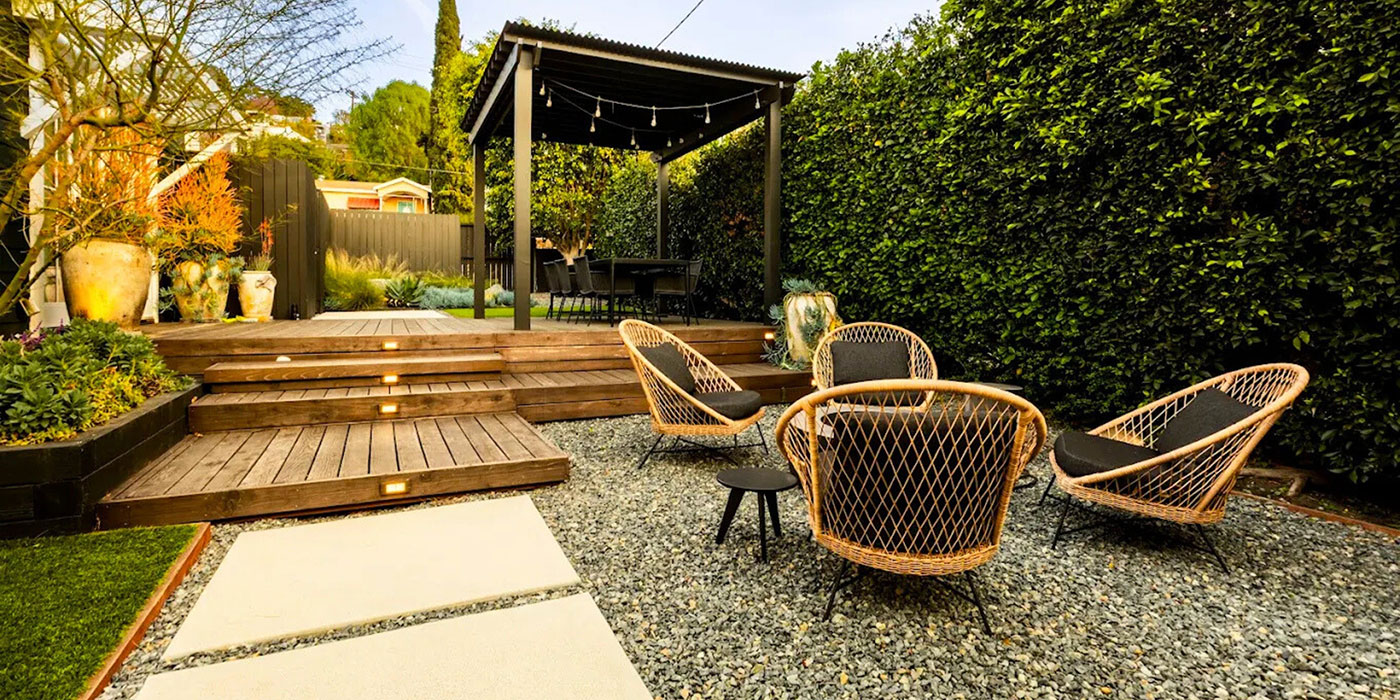
Pergolas, pavilions and cabanas are no longer afterthoughts. Rather, they’re becoming true focal points in modern backyard design. These structures add vertical interest, define distinct zones and introduce a sense of permanence that elevates the entire space.
Whether used to create a shaded dining or lounging area, they can help transform an open yard into a more intentional livable environment. Beyond function, they also create opportunities to layer in design elements like integrated lighting, climbing greenery, privacy screens, drapes or even overhead heaters, turning a simple structure into a fully styled outdoor feature.
These additions don’t just enhance usability; they bring a more architectural, high-end feel to the backyard overall.
Timber Tip
Position structures where they anchor the space visually, such as over a seating or dining area, so they feel integrated rather than added on.
Be sure to plan carefully and pay close attention to scale and proportion. This will ensure the structure complements your yard size. Also consider sun exposure and wind direction to maximize use and comfort throughout the day.
3. Modern Rustic Textures
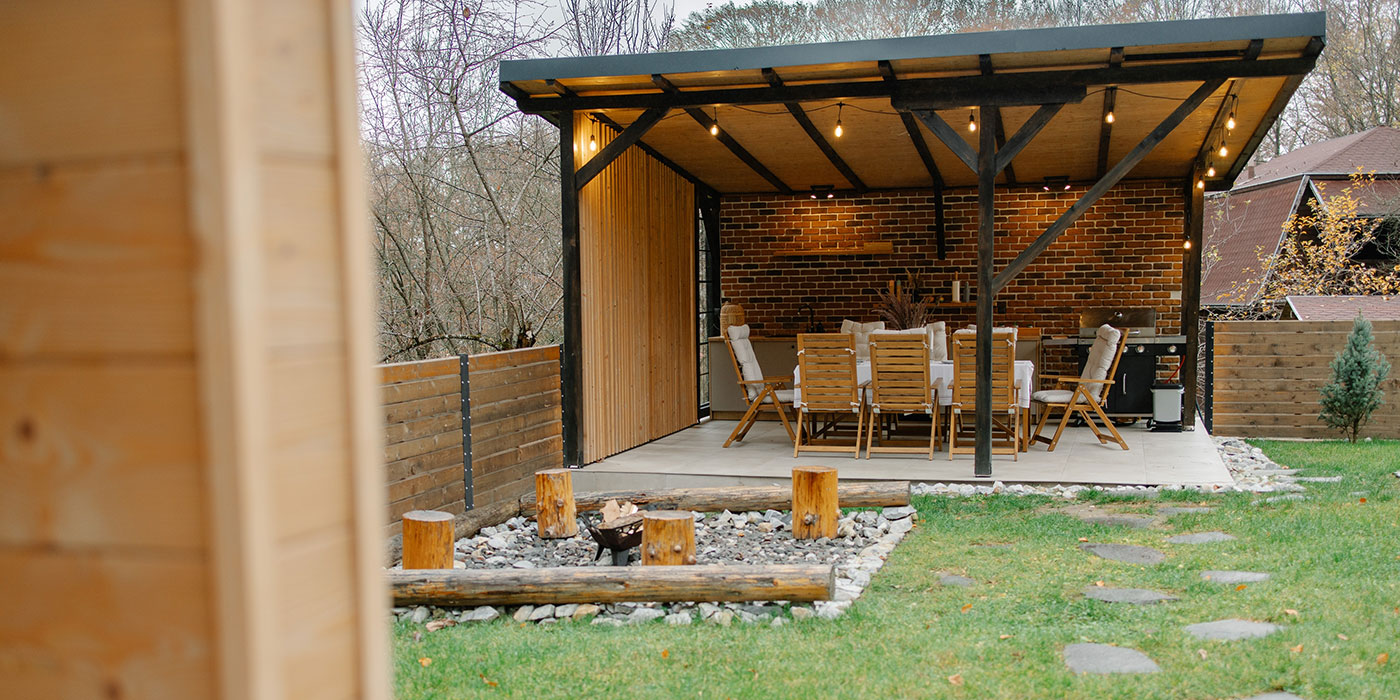
A balance of sleek design and natural materials is gaining popularity. Clean, minimalist lines are being paired with rich wood tones, visible grain and tactile finishes to add warmth, depth and character to outdoor spaces.
This mix creates a space that feels both contemporary and inviting, working well across both urban and more rural properties and perfectly complements neutral colour palettes and streamlined furniture.
Homeowners are incorporating natural wood elements into decking, pergolas, privacy screens and built-in seating, often leaving finishes lightly stained or semi-transparent to highlight the natural grain rather than covering it up. The result is a layered, design-forward aesthetic that feels intentional, grounded and connected to the surrounding environment.
Timber Tip
Combine smooth, modern finishes with one or two natural textures to add depth without overwhelming the space and repeat those materials in multiple areas to create consistency. For example, carry a wood tone from your decking into planters or overhead structures to create a cohesive look that ties the entire design together.
4. Architectural Garden Structures
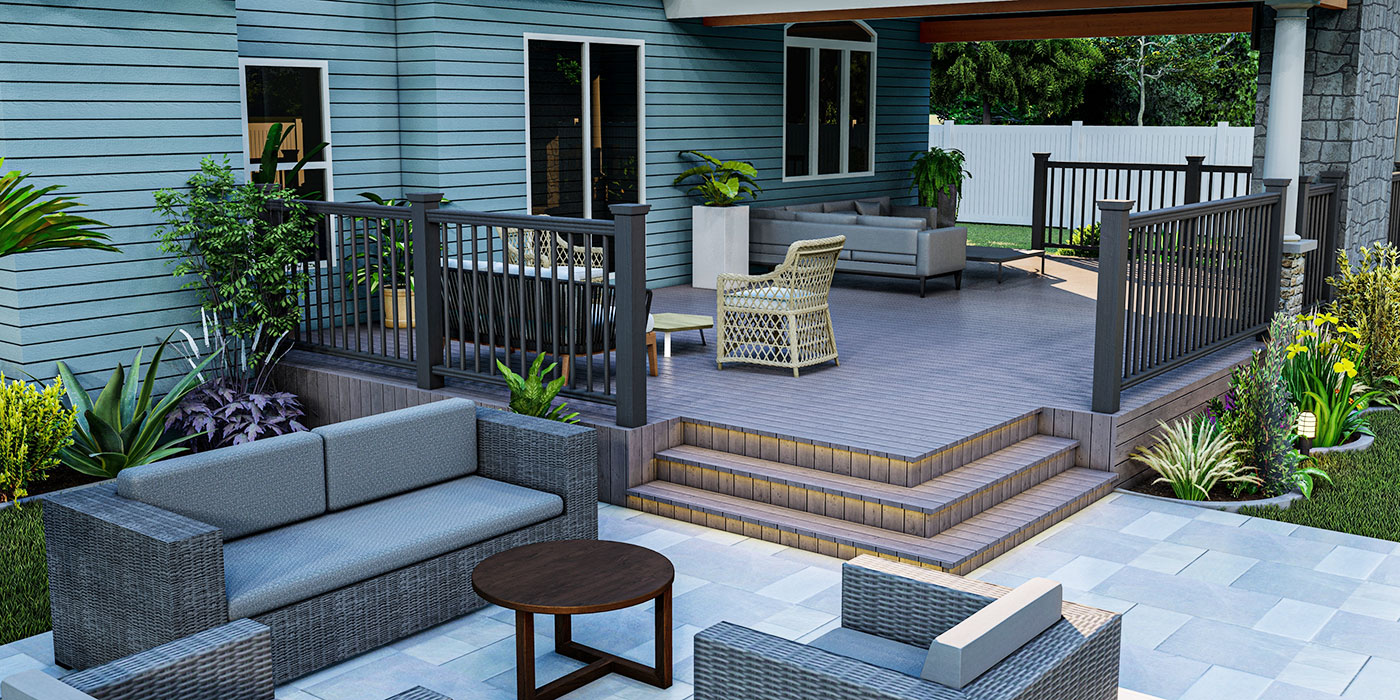
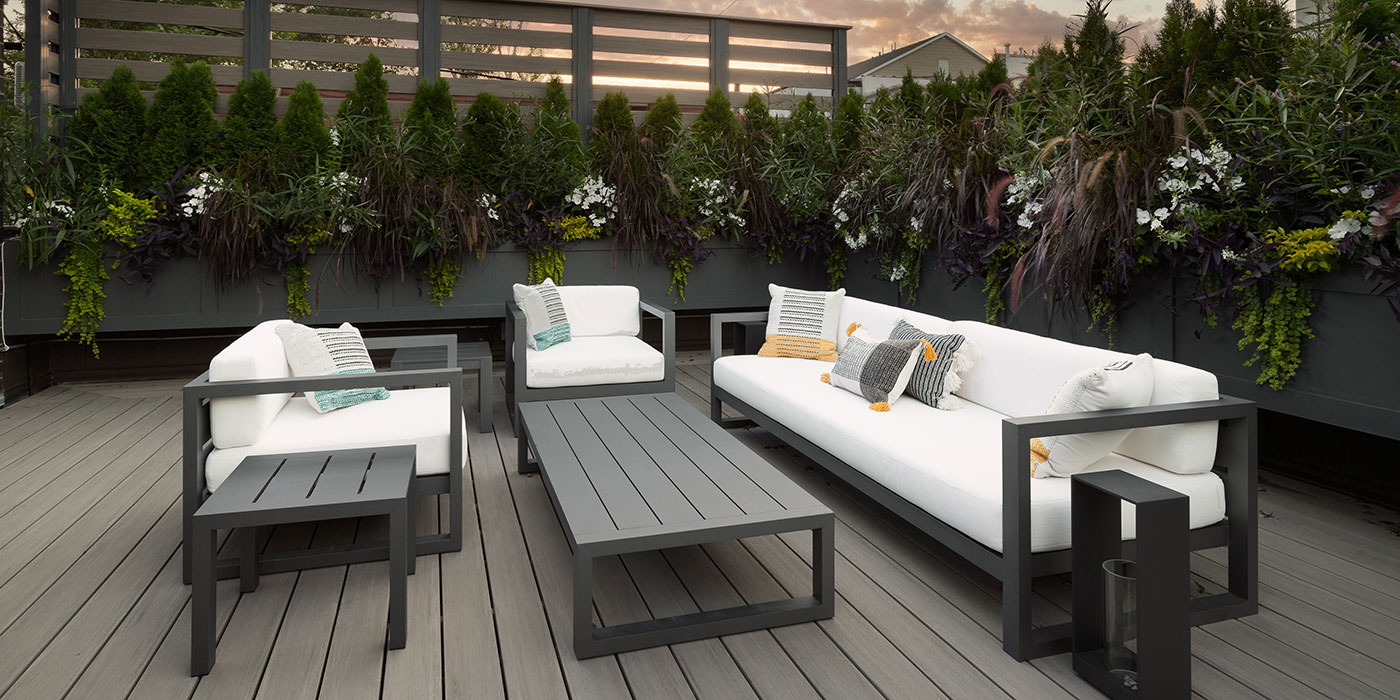
Traditional wood tones are making room for deeper, more dramatic colours. Fences, sheds and deck accents in charcoal, stark black or deep forest green are creating bold contrast against greenery, lighter woods, natural stone and landscaping.
These darker palettes help highlight surrounding plants and give outdoor spaces a more modern, high-end feel. They also tend to age well, visually maintaining a rich appearance over time.
Timber Tip
Use darker tones strategically as a backdrop, rather than covering every surface. This approach works especially well on railings, shed exteriors or accent walls, where darker finishes can ground the space and frame key features.
Pairing these tones with natural wood elements, warm lighting, or lighter stone surfaces helps balance the overall look and keeps the space feeling rich, layered and intentionally designed.
5. Biophilic Design and “Rewilding”
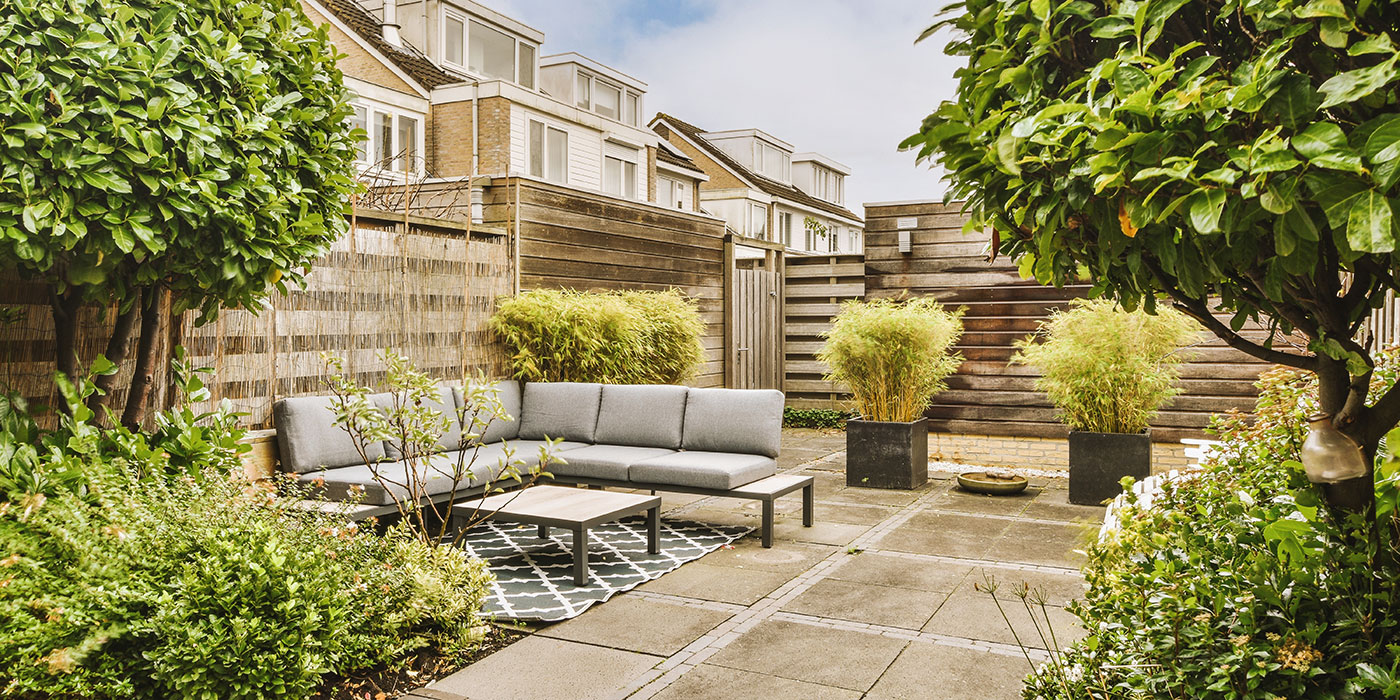
There’s a growing shift towards more natural, less structured landscapes. Instead of perfectly manicured lawns and rigid layouts, homeowners are embracing native plants, organic shapes, and materials that age gracefully.
This approach creates a more relaxed, environmentally conscious space that blends seamlessly into its surroundings. It also supports local ecosystems, encourages biodiversity, and reduces the need for intensive upkeep, such as constant mowing, watering, or fertilizing.
Features such as natural stone pathways, layered planting beds and softly defined edges help create a yard that feels alive, evolving and connected to its environment rather than controlled.
Timber Tip
Choose plants and materials suited to your local climate and soil conditions. They’ll require less maintenance, integrate more naturally into your yard and stand up better to seasonal changes, while improving long-term sustainability and overall resilience of your outdoor space.
6. Multi-Seasonal Sanctuaries
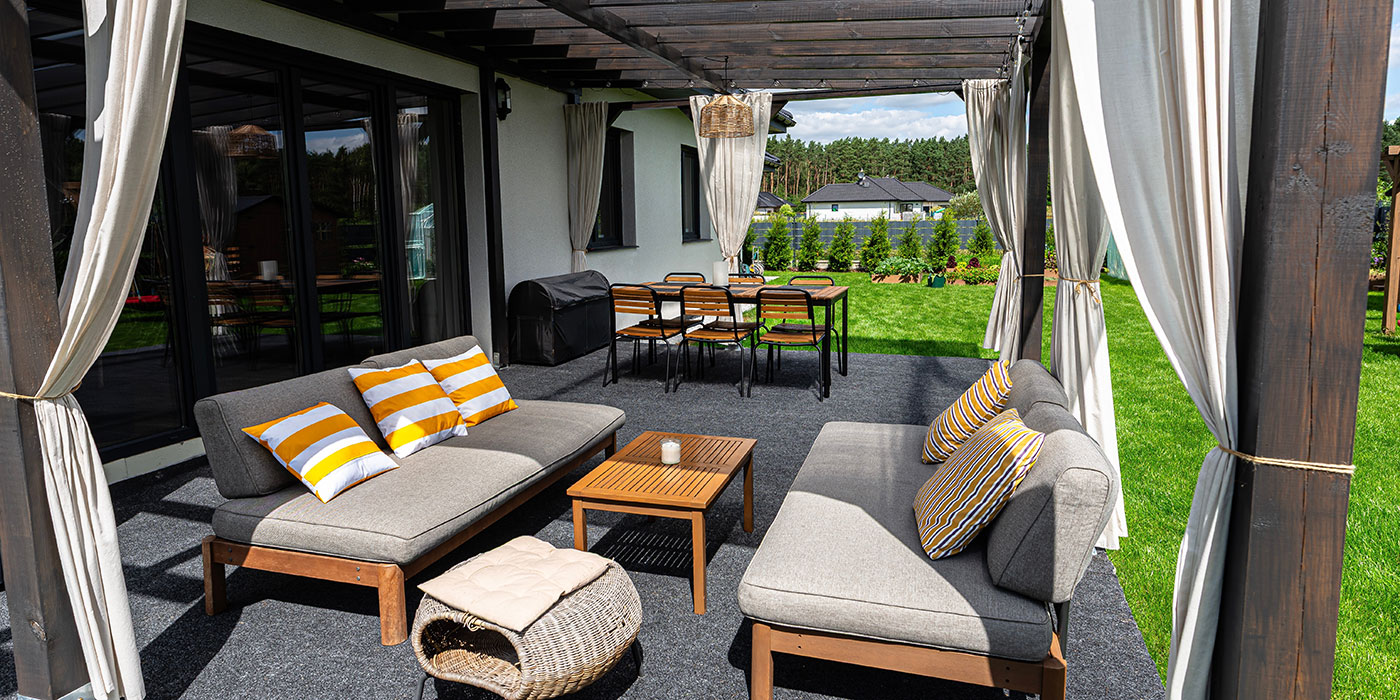
Canadian backyards are being designed for more than just summer. By incorporating features that provide shelter from wind and weather, homeowners are extending the use of their outdoor spaces into spring and fall.
Covered areas, windbreaks and heat sources help create a space that’s usable across multiple seasons. This makes the investment in outdoor living feel more worthwhile when it can be enjoyed for more than a few short summer months.
Timber Tip
Create a space that’s comfortable year-round. Even simple upgrades to reduce sun and wind exposure can make a big difference, allowing you to enjoy your space longer. Adding weatherproof curtains to your pergola can not only keep the wind and sun out but also help keep heat in during cooler months. This is especially helpful during the shoulder seasons when temperatures tend to vary.
7. Upcycling and Vintage Restoration
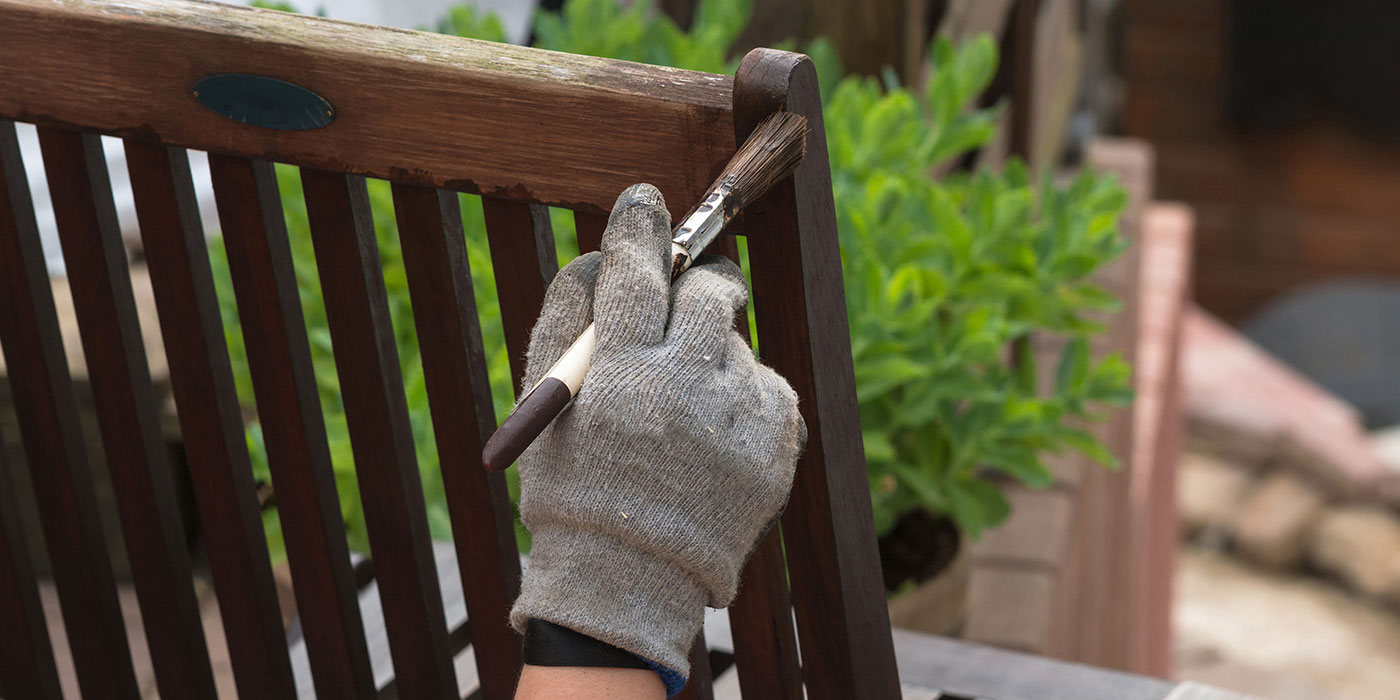
Sustainability is influencing design choices, with more homeowners restoring solid wood furniture and incorporating vintage pieces into their outdoor spaces.
This trend adds character while reducing waste, creating a backyard that feels personal, layered, and lived-in rather than overly polished or brand-new. Weathered finishes, patina and natural imperfections are being embraced as design features rather than flaws. It also opens the door to more creative one-of-a-kind combinations, such as mixing older pieces with modern elements to create a space that reflects individual style rather than a catalogue look.
The result is a backyard that tells a story: one that feels authentic, sustainable and uniquely yours.
Timber Tip
Look for well-built pieces made from solid materials that can be refinished or repaired rather than replaced. Sanding, staining or sealing can completely transform a piece. Even small updates, like new hardware or a fresh finish, can go a long way in extending its life while maintaining the original character.
8. Premium Bunkies and Sheds
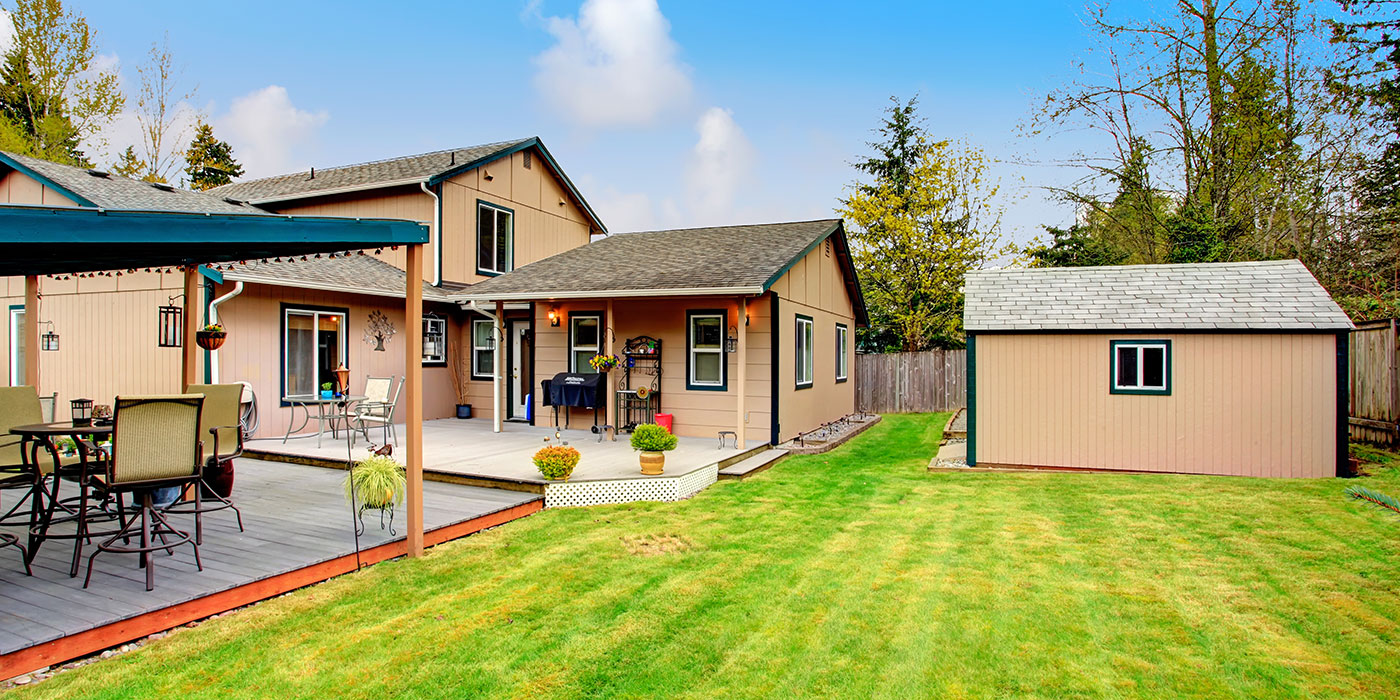
The backyard shed has evolved into something much more versatile. Today’s designs are being built with the same level of craftsmanship and attention to detail as the main home.
These structures are now used as home offices, creative studios, guest spaces or poolside retreats, adding both function and value to the property. They can help reduce the need for costly interior renovations by expanding usable living space outdoors. With better insulation, improved windows and more refined exterior finishes, modern bunkies and sheds are designed to feel like a true extension of the home rather than a separate utility space.
Timber Tip
Design outbuildings to complement your home’s exterior by aligning rooflines, trim details and material choices. Matching or coordinating finishes creates a cohesive look across the entire property, improving visual appeal and enhancing perceived value.
9. Hot Tub, Spa and Plunge Pool Surrounds
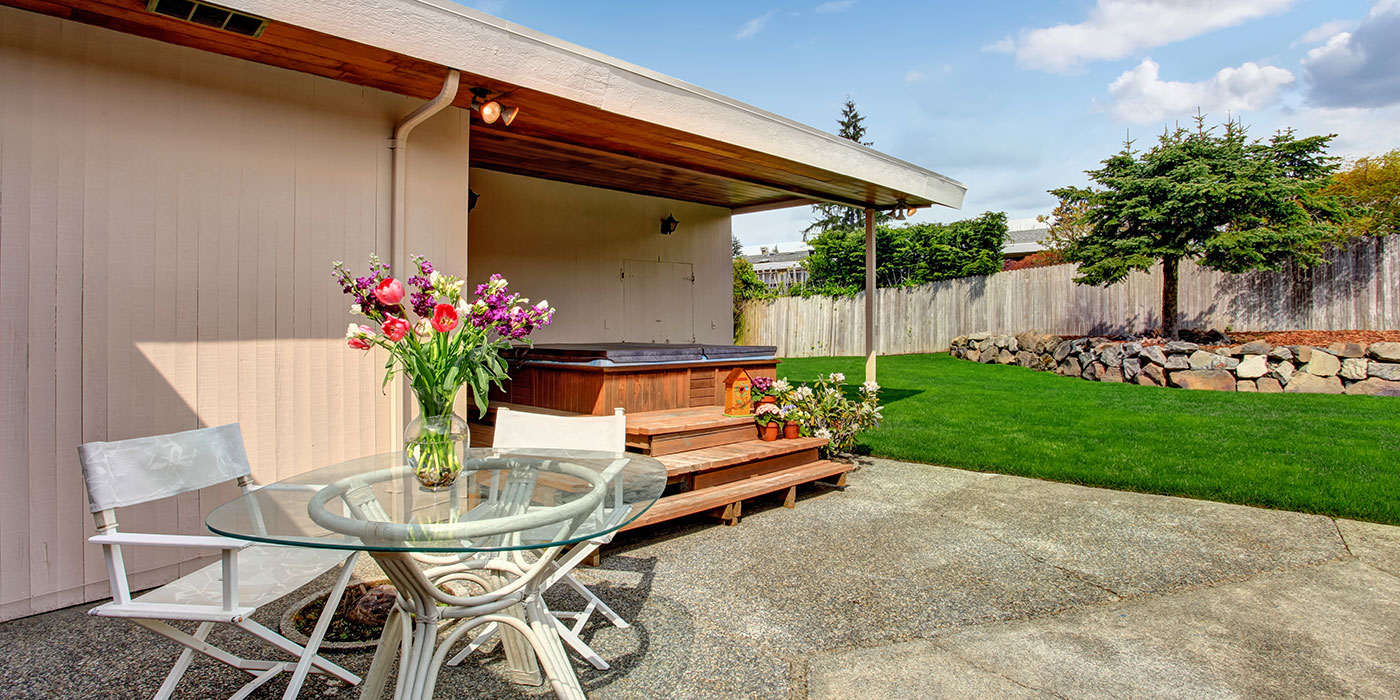
As lot sizes become more compact, smaller water features are becoming more popular. Plunge pools and “spools” (“spa pools”) offer a space-efficient way to cool off, while hot tubs provide a way to relax and add a touch of luxury to your backyard.
The focus is shifting beyond the water feature itself to the surrounding design. Custom decking, built-in seating, privacy screens, and thoughtful landscaping all contribute to transforming these compact pools into immersive, resort-like spaces. With the right design, even a small footprint can feel expansive, elevated and intentionally designed.
Timber Tip
Prioritize the surrounding space just as much as the feature itself. Thoughtful design, such as lighting, material transitions, and layered textures, is also used to enhance the atmosphere, helping create a space that feels just as inviting at night as during the day.
10. High-Performance Longevity
There’s a growing focus on materials and designs that can withstand Canada’s demanding climate. Homeowners are moving away from high-maintenance options and investing in durable, high-performance solutions that can handle freeze-thaw cycles, moisture, UV exposure and seasonal temperature swings.
This shift reflects a broader mindset: prioritizing long-term value, durability and ease of maintenance over short-term cost savings. The goal is to create outdoor spaces that look great and perform well year after year with minimal upkeep.
This trend is influencing everything from decking and fencing to structural components, with stronger emphasis on reliability, stability and lasting visual appeal. The result is a smarter approach to outdoor living, one that’s built to endure and designed to last.
Timber Tip
Consider long-term performance when planning your project by choosing materials designed for durability in your specific climate. Investing in quality upfront can significantly reduce maintenance, repair, and replacement costs over time, while helping your outdoor space maintain its appearance and structural integrity for years to come.
As these trends show, outdoor living in Canada is evolving quickly. Backyards are no longer just an afterthought, but are becoming fully realized extensions of the home.
With the right design approach, your outdoor space can offer comfort, functionality and lasting value for years to come!